

NASA’s Artemis II En Route to Earth Following Historic Lunar Flyby
As of April 8, 2026, NASA’s Artemis II mission is entering its final phase, with the crew preparing for their return to Earth after a landmark 10-day lunar flyby. This mission, which launched on April 1, 2026, represents the first time humans have ventured around the Moon in over five decades, serving as a critical validation of the deep space systems required for future lunar landings and eventual crewed missions to Mars.
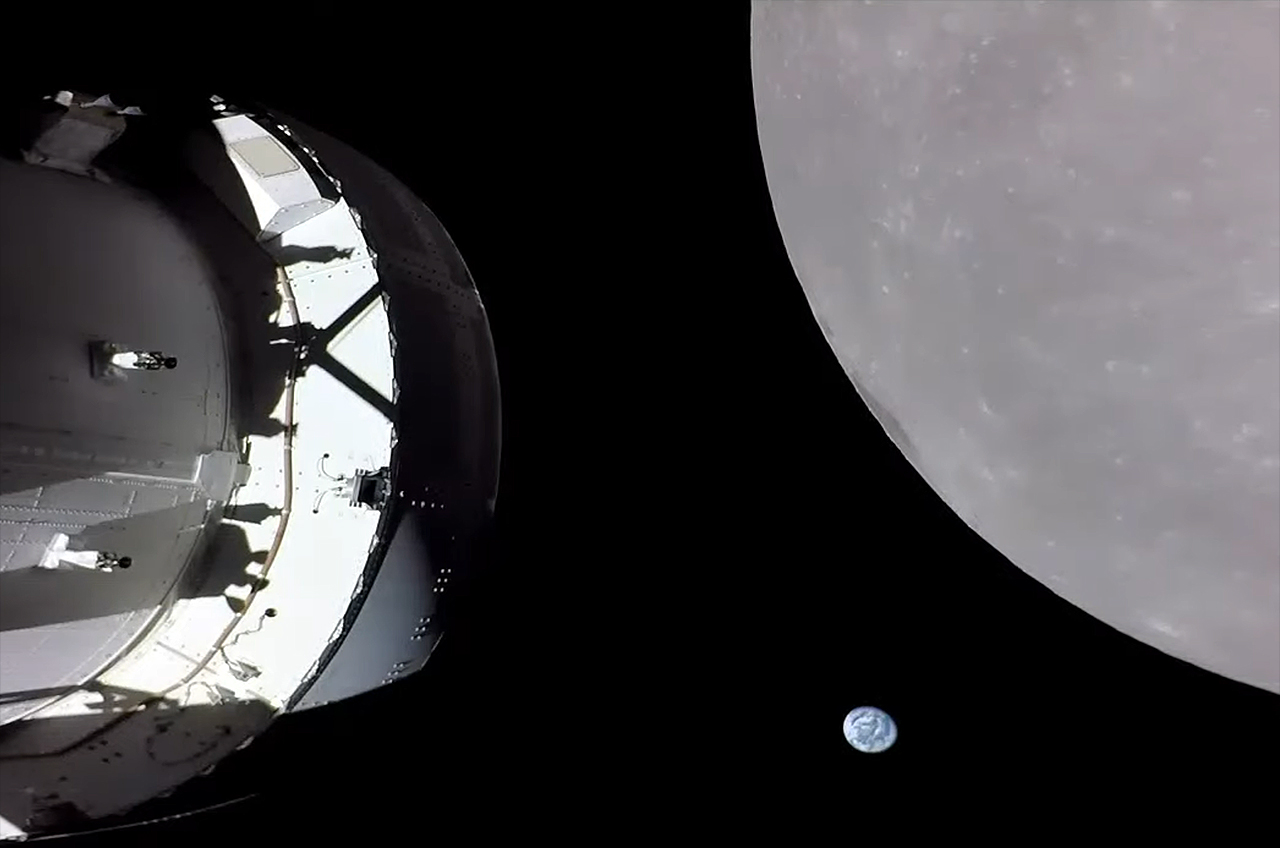
A pivotal moment in the return journey occurred when the spacecraft performed a necessary burn of its thrusters to correct the route back to Earth. This maneuver is part of a complex sequence of events that dictate the protocols before, during, and after the astronauts’ reentry into Earth’s atmosphere.
The mission has already yielded striking visual and scientific data. While orbiting the Moon, the crew reported witnessing “points of light,” which were meteorite impacts on the lunar surface. From a technological standpoint, the mission has highlighted the evolving capabilities of consumer hardware in extreme environments; photos of Earth captured with an iPhone 17 Pro Max have impressed observers with their visual quality, showcasing the potential for advanced mobile imaging in space exploration.
The mission has not been without curiosity. During a NASA live broadcast, viewers noted something “strange” appearing to fly through space, adding a layer of intrigue to the public’s real-time monitoring of the flight.
At the heart of this operation is the Space Launch System (SLS) rocket and the Orion spacecraft, designed specifically to sustain a crew of four during deep space transit. By testing these systems in a crewed environment, NASA is establishing the necessary infrastructure for a long-term human presence on the Moon. This successful flyby signals a major leap in aerospace engineering, bridging the gap between low-Earth orbit operations and the ambitious goal of reaching Mars.
