
NASA’s Artemis II Crew Captures Historic Views of Moon’s Far Side During First Crewed Lunar Flyby
In a landmark achievement for deep space exploration, NASA’s Artemis II mission has successfully completed its lunar flyby, marking the first time humans have ventured around the Moon in 50 years. Launched on April 1, 2026, from Kennedy Space Center’s LC-39B, the mission serves as a critical test of the systems required for long-term lunar habitation and eventual crewed missions to Mars.
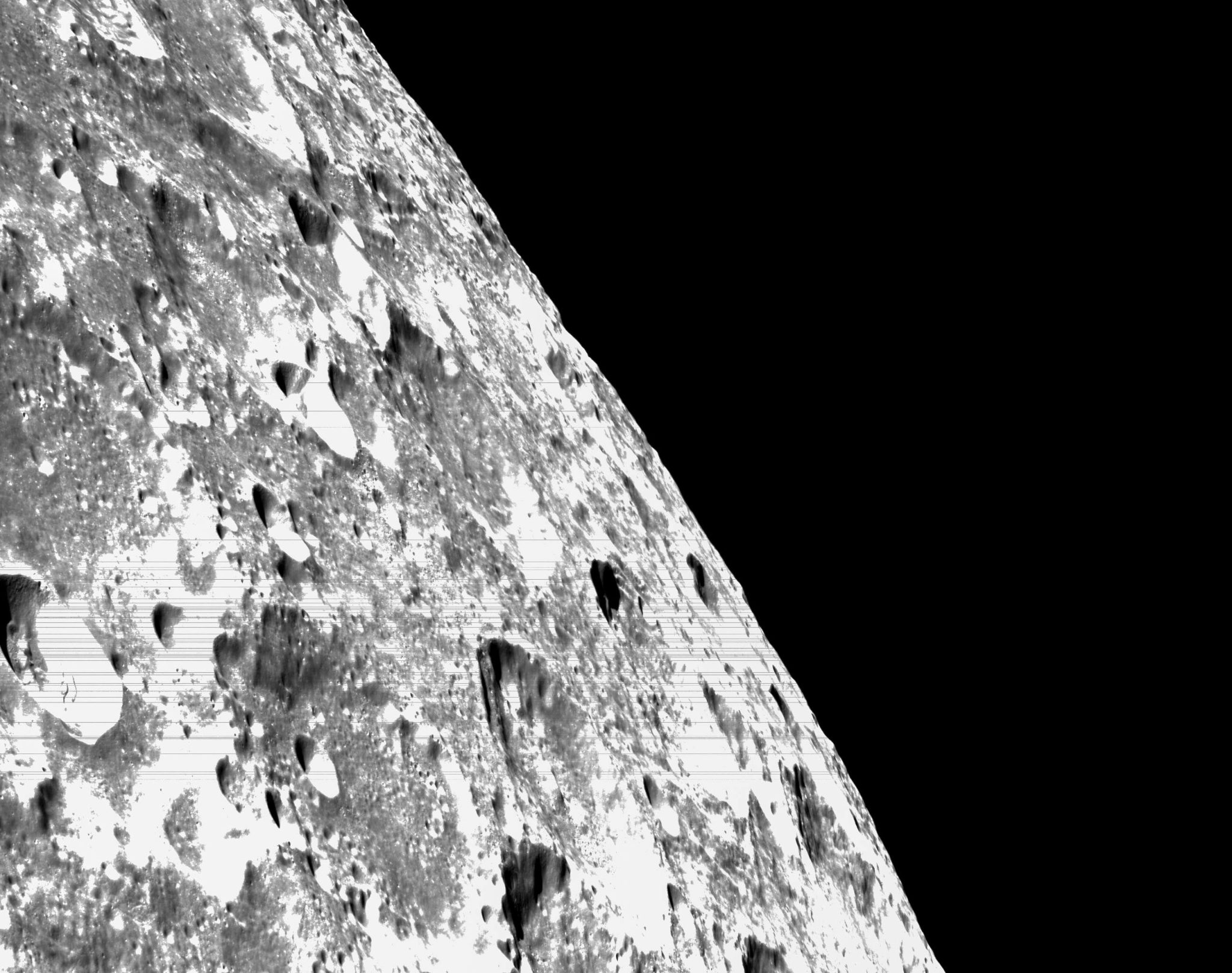
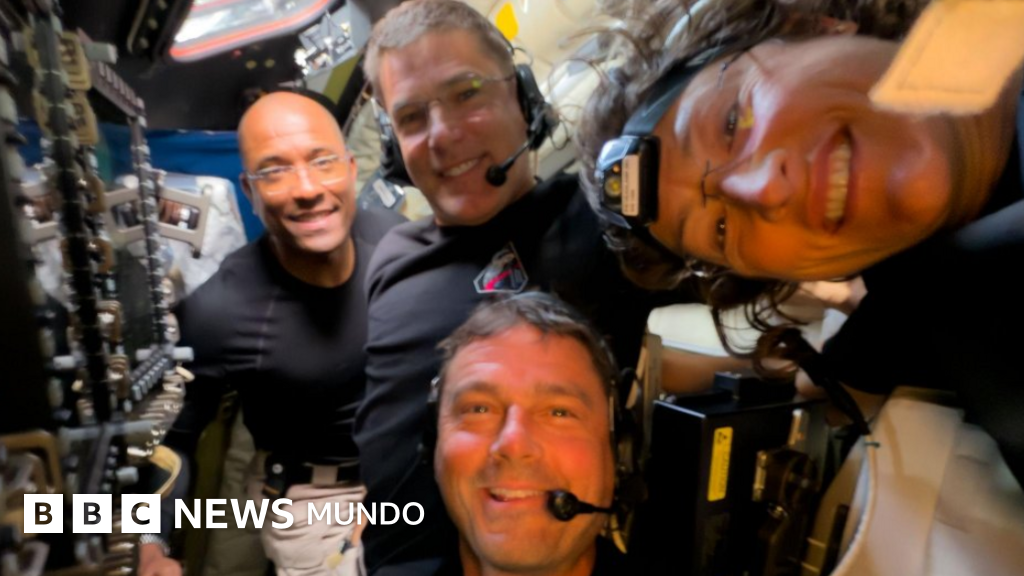
The four-person crew—comprising Reid Wiseman, Victor Glover, Christina Koch, and Jeremy Hansen—traveled aboard the Orion spacecraft, propelled by the massive Space Launch System (SLS) rocket. During the mission, the crew saw things that no human has ever seen as they navigated the far side of the Moon. This perspective allowed the crew to capture unprecedented images of the lunar surface, which NASA has since beamed back to Earth. This visual data is essential for mapping the lunar terrain and preparing for future surface landings.
The mission’s technical milestones are significant; the crew eclipsed the record for the farthest human spaceflight, passing within 4,067 miles of the lunar surface. The flight demonstrates the capabilities of the Orion spacecraft, developed by Lockheed Martin and Airbus, which is designed to sustain crews in the harsh environment of deep space.
Still, the mission has not been without its practical challenges. Whereas the onboard toilet is reported to be “operational,” astronauts have been utilizing “alternative methods” for waste management. Such real-world operational hurdles provide NASA with vital data to refine life-support systems for longer missions.
As of Tuesday, April 7, 2026, the mission is on Flight Day 7. The crew has already wrapped up their historic lunar flyby and made a long-distance call to Earth as they initiate their return journey. NASA is scheduled to host a media call with the crew during their transit home.
The Artemis II mission is expected to conclude with a splashdown in the Pacific Ocean on April 11, 2026. This successful flyby not only validates the SLS and Orion architecture but also reinforces the global effort to return humans to the lunar surface, as highlighted by experts who have analyzed the mission’s broader impact on space exploration.
By pushing the boundaries of human endurance and technology, Artemis II signals a new era of lunar exploration, bridging the gap between the Apollo era and a future where humanity establishes a permanent presence on the Moon and beyond. NASA has already shared the first photos of the Moon’s far side, offering the world a glimpse of the territory that will likely host future scientific discoveries.
