
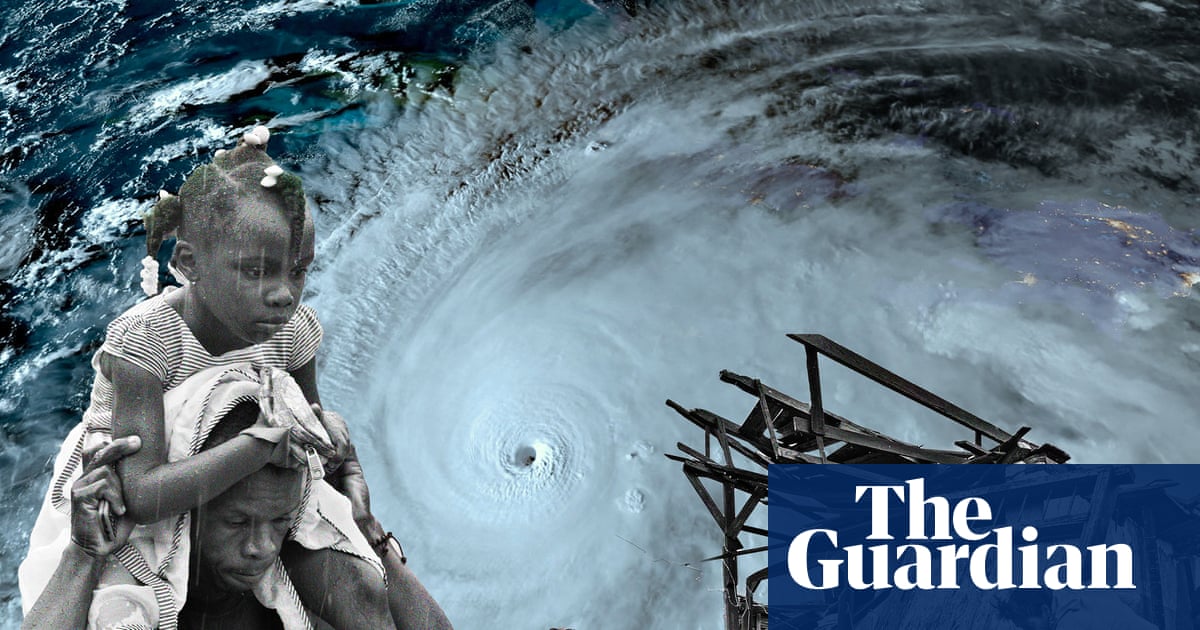
Hurricane Melissa Leaves Widespread Devastation Across the Caribbean
One week after making landfall, Hurricane Melissa continues to inflict significant damage across the Caribbean, with Jamaica experiencing the most severe impact from the record-breaking storm.
The scale of destruction is unprecedented, according to long-time residents. “This country has faced some difficult storms,” said a Caribbean correspondent, “but by all accounts this was different. I spoke to people in their 60s and they said to me, again and again, ‘I have never heard anything like this in my life’.” Reports indicate widespread damage to infrastructure and homes, particularly in southwestern Jamaica, where landslides and flooding have cut off communities. The storm’s intensity underscores the increasing vulnerability of island nations to extreme weather events.
The anticipation leading up to the hurricane was fraught with anxiety, despite relatively advanced warning due to the storm’s slow pace. Residents coped with the stress through dark humor shared on social media. The aftermath has revealed the extent of the loss, with some residents reporting entire structures have disappeared, “probably in the ocean.” The Caribbean region, responsible for only 1% of global greenhouse gas emissions, is disproportionately affected by climate change, a point highlighted by growing calls for reparations and increased support from industrial nations – a topic explored further by the United Nations Climate Change website.
Rebuilding efforts are already underway, bolstered by support from the Jamaican diaspora and fundraising initiatives led by celebrities like Shaggy. However, the psychological toll on communities, particularly children, is significant, and the looming threat of future hurricane seasons – which begin again on June 1 – weighs heavily on residents. The need to fortify communities against future disasters is paramount, and discussions are ongoing regarding long-term resilience strategies, including those detailed in reports from the World Bank’s climate change initiatives.
Officials are focusing on coordinating relief efforts and assessing the full extent of the damage, with a commitment to long-term reconstruction and climate adaptation strategies.
