
Lower Austria Governor Condemns Proposed Inheritance Tax as ‘Attack on Property’
A sharp political clash has erupted in Austria as Lower Austria Governor Johanna Mikl-Leitner issued a strong rebuke to Finance Minister Markus Marterbauer over his repeated suggestions to introduce an inheritance tax. Mikl-Leitner, a prominent figure in the ÖVP, characterized the proposal as a direct “attack on families, on property, and on life achievements,” urging the Finance Minister to cease creating uncertainty among the public.
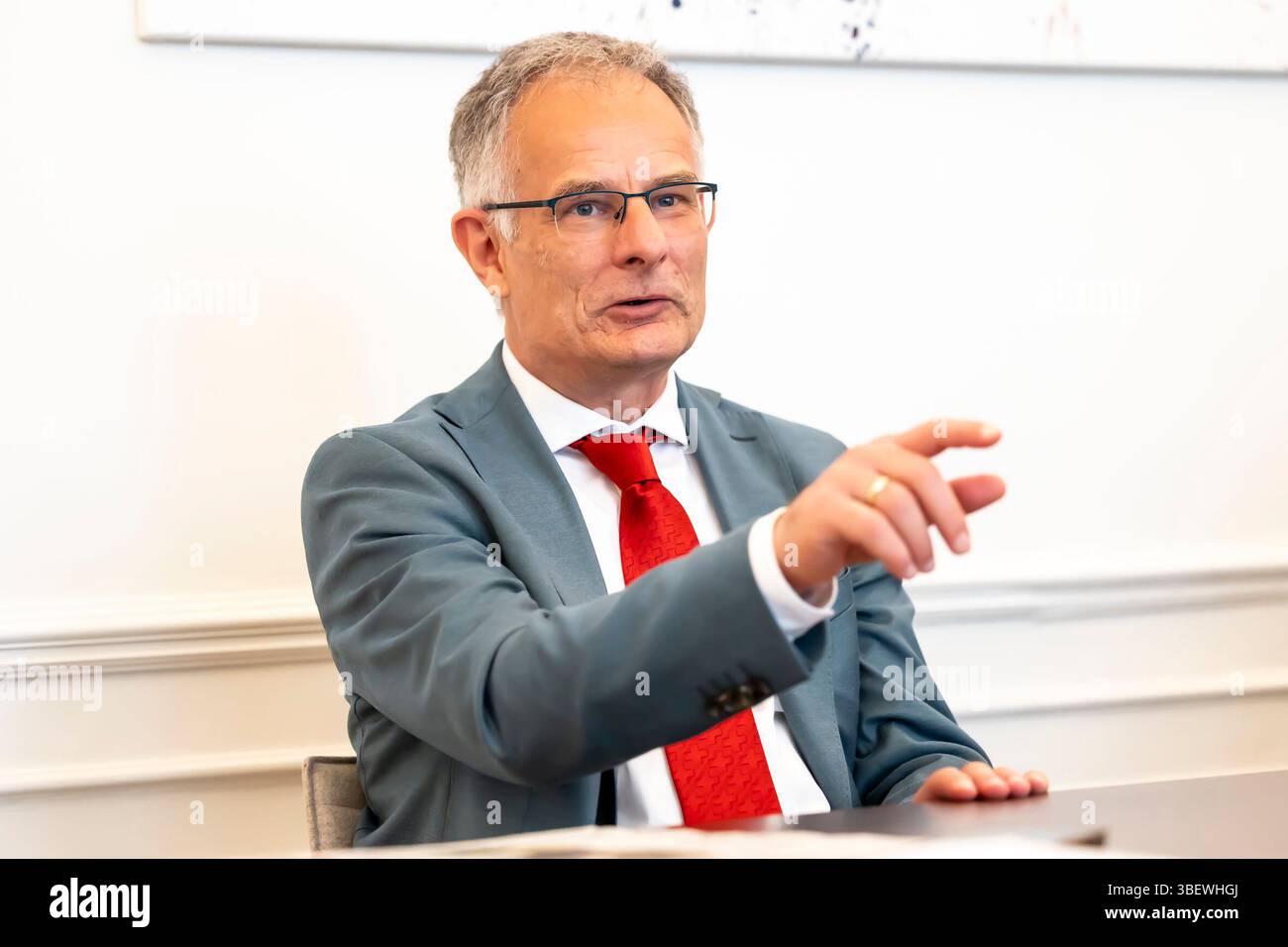
The confrontation comes as budget negotiations, colloquially known as “confessional talks,” began on Tuesday, April 7, 2026. These meetings involve the Finance Minister and various department heads to determine the upcoming budget. During the lead-up to these talks, Marterbauer, representing the SPÖ, has described the inheritance tax as “the most liberal idea one can imagine,” asserting that it is a matter of time before such a tax is implemented.
Mikl-Leitner dismissed the notion of modern levies, arguing that Austria is already a “high-tax country” with very few nations worldwide taking as much from their citizens as the Austrian state does. She criticized the Finance Minister’s rhetoric, stating that the state should not be treated as a “self-service shop” and that Marterbauer’s primary responsibility should be the responsible management of existing tax revenues.
Whereas Marterbauer has indicated that an inheritance tax is not part of the current government program and is unlikely to pass in the current legislative period due to a lack of coalition support, he remains confident it will arrive in the next one. In separate discussions, the Finance Minister similarly described a “sugar tax” as an “compelling idea.”
The Governor’s stance has garnered significant backing from the business community. Both the Federation of Austrian Industries (IV) and the Tyrol branch of the Economic Federation have voiced their support for Mikl-Leitner’s criticism. This political resistance stands in contrast to public sentiment, as a recent Kurier-OGM poll indicates broad public approval for the introduction of inheritance taxes.
The ongoing debate highlights a deep ideological divide within the government regarding wealth distribution and property rights. For those advocating for the change, inheritance and wealth taxes are viewed as necessary tools for economic stability, while opponents view them as an unjust penalty on accumulated life savings.
As budget discussions continue, the tension between the Finance Ministry and regional leadership underscores the difficulty of reaching a consensus on fiscal policy in a high-tax environment. The clash remains a focal point of political discourse, as seen in recent reports of Mikl-Leitner’s firm rejection of the tax and her calls for the Finance Minister to “stop” the debate.
The dispute over these potential taxes is further documented in reports from Lower Austrian news outlets and national media coverage.
