
Around 537 million people worldwide are affected by Diabetes, with approximately 600,000 cases in Austria alone. An estimated additional 300,000 people in the country have prediabetes, the precursor to the chronic disease. This widespread prevalence highlights the urgent need for preventative measures and effective management strategies.
Long-term metabolic dysfunction, such as damage to blood vessel walls and accelerated atherosclerosis, increases the risk of cardiovascular disease. Recognizing this connection is crucial for both patients and healthcare providers.
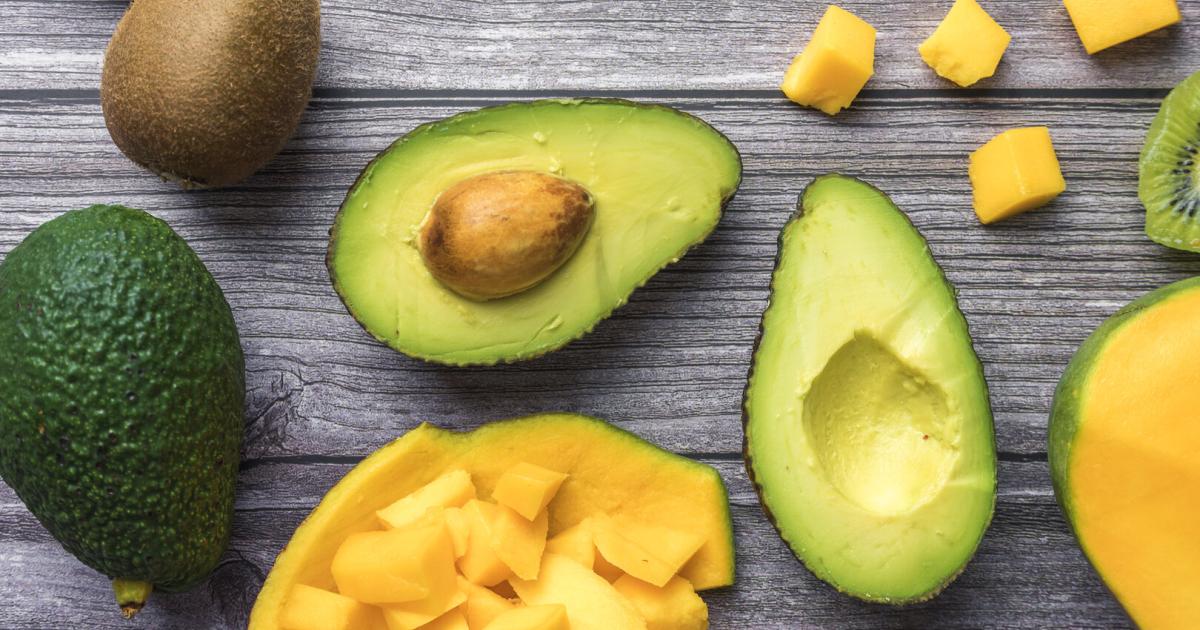
Now, researchers report that a specific fruit combination may have a protective effect on blood vessels. Their findings, published in the Journal of the American Heart Association, suggest that combining Avocado and Mango could support blood vessel function and heart health in adults with prediabetes.
Daily Avocado and Half a Mango Benefit Blood Vessels
Adults with prediabetes who consumed one avocado and half a mango daily for eight weeks experienced improvements in blood vessel function and diastolic blood pressure – two key indicators of cardiovascular health. These improvements suggest a potential dietary approach to mitigating cardiovascular risk.
A control group followed a similar diet, but avocado and mango were replaced with comparable amounts of carbohydrate-rich foods. Participants in the avocado-mango diet showed significant improvements in blood vessel function, which supports healthy circulation, as well as diastolic blood pressure, a vital factor for long-term heart health, compared to the control group.
Notably, these positive effects occurred without changes in calorie intake or body weight, indicating that nutrient-rich fruits like avocados and mangoes may support cardiovascular health without requiring major lifestyle changes. This finding could make dietary adjustments more accessible and sustainable for individuals at risk.
The study involved 82 generally healthy adults between the ages of 25 and 60 who had prediabetes, were overweight or obese, were non-smokers, did not follow a specific diet before the study, and had no severe chronic illnesses.
Small, Nutrient-Rich Additions
“This study underscores the effectiveness of diet-focused strategies to lower the risk of cardiovascular disease, particularly in vulnerable populations,” said Britt Burton-Freeman, a nutritional scientist at the Illinois Institute of Technology, in a statement. “Small, nutrient-rich additions can promote heart health without requiring strict rules or major dietary overhauls.”
The avocado-mango group also showed increased intake of fiber, vitamin C, and heart-healthy monounsaturated fats. Selected markers of kidney function also improved. No significant differences were observed in cholesterol, blood sugar, or inflammatory markers.
The research was funded by the National Mango Board and the Hass Avocado Board. The organizations stated they had no influence on the study design or results.
