
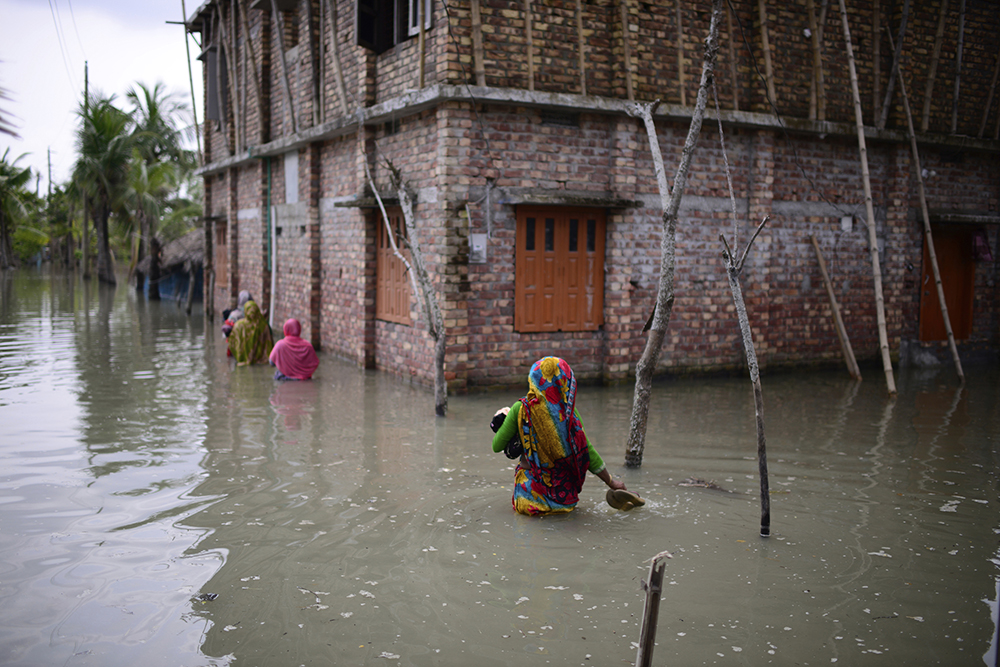
Bangladesh is among the nations most vulnerable to the effects of climate change, as its deltaic landscape is prone to cyclones, and flooding. Nearly half of the country’s population lives within ten meters of sea level, in coastal areas particularly susceptible to erosion and rising waters. Despite these challenges, sustainable housing solutions remain largely dependent on donor funding.
Between 2008 and 2024, the Internal Displacement Monitoring Centre (IDMC) recorded 123 disaster events in Bangladesh, resulting in the displacement of approximately 11.3 million people due to preemptive evacuations during cyclones. Even as many of these displacements are short-lived, disasters continue to leave tens of thousands of people without immediate prospects of returning home, highlighting the urgent necessitate for safe and sustainable housing.
The country’s vulnerability stems from its low-lying terrain and extensive river network, which contribute to recurring floods, tidal surges, river erosion, and frequent cyclones, as detailed in recent reports. Safe housing is therefore not merely an infrastructural demand, but a critical survival need.
“Sustainable and safe housing is the first line of defense in disaster risk reduction,” says Mohammad Abu Sadeque, executive director of the Centre for Housing and Building Research (HBRC). Sadeque notes that conventional housing, particularly in rural and low-income areas, often lacks the structural integrity to withstand cyclones, tidal surges, riverbank erosion, flooding, salinity intrusion, earthquakes, and extreme heat.
Experts are recommending separate zonal building codes tailored to areas prone to specific climatic events. Architectural models promoting sustainable construction materials are also emerging, though their adoption remains slow. The situation is particularly pressing given that on May 26, 2024, Cyclone ‘Remal’ made landfall near the Bangladesh-India border, causing flooding of between 5 and 8 feet in coastal districts and affecting 4.6 million people, according to UNICEF.
Humanitarian partners have been working to mitigate the damage from cyclones and North-Eastern floods through cash assistance, food, hygiene kits, and animal feed, reaching over 4 million people in at-risk areas with early warning messages, as outlined in a recent humanitarian response plan. The development underscores the ongoing challenges faced by Bangladesh in adapting to a changing climate and protecting its population.
