
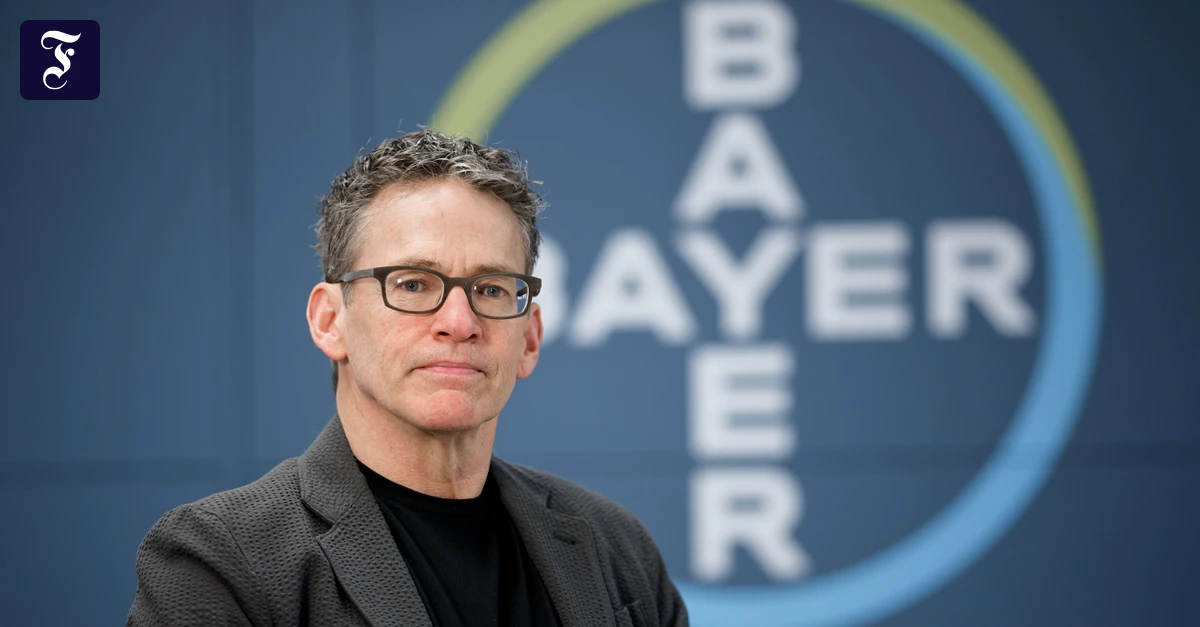
Bayer is bracing for a challenging 2026, as the pharmaceutical and agrochemical giant reported a multi-billion euro loss for the previous year and anticipates significant ongoing legal costs. CEO Bill Anderson stated during a Wednesday conference call that the “main burden of the litigation” will weigh on the company throughout the current business year. Although Bayer is making “clear progress” with its restructuring efforts, Anderson cautioned, “we are still a long way from the goal. There is still a lot to do.”
The company’s financial results revealed underlying challenges, with a loss of €3.62 billion, compared to a loss of €2.55 billion in the prior-year period. This was largely due to expenses related to legal proceedings and settlements surrounding glyphosate, the active ingredient in its Roundup weedkiller, in the United States. Bayer expects to spend €5 billion on legal cases this year, which will likely result in a free cash flow of between €1.5 billion and €2.5 billion.
Debt Levels Expected to Rise
Bayer had recently managed to reduce its debt to under €30 billion in 2025, but now anticipates a net financial debt between €32 and €33 billion for the current year. Currency effects are similarly impacting the business, particularly given the company’s significant revenue from its agricultural division in the United States. Bayer projects revenue of between €44 and €46 billion for 2026, a decrease from approximately €45.58 billion in 2025 due to negative currency impacts.
Earnings before interest, taxes, and amortization (EBITDA) are expected to be between €9.1 and €9.6 billion, slightly below analyst expectations. The company reported adjusted EBITDA of €9.67 billion for the previous fiscal year, a decrease of 4.5%. Shares of Bayer were among the weakest performers in the DAX, falling around 3% during trading on Wednesday.
Despite these challenges, Anderson expressed confidence on Wednesday, particularly regarding progress in resolving U.S. Litigation related to Roundup, which has cost Bayer more than €10 billion since its 2018 acquisition of Monsanto. The company recently reached another settlement to resolve a significant portion of the 67,000 current and potential future claims. Bayer plans to pay €7.25 billion over 21 years. On Wednesday evening, the plan received preliminary approval from a judge at the Circuit Court in St. Louis, Missouri. Bayer welcomed the decision, stating, “This is the first important step for the implementation of the settlement.” Claimants now have 90 days to reject the settlement agreement or raise objections in court.
Supreme Court Decision Pending
The company is also awaiting a decision from the U.S. Supreme Court, which is considering conflicting rulings on whether Bayer should have been required to include cancer warnings on Roundup products. Bayer maintains the safety of its product, which has been approved for use in more than 50 countries, including the United States and Germany, following thorough reviews “that aren’t about clicks and don’t go viral,” Anderson said Wednesday.
Anderson characterized the litigation industry in the U.S. As a more than $600 billion business that costs U.S. Households over $4,000 annually. He stated We see supported by risk capital investors who benefit from tax-free returns, arguing the glyphosate dispute highlights flaws in the legal system. “So, when the debate comes up again to bash the big corporations, Try to also ask who the big corporations are and who ultimately bears the costs,” Anderson said.
Markus Manns, an analyst at Union Investment, noted on Wednesday that “a lot of uncertainties” remain for Bayer, although the company is on the right track. “With a victory before the Supreme Court and approval of the settlement, Bayer would likely have closed the chapter on the glyphosate lawsuits.”
Glyphosate Sales Expected to Decline
Glyphosate-based products are important to Bayer, generating around €2.5 billion in revenue – the entire agricultural division generated nearly €21.6 billion in revenue in 2025. Higher prices and increased sales in North America largely offset lower volumes and prices in Latin America. Bayer expects glyphosate sales to decline by 2 to 6 percent in 2026 compared to the previous year, due to recently lowered tariffs on Chinese imports into the U.S.
Corn seed and traits contribute the most to the agricultural division, with revenues of €7.15 billion. Historically large acreage in North America and strong business supported this, and the company expects worldwide growth in the low single-digit percentage range for 2026. In the pharmaceutical division, Bayer anticipates currency-adjusted growth of 8 percent, driven primarily by new products. The business was also driven by new launches in 2025, which more than offset the revenue decline from earlier blockbuster drugs losing patent protection. Prostate cancer drug Nubeqa, with revenues of around €2.4 billion, has now surpassed blood thinner Xarelto. Nubeqa grew by more than 60 percent, while Xarelto’s revenue declined by a further third.
Bayer is also making good progress with the corporate restructuring initiated two and a half years ago, which the company expects to generate €2 billion in savings by the complete of the year. The company cut 4,700 positions in 2025 and now has half as many hierarchical levels as before the restructuring and two-thirds fewer management positions. The Leverkusen-based company employs 88,000 people. Anderson does not currently see changing the structure with its three divisions, such as spinning off businesses as some investors have suggested, as a priority. “We still have so much to do, we are not distracted by talking about our structure,” said the Bayer CEO. It is not fundamentally excluded, but is not an issue at the moment. The situation in the Middle East is also not currently impacting the business: Bayer is not dependent on its supply chain.
