It acts directly on blood vessels and blood pressure.
Often called a “silent killer,” high blood pressure, or hypertension, is characterized by persistently elevated blood pressure in the arteries. Over time, the consequences can be severe, including heart attack, stroke, and kidney failure. Maintaining good cardiovascular health requires a healthy lifestyle, and that includes diet. Surprisingly, a very common vegetable possesses antihypertensive benefits. It’s often overlooked…
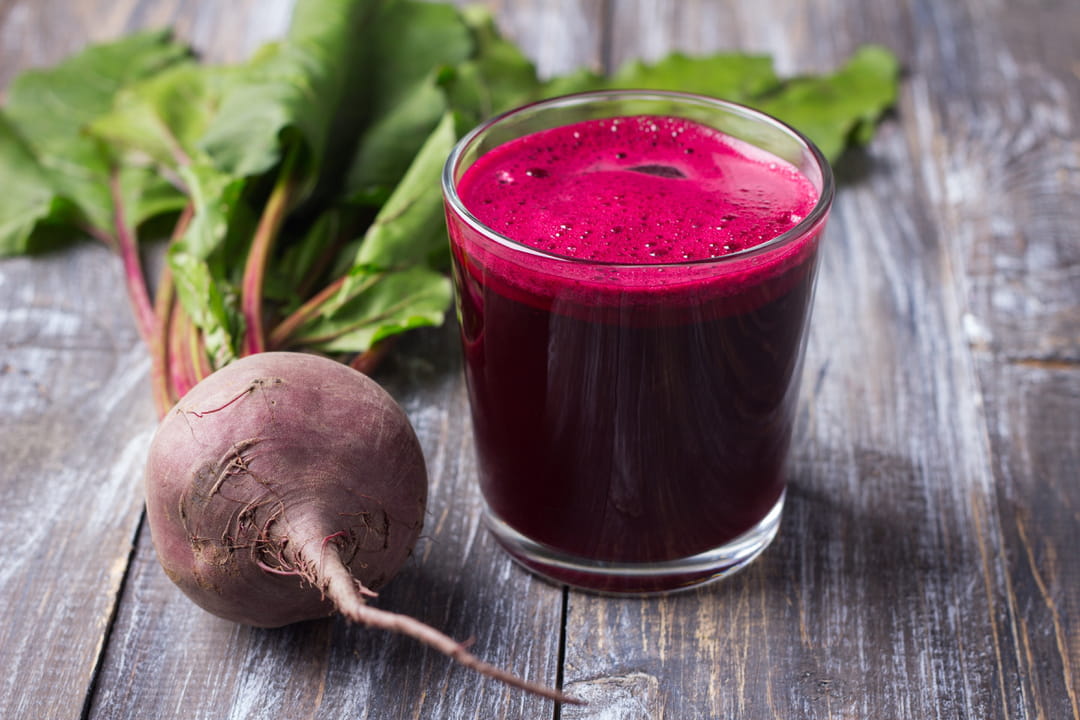
Ideally, it should be consumed as juice. It then contains “nitrates that our body transforms into nitric oxide,” explains Dr. Amir Khan, a British physician. These nitrates facilitate to “dilate blood vessels, which lowers blood pressure and preserves the health of the cells inside the vessels,” he continues in a video. Researchers have studied the effects of this vegetable. In a study published in the journal “Nutrition, Metabolism and Cardiovascular Diseases”, they compared taking its juice versus a placebo in nearly 350 hypertensive patients. Their results confirmed a significant reduction in systolic blood pressure of -5.31 mmHg in hypertensive individuals who drank the juice. Even better, “the effect on blood pressure is significant for up to 90 days of intervention,” the researchers specify.
The vegetable in question is the beetroot. Nutritionally, it has a particularly interesting profile for cardiovascular health. It is naturally rich in potassium (about 300 mg per 100 g), a mineral that helps counterbalance the effects of sodium on blood pressure. It is also a good source of folates (vitamin B9), essential for the proper functioning of the cardiovascular system, and provides fiber as well as betalains, powerful antioxidants responsible for its characteristic red color.
“All of this, to manage your blood pressure, is really not bad!” Dr. Khan reacted. And the good news is that the juice reduces “blood pressure without signs of developing tolerance,” scientists add. In other words, it continues to be effective even if the body gets used to it.
Beetroot is accessible, inexpensive, and flavorful. It has what it takes to become a daily ally in taking care of our hearts. Ideally, the doctor recommends drinking “about 250 ml per day,” or a large glass of beetroot juice. Still, “if you are diabetic, it may raise your blood sugar”. He also advises “reducing salt intake” and reminds us that “eating more bananas is beneficial for blood pressure”. This nutritional advice is a complement to medical treatment but cannot replace it.
High blood pressure is a major public health concern, affecting millions worldwide and significantly increasing the risk of serious cardiovascular events. This research highlights a simple, dietary approach that may help individuals manage their blood pressure alongside conventional treatments.