

How Incorporating Specific Seeds Into Your Diet May Support Stabilize Blood Glucose
Maintaining stable blood sugar levels is a cornerstone of metabolic health and recent findings suggest that certain natural seeds can play a pivotal role in this process. By leveraging a combination of fiber, protein, and healthy fats, these seeds help the body maintain more consistent glucose levels and reduce the volatility often seen after eating.
According to reports from Verywell Health, integrating these nutrient-dense seeds into a daily diet can significantly minimize glucose fluctuations, particularly following meals. This mechanism works by slowing down the absorption of carbohydrates, which prevents the sudden spikes in blood sugar that can be taxing on the body over time.
The Role of Chia and Flaxseeds in Glucose Management
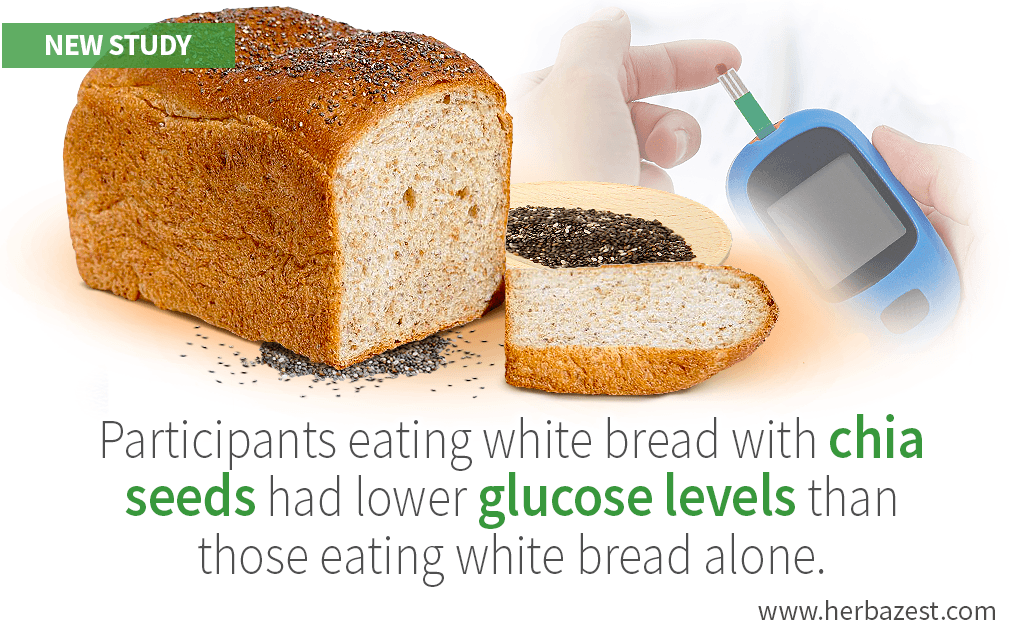
Chia seeds are highlighted for their unique ability to absorb liquids within the digestive tract, forming a gel-like substance. This process slows the overall pace of digestion, which not only helps limit the rise of blood sugar after consumption but also extends the feeling of satiety. To maximize these benefits, chia seeds can be easily added to salads, oatmeal, or yogurt as part of a balanced meal plan.
Similarly, flaxseeds provide a high concentration of fiber and antioxidant plant compounds. Some studies indicate that flaxseeds may improve insulin sensitivity and potentially lower the risk of developing type 2 diabetes. For optimal health benefits, it is recommended to grind flaxseeds, as this process makes it easier for the body to absorb their essential nutrients.
The Impact of Pumpkin Seeds on Post-Meal Spikes
Pumpkin seeds offer a distinct nutritional profile, providing a mix of unsaturated fats, zinc, and magnesium—elements closely linked to the regulation of blood sugar. Research suggests that consuming approximately 56 grams of pumpkin seeds when eating a meal rich in carbohydrates may help reduce sharp increases in glucose levels.
A Comprehensive Approach to Wellness
While the addition of these seeds can offer significant advantages for glucose control, health experts emphasize that they are not a standalone solution. Instead, these seeds should be viewed as part of a comprehensive healthy strategy and a balanced daily diet.
The ability to manage blood sugar through dietary adjustments underscores the importance of nutrient density in preventing chronic metabolic issues. By incorporating these natural options into baked goods, hot dishes, or raw snacks, individuals can better support their long-term endocrine health.
