

Magnesium Citrate: A Key Mineral for Muscle Recovery, Bone Health, and Metabolic Support
Magnesium is emerging as a critical mineral for those battling persistent physical exhaustion and seeking to optimize their metabolic health. According to specialists from the University of Development in Chile, this nutrient is essential for improving intestinal absorption, boosting muscular energy, and facilitating recovery after intense physical exertion.
The mineral is involved in more than 300 enzymatic processes within the human body. Because it plays such a fundamental role in maintaining systemic health, understanding which form of the supplement to use is vital for achieving specific wellness goals.
The Role of Magnesium in the Body
Nephrologist Gabriel Lapman explains that magnesium is essential for the transmission of nerve signals, the regulation of blood pressure, and muscle contraction. Beyond these functions, This proves instrumental in producing proteins and energy, as well as controlling blood glucose levels. When combined with vitamin D and calcium, magnesium also contributes significantly to the formation of bones.
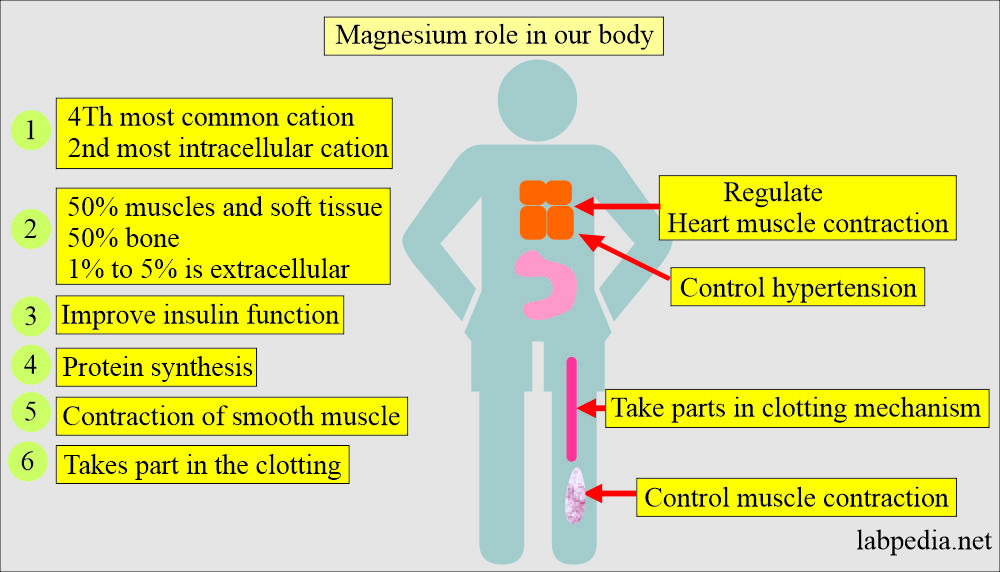
For athletes and active individuals, the mineral is particularly valuable for its ability to repair muscle tissues following intense effort. It helps relax muscle fibers and optimizes how the body extracts energy from food, which can help reduce the physical stress associated with accumulated fatigue.
Why Deficiencies Occur
Despite its importance, many people suffer from a nutritional deficit of magnesium. Dr. Lapman notes that this is often linked to diets heavy in ultra-processed foods, which are typically laden with additives but lack essential nutrients. However, even those with a balanced diet may experience deficiencies.
Certain health conditions and medications can further hinder the body’s ability to absorb the mineral. For instance, digestive issues such as celiac disease can impair absorption, and the use of antibiotics may also affect how the body incorporates magnesium.
Common symptoms of a magnesium deficiency include fatigue and muscle cramps, among other disorders.
Understanding Magnesium Citrate
Among the various available forms of the supplement, magnesium citrate is frequently highlighted for its efficacy. According to the U.S. National Library of Medicine, this specific compound possesses a laxative effect and is commonly used for the short-term treatment of constipation. The effects typically manifest between 30 minutes and six hours after ingestion.
Beyond digestive health, this form of magnesium is noted for its high absorption rate in the digestive system, making it an effective tool for combating exhaustion and supporting weight reduction. It aids the expulsion of waste and helps reduce abdominal inflammation, which can help normalize the metabolic rate for individuals who struggle to process sugars, and fats.
Safety and Professional Guidance
While magnesium offers numerous benefits for the nervous system, bones, and muscles, health authorities emphasize the importance of professional supervision. It is recommended that magnesium citrate not be used for more than one week without medical oversight.
Excessive consumption of the supplement can lead to adverse effects, including:
- Nausea
- Dizziness
- Somnolence (sleepiness)
- Slow heart rate
Given the variety of chemical compounds available on the market, selecting the correct type of magnesium is essential to ensure the supplement supports the intended metabolic functions and physical performance without risking toxicity.
