
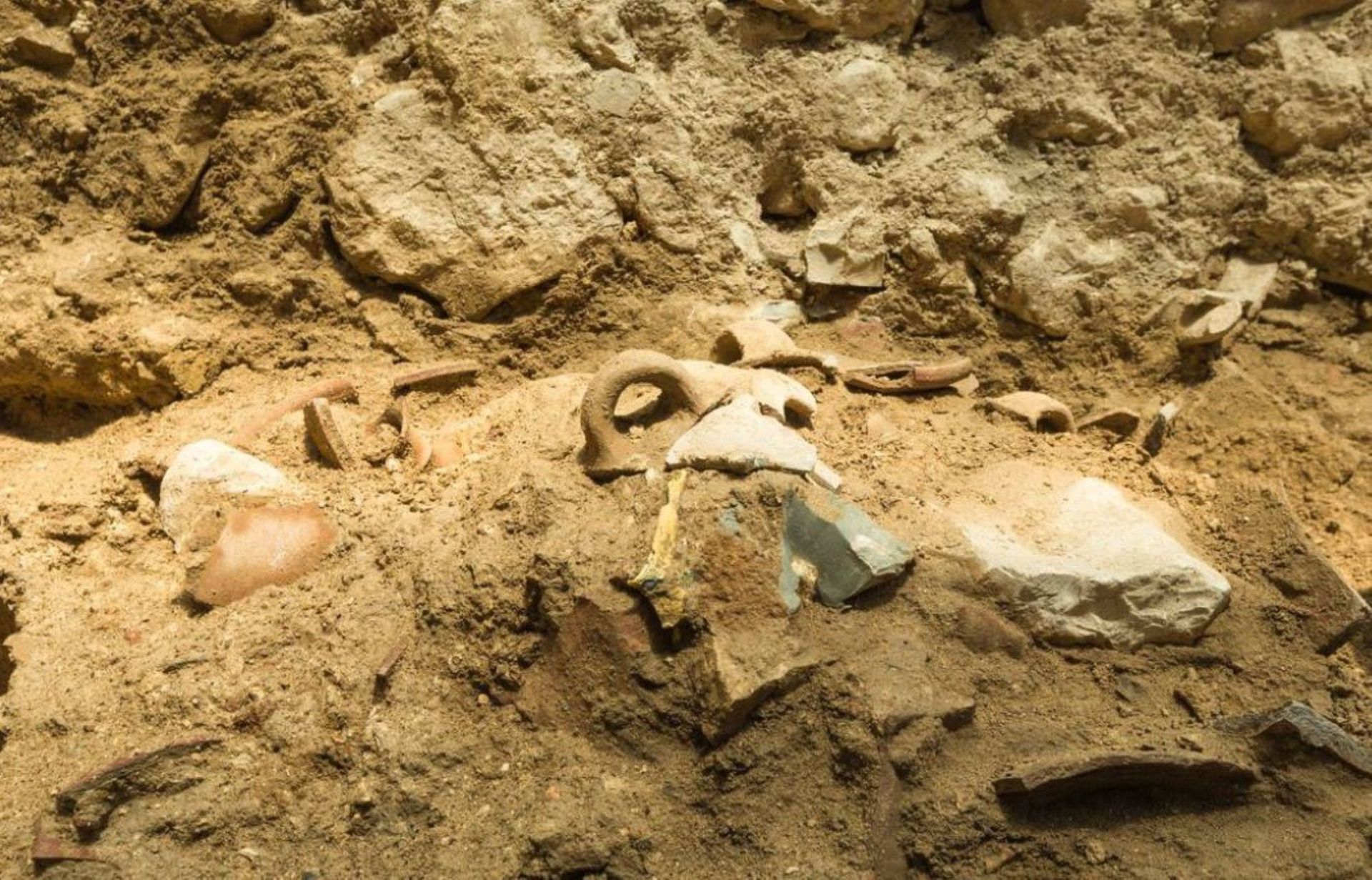
Archaeologists have uncovered evidence of a significant earthquake that occurred in Jerusalem approximately 2,800 years ago, potentially corroborating biblical accounts of a disaster during the reign of King Uzziah. The discovery, made in the City of David, reveals a distinct layer of destruction dating back to the 8th century BCE.
Researchers at the Israel Antiquities Authority unearthed shattered pottery – including bowls and kitchen utensils – amidst collapsed walls within the national park. Notably, the team found no traces of fire, leading them to investigate alternative causes for the widespread damage. The findings align with descriptions found in the Book of Zechariah (14:5), which references a period of upheaval during the time of King Uzziah (circa 791–739 BCE): “Then you will flee as you fled before the earthquake in the days of Uzziah king of Judah.”
The archaeological team is analyzing the evidence to determine the precise nature of the event. This discovery adds weight to the historical basis of biblical narratives, suggesting that events described in religious texts may have roots in actual historical occurrences. Archaeologist Joe Uziel of the Israel Antiquities Authority discussed the findings with Live Science in 2021, further detailing the ongoing investigation.
Similar evidence of seismic activity from around the same period has been found in the broader region, supporting the hypothesis of a major earthquake impacting the southern Levant around 2800 years ago. The research highlights how archaeological discoveries can provide new perspectives on ancient events and potentially validate historical accounts. This type of interdisciplinary work – combining archaeology and textual analysis – is increasingly common as researchers leverage new technologies to understand the past.
The initial discovery was reported on December 21, 2025, by WP Tech, and further details were released on March 1, 2026, by WP Tech. Another report from WP Tech, published January 26, 2025, similarly covered the initial findings.
