

Algerian actress, singer, and comedian Biyouna has died in Algiers at age 73, marking a meaningful loss for the nation’s cultural landscape. Known for her decades-long career and rebellious humor, Biyouna-born Baya Bouzar-rose to fame in the 1970s and continued to captivate audiences through film, television, and music, even appearing as recently as 2023. Tributes are pouring in from across Algeria, including from President Abdelmadjid Tebboune, recognizing her lasting impact on Algerian cinema and performance.
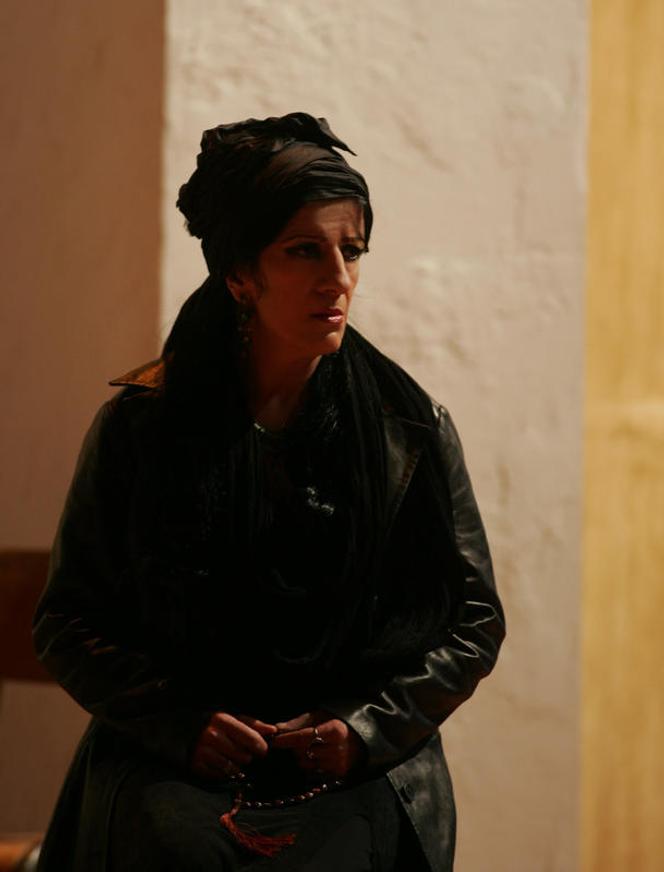
Biyouna, a beloved comedic star in Algeria, has died in Algiers on Tuesday, November 25, at the age of 73, following an illness, public television announced. Her passing marks the end of an era for Algerian entertainment, and tributes are pouring in from across the country.
Algerian President Abdelmadjid Tebboune expressed his “sadness after the loss of one of the celebrities of the cultural scene,” praising Biyouna’s contribution to Algerian cinema. The news underscores the significant impact she had on the nation’s artistic landscape.
Her most recent film role was in the French movie The Belleville Cop (2018), where she played Zohra, the mother of Omar Sy’s character. More recently, in 2023, she made a brief television appearance in the series *Dar Lefchouch*, portraying a psychologist. According to Public, her last public appearance was on February 21, 2025, in a TikTok video wishing her fans a happy Ramadan, a moment that deeply touched her followers due to her apparent frailty.
Born in 1952 in Algiers, in the popular Belouizdad district (formerly Belcourt), Biyouna – born Baya Bouzar – quickly became one of Algeria’s most recognizable and cherished figures over several decades. An actress, singer, dancer, and comedian, she embodied a unique and popular presence since the 1970s, known for her rebellious humor, her colorful Algiers dialect, and her expressive face.
She first gained recognition in Algerian television series, notably in *Al-Harik* by Mustapha Badie, where her role as Fatma, a nosy and shrewish neighbor, brought her immense fame at the age of 19. She resisted being labeled a “star,” insisting on her closeness to the people, claiming to be “wading in the same mud” as those who loved her, as reported by Le Monde in 2002. Her personal journey was marked by resilience: a childhood during the war of independence, family violence, threats from extremists in the 1990s, and even a suicide attempt after the devastating floods of Bab-El-Oued in 2001. Yet, she always returned to the stage, to laughter, and to her audience.
A Free Spirit of Contemporary Algerian Art
A versatile artist, Biyouna excelled as a dancer in Algerian ballets, a singer in all-female orchestras, a television actress, a comedy icon, and a dramatic performer. She chose to remain in Algeria during the years of Islamist terror, refusing exile to “not abandon” her neighbors and her public.
Her career expanded internationally with Nadir Moknèche’s *The Harem of Madame Osmane* (1999), filmed in Morocco and France, where she met Carmen Maura and gained confidence in her acting. Simultaneously, she recorded her first album, *Raid Zone*, in Paris, revealing a raspy and profound voice that she would later showcase on stage.
Working again with the same director, she played a former cabaret dancer in *Viva Laldjérie* and a con artist in *Délice Paloma*. She sparked controversy with scenes considered daring in Algeria in *A My Age I Still Hide to Smoke* (2017).
A comedian capable of making an entire country laugh in a simple television commercial, but also of touching hearts with her sincerity, Biyouna will be remembered as one of the most free-spirited, popular, and unique artists of contemporary Algerian art.
