
BMW is betting on one of its key models to drive the transition to electric mobility amid a sweeping transformation of the automotive industry. The revamped vehicle is intended not only to impress with its technology but also to demonstrate whether traditional brand strength and recent drive technology can be successfully combined.
BMW is bringing its best-selling model series into the electric age with the new, fully electric i3. The car, presented in Munich, is designed to significantly improve range, charging performance, and digital functions. Simultaneously, BMW is also updating the 3 Series with a mild-hybrid drive. For the company, the model is more than just another product launch: it aims to reveal whether the traditional 3 Series name can maintain its position in an increasingly electric premium market.
Since its introduction in 1975, the 3 Series has been regarded as a sporty sedan and BMW’s most successful model. Over seven generations, the series has earned a reputation as a dynamic core product of the brand. Accordingly, expectations are high for the now-presented electric update.
On Wednesday, BMW unveiled the fully electric i3 in Munich. It is the second model of the next vehicle generation following the launch of the iX3 sports utility vehicle in September. According to BMW, the new i3 adopts key features of this platform, including higher charging performance and a modernized digital user experience.
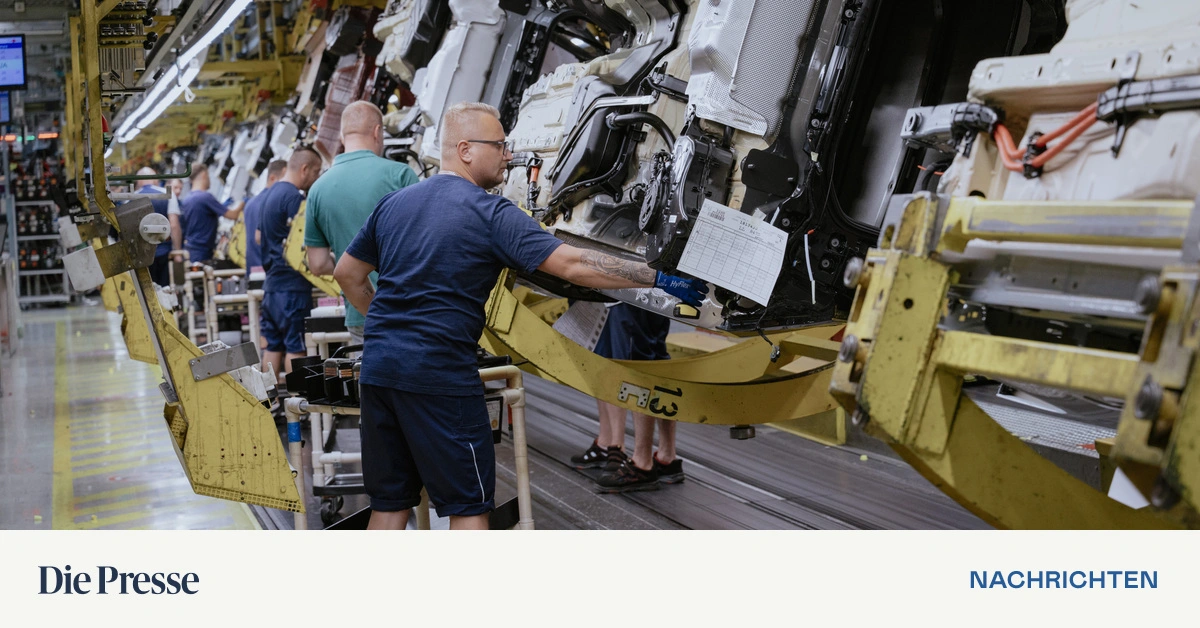
To manufacture the electric 3 Series variant, BMW has remodeled its Munich plant in recent months. Production is scheduled to commence in autumn 2026, and the i3 will then be available for order. The company states that the vehicle offers a range of up to 900 kilometers on a full battery charge. Speedy charging should allow for up to 400 kilometers of additional range in ten minutes.
At the same time, BMW is also launching a revised mild-hybrid 3 Series, which is primarily powered by a combustion engine. Visually, this version is not expected to differ from the electric model. Vehicles with fossil fuels will be produced at other locations. A plug-in hybrid version is also planned for later.
With this approach, BMW is taking a calculated risk. The company has developed more robustly in the electric segment than its premium competitors Mercedes-Benz and Audi. However, if demand for the new 3 Series variants falls short of expectations, the utilization of the Munich plant could reach under pressure.
The new i3 is also a key effort to strengthen competitiveness against electric car providers such as Tesla and the Chinese manufacturer BYD. BMW aims to appeal not only to early adopters of electric vehicles but also to long-standing customers of its own brand and drivers of competing manufacturers.
BMW already discontinued an earlier model with the name i3 in 2022. This was an independent electric compact car that came onto the market in 2013 as the company’s first mass-produced electric vehicle. This model was primarily aimed at early users of the new technology.
The new i3 now pursues a different approach: it carries an established model name from the core business and is intended to integrate electromobility more strongly into the brand’s volume segment.
The strategy of offering electric and conventionally powered vehicles in a similar design is also observed by other manufacturers. Mercedes now offers electric versions of existing models such as the GLC. Porsche is pursuing a similar line with the Cayenne Electric.
According to Michael Dean, an analyst at Bloomberg Intelligence, the convergence of prices between electric cars and vehicles with combustion engines makes the switch easier for consumers. BMW has not yet announced prices for the new 3 Series models.
By next year, BMW plans to offer more than 40 new or revised models based on the “Neue Klasse” platform, including variants of the 7 Series and the X5 SUV. The company points to strong customer interest in the iX3; the plant in Hungary is already running in two shifts to meet demand.
BMW has invested more than ten billion euros in the “Neue Klasse,” according to the company. The platform is intended to form the technological basis for the next generation of models with new software, very fast charging times, and a revised design language. (duc/Bloomberg)
