
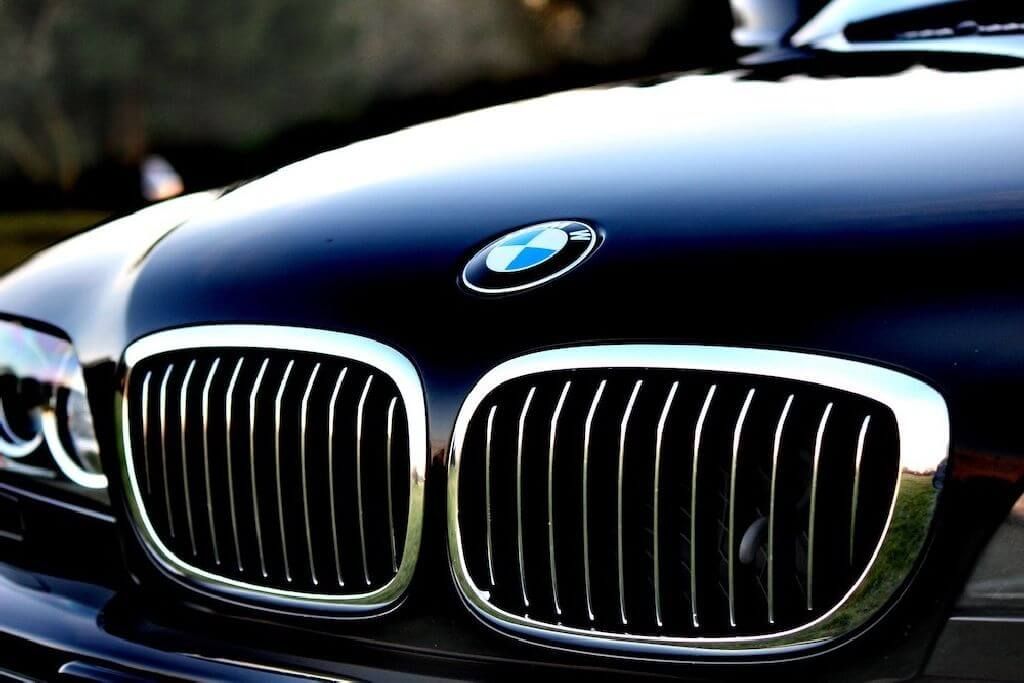
BMW has announced a global recall of hundreds of thousands of vehicles due to a potential fire risk stemming from faulty engine starters. The recall impacts 16 different models manufactured between 2020 and 2022, the company stated on March 2, 2026.
The automotive giant’s decision to initiate the recall carries significant financial and logistical implications, according to legal expert Aušra Kunčiuvienė of the firm Sorainen. “Such a large-scale decision means millions in costs for the company, reputational risk and a complex process of logistical and legal management,” Kunčiuvienė said.
While no physical damage has yet been reported, the recall raises the question of who will bear the financial burden. Kunčiuvienė emphasized the importance of insurance in these situations, stating, “The first question for businesses in these situations is who will cover the losses? And for the consumer – who will ensure safety and a quick resolution to the problem? Here, the role of insurance becomes extremely critical.”
Typically, product civil liability insurance covers damages to third-party property or injury. For example, if a fire originating in a recalled vehicle were to damage a nearby building or injure someone, the insurance would cover those costs, Kunčiuvienė explained. “In such situations, product civil liability insurance usually kicks in. It is designed to compensate for actual damage to third parties – both their health and property,” she said.
Although, in the case of BMW, the vehicles are being recalled before any physical damage has occurred. Which means that product civil liability insurance is unlikely to apply. The insurance generally doesn’t cover the consequences of a product defect, such as the cost of replacing faulty parts with functional ones or repairing the product itself.
The recall itself will generate substantial costs for BMW, including defect identification, customer communication, public relations, transportation, administration, and legal counsel. A product recall insurance policy can help mitigate these expenses.
“Without insurance for product recalls, all these costs remain the manufacturer’s loss. Product recall insurance usually does not cover the cost of replacing the defective part itself, but it can compensate for a significant portion of the organizational and logistical costs,” Kunčiuvienė noted. This scale of recall could directly impact the company’s financial stability, decision-making speed, and overall crisis management.
Product recalls are not uncommon, particularly in sectors like food, pharmaceuticals, construction materials, electrical appliances, and toys. However, recalls involving well-known manufacturers and brands tend to attract greater public attention.
Recent high-profile examples include the recall of Kinder Surprise candies due to potential salmonella risks and the global recall of Samsung Galaxy Note 7 phones due to overheating batteries.
“in many cases, products are recalled before any actual damage is done. This is a preventative safety measure. Although a recall entails financial and reputational consequences, it also demonstrates responsible risk management,” Kunčiuvienė said.
Kunčiuvienė also distinguished between official product recalls and the return of individual batches due to isolated errors or defects occurring during transport.
There have been instances globally where defects have led to real-world damage. In the Samsung case, overheating batteries caused injuries and property damage. There have also been cases of adverse drug reactions leading to health problems.
In Lithuania, legal cases have been filed related to product civil liability insurance, including complaints about exploding alcoholic beverage bottles and injuries caused by champagne corks. There have also been instances of short circuits and fires caused by faulty electric scooter chargers.
“In such situations, where actual damage to property or health occurs, product civil liability insurance comes into play. The injured party contacts the seller or manufacturer, who registers the claim with the insurer, and the insurer pays out the insurance benefit after assessing the circumstances,” Kunčiuvienė explained.
For consumers, whether a company has insurance is generally not a primary concern. Laws grant the right to demand a replacement for a defective product or compensation for damages directly from the seller or manufacturer. However, insurance can ensure a faster and smoother process, especially when many individuals are affected.
“It is important to distinguish between two different types of insurance: product civil liability insurance, which compensates third parties for damages, and product recall insurance, which covers the manufacturer’s financial costs associated with withdrawing a product from the market,” Kunčiuvienė emphasized. Recalled products are typically recycled if possible, or disposed of.
“The BMW case serves as a reminder that even technology leaders are not immune to errors. In critical situations, insurance becomes not a formality, but a real tool for business stability. Insurance protection must be tailored to the specific risks of the business – taking into account the nature of the activity, the territory, and the scale of potential losses,” the Sorainen expert added.
