
Vitamin D is Found Only in the Yolk
Healthy Fats…Increase Fat-Soluble Vitamin Absorption
Avocado, Olive Oil, Salmon, and More
Eggs are among the few natural food sources of vitamin D, a nutrient crucial for bone health and immune function. However, how you consume eggs significantly impacts how much vitamin D your body actually absorbs.
The key lies in the fact that vitamin D is “fat-soluble.” Maximizing its benefits requires considering cooking methods, meal timing, food pairings, and even how the chickens are raised.
According to data from the Rural Development Administration, foods containing 60g of edible portion provide sufficient daily vitamin D intake include bluefish, salmon, tuna, and eggs.
Importantly, vitamin D in eggs is found exclusively in the yolk. If you discard the yolk, you’re missing out on this essential nutrient.
Using healthy oils during cooking enhances absorption. Given that vitamin D is fat-soluble, it needs fat to be effectively absorbed by the body. A classic example is frying eggs in avocado oil or olive oil.
High-heat cooking methods, like deep frying, should be avoided. While vitamin D is relatively heat-stable compared to water-soluble vitamins, prolonged exposure to high temperatures can compromise its nutritional value. A 2023 study published in the international journal Foods, examining research from Newcastle University in the UK, found that vitamin D in eggs was preserved at 70-100% with cooking methods like boiling, poaching, and scrambling. However, high-heat cooking with oil reduced levels to 20-40%.
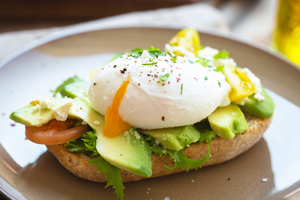
Pairing eggs with foods rich in healthy unsaturated fats further boosts benefits. Avocado is an excellent choice among fruits. A breakfast of eggs and avocado on toast, perhaps with a sprinkle of almonds, offers a delicious and nutritious combination. Consuming eggs alongside vitamin D-rich fish like salmon or mackerel can also be particularly effective.
Vitamin D absorption is also higher when consumed during or after a meal, rather than on an empty stomach. Eating eggs with a meal containing fats is ideal. A breakfast of two eggs with olive oil and avocado could efficiently maximize vitamin D absorption.
The vitamin D content of eggs also varies depending on how the chickens are raised. Eggs from free-range chickens, which have ample access to sunlight, contain approximately three to four times more vitamin D than those from conventionally raised chickens kept in cages.
Nutritionists recommend that it’s difficult to meet the daily vitamin D requirement solely through eggs, and suggest combining them with foods rich in unsaturated fats or vitamin D. According to the Korean Nutrition Society’s Dietary Reference Intakes for Koreans (2020), the recommended daily intake of vitamin D for adults is 10 µg (approximately 400 IU).
