
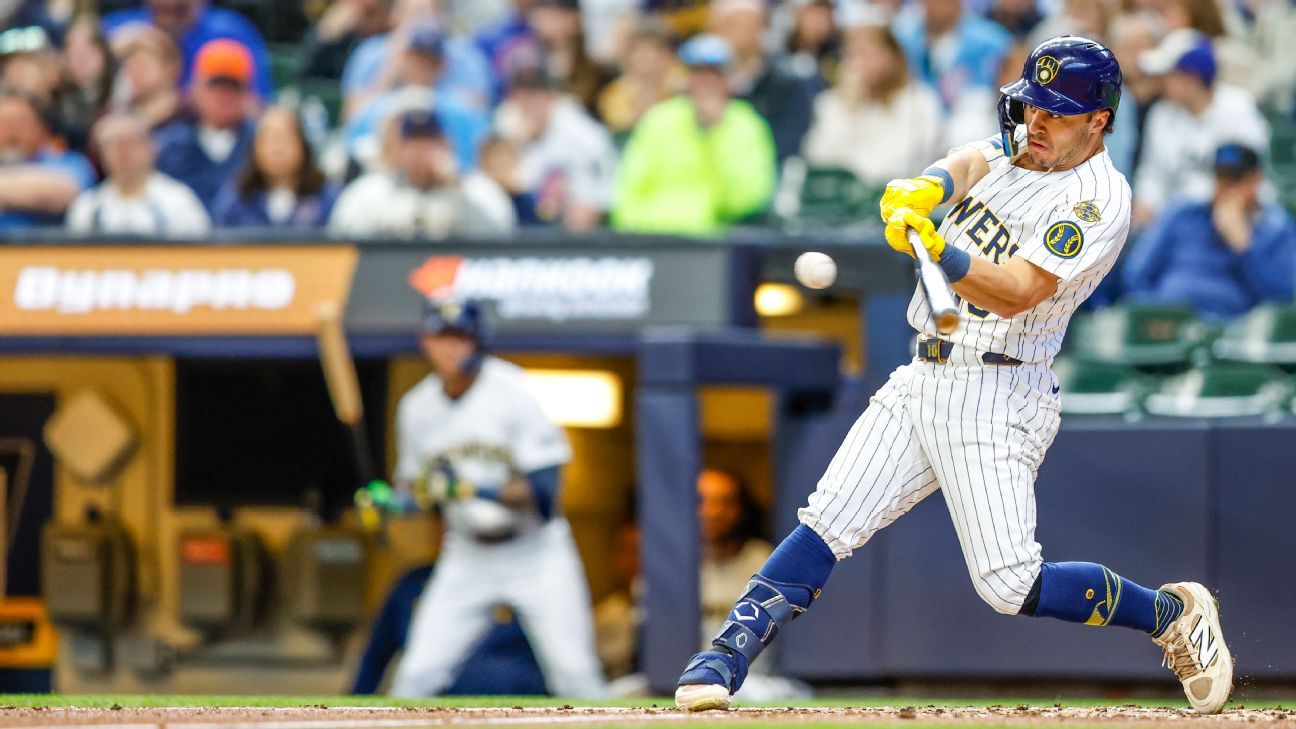
Can proactive measures truly safeguard baseball’s future,or are injuries an unavoidable part of the game? This article explores the evolving landscape of player health and roster management in baseball,examining how teams are leveraging data analytics,cutting-edge technology,and innovative training methods to minimize injuries and maximize player performance. Discover the future trends shaping how teams construct their rosters and keep their athletes on the field, gaining a competitive edge in the long run.
The Future of Player Health and Roster Management in Baseball
Table of Contents
The recent news surrounding Sal Frelick‘s knee issue and other injuries within the Milwaukee Brewers organization highlights a critical aspect of modern baseball: player health and it’s impact on team performance. As a seasoned observer of the game, I’ve seen firsthand how injuries can reshape a season. Let’s delve into the potential future trends related to these themes.
The Rise of Proactive Injury Prevention
Gone are the days of simply reacting to injuries. The future of baseball is about proactive injury prevention. Teams are investing heavily in cutting-edge technologies and methodologies to keep players on the field. This includes advanced biomechanical analysis, personalized training programs, and sophisticated data analytics to identify potential injury risks before they manifest.
such as, wearable sensors are becoming increasingly common. These devices track players’ movements, stress levels, and fatigue, providing valuable insights to trainers and medical staff.This data allows for real-time adjustments to training regimens, reducing the likelihood of overuse injuries.
Did you know? Some teams are even using virtual reality to simulate game scenarios and assess players’ reactions, helping to identify potential vulnerabilities.
The Impact of Data Analytics on Roster Construction
Data analytics is no longer a niche tool; it’s a cornerstone of modern baseball strategy.Teams are using data to make informed decisions about roster construction, player usage, and even injury management.
consider the case of Sal Frelick. His history of meniscus issues, combined with the current knee inflammation, likely prompts the Brewers’ medical staff to carefully monitor his workload and adjust his playing time to prevent further injury. This is where data comes in handy. By analyzing past data on similar injuries and player performance, teams can make data-driven decisions about when to rest players, when to adjust their training, and when to consider option lineup options.
pro tip: Keep an eye on how teams are using “load management” strategies for their pitchers and position players.This is a key trend that will continue to evolve.
The Evolving Role of Medical Staff and Training
The role of medical staff and trainers is expanding beyond traditional injury treatment. They are becoming integral parts of the team’s strategic planning, working closely with coaches and data analysts to optimize player performance and minimize injury risk.
This includes a greater emphasis on nutrition, sleep science, and mental health. Teams are recognizing that a holistic approach to player well-being is essential for long-term success.
Case Study: The success of the Los Angeles Dodgers in recent years can be partly attributed to their investment in a comprehensive player development program that prioritizes health and wellness.
The Future of Rehabilitation and Recovery
When injuries do occur, the focus is on rapid and effective rehabilitation. teams are utilizing advanced techniques such as platelet-rich plasma (PRP) injections, stem cell therapy, and innovative physical therapy protocols to accelerate recovery times.
The goal is not only to get players back on the field as quickly as possible but also to ensure they return at peak performance levels.
Reader Question: How will advancements in sports medicine impact the careers of older players?
The Importance of roster Depth and Versatility
With the increasing prevalence of injuries, roster depth and player versatility are more critical than ever. Teams need to have a pool of talented players who can step in and perform at a high level when key players are sidelined.
This also means that players who can play multiple positions are highly valued. Jake Bauers,who has been filling in at right field for the Brewers,is a prime example of the importance of versatility.
Data Point: The average number of players on the injured list has increased in recent years, highlighting the need for robust roster management.
The trends in player health and roster management are constantly evolving. By staying informed and adapting to these changes, teams can gain a competitive edge and ensure the long-term success of their organizations.
What are your thoughts on these trends? Share your comments and insights below!
