
A calorie-restricted diet may gradual age-related changes in the brain, according to a new study on rhesus macaques. The research, published in the journal Neurobiology of Disease, suggests potential implications for neurodegenerative diseases like Alzheimer’s.
Researchers led by a team at Boston University analyzed the brains of 24 rhesus macaques that had been on either calorie-restricted or standard diets for over 20 years. The study represents a significant step forward in understanding the long-term effects of diet on brain health.
After decades of differing dietary patterns, the researchers found evidence of improved neural communication and increased cellular protection in the brain tissue of animals consuming 30% fewer calories. These findings build on existing knowledge about the metabolic benefits of reduced calorie intake, where the body enters a more efficient metabolic state when fuel is limited.
“While calorie restriction is an established intervention that can slow biological aging and reduce age-related metabolic changes in shorter-lived experimental models, this study provides rare long-term evidence that calorie restriction may also protect against brain aging in more complex species,” said Anna Fiorentino, a neuroscientist at Boston University and the study’s lead author.
The Role of Myelin in Brain Protection
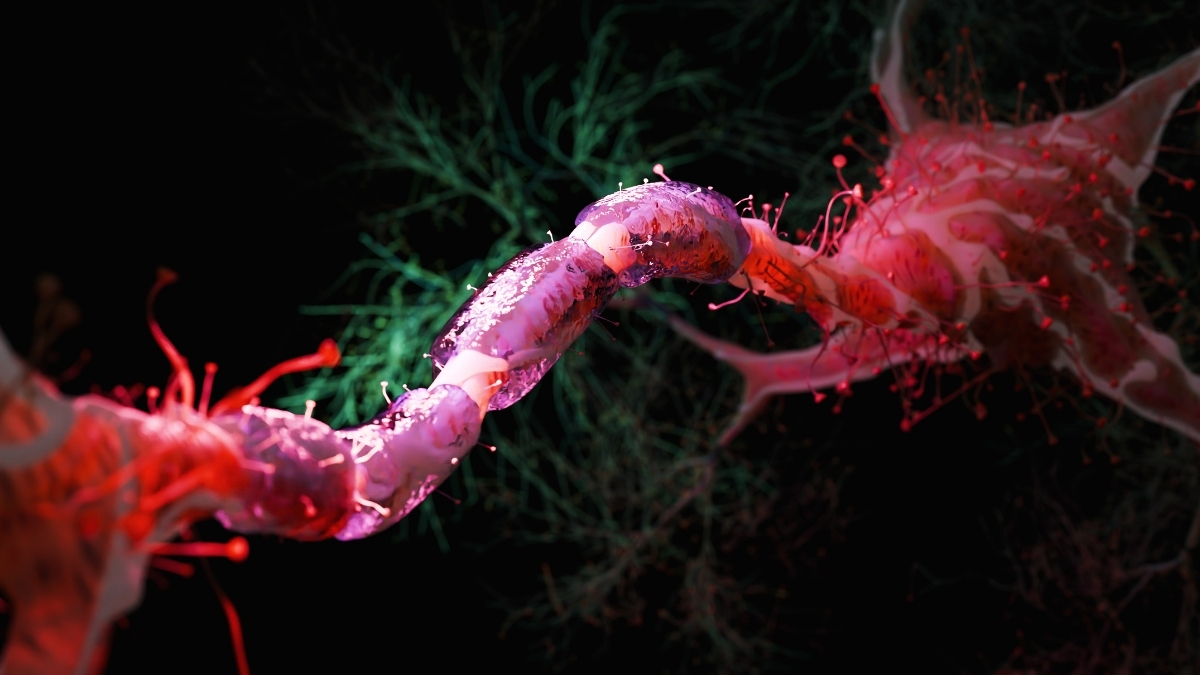
The research team focused specifically on myelin, the fatty sheath surrounding nerve fibers that speeds up and protects nerve signal transmission. Myelin degrades with age, potentially leading to neuroinflammation.
In the macaques on a low-calorie diet, there were strong indications that the myelin sheath was in better condition. Genes associated with myelin were more active, and the metabolic pathways responsible for its production and maintenance performed better.
The researchers also found that the cells responsible for producing and maintaining myelin were functioning more efficiently, mitigating some of the age-related changes seen in the macaques on a standard diet.
“This is significant, because these cellular changes may have implications for cognition and learning,” said Tara Moore, a neuroscientist at Boston University.
What Does This Signify for Neurological Diseases?
As with other organs in the body, the brain’s mechanisms become less efficient over time. In some cases, the mechanisms that maintain brain health can become overwhelmed, leading to chronic neuroinflammation.
This is why the risk of diseases like Alzheimer’s and Parkinson’s increases with age, as brain cells become more vulnerable and their activity can cause unintended damage, especially as the protective sheath around nerve cells deteriorates.
In recent years, scientists have revisited the connection between Alzheimer’s disease and myelin breakdown, adding experimental evidence of its deterioration to neuroimaging data from individuals experiencing rapid cognitive decline. This study adds further evidence suggesting a potential dietary intervention.
Do the Findings Apply to Humans?
Even though the study was conducted on a relatively small number of monkeys, their brains are remarkably similar to human brains, providing a logical basis for assuming the results may be applicable to humans – a possibility future studies can explore.
“Dietary habits may impact brain health, and long-term calorie restriction may slow some aspects of brain aging,” Moore said.
However, other studies suggest that brain aging isn’t solely dependent on diet, with factors like sleep quality, mental activity, and language learning also playing important roles.
