
Millions of Plastic Pellets Pollute East Sussex Beach After Wastewater Treatment Works Failure
Millions of plastic pellets have washed ashore at Camber Sands in East Sussex, with Southern Water stating it is “highly likely” the pollution originated from a failure at its Eastbourne wastewater treatment works.
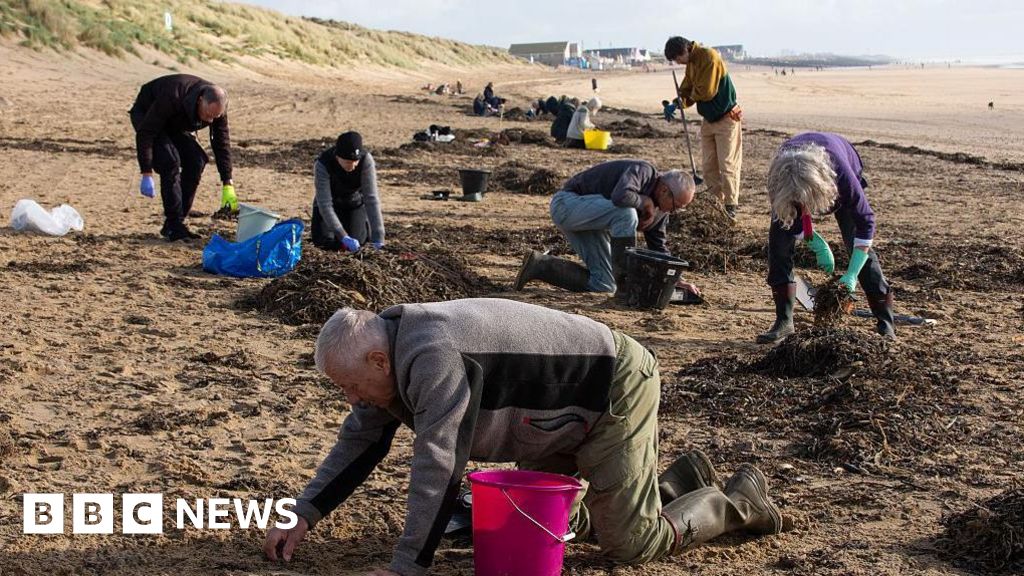
Volunteers and officials are currently engaged in a large-scale clean-up operation, describing the incident as the worst they’ve encountered. Josh Beech, founder of the non-profit organisation Nurdle, which specializes in cleaning plastic pollution, said, “This is by far the worst spill incident we’ve ever seen. This is tonnes and tonnes of pollution on quite a small stretch of coastline.” The pellets, used in the treatment process, were released into the sea during heavy rainfall after a screening filter failed. Ingestion of these pellets by wildlife poses a significant threat, as they contain toxins. You can learn more about the dangers of plastic pollution from organizations like the Plastic Pollution Coalition.
Hastings and Rye MP Helena Dollimore, who visited the beach yesterday, described the scene as “overwhelming,” noting the “huge number of these beads” and the ongoing effort to remove them before more arrive with the tide. Dominic Manning from Strandliners added, “When I came here on Thursday you could pick them up by the handful. These could be washing up anywhere along the coast of Sussex or even Kent.” This incident highlights the vulnerability of coastal ecosystems to failures in wastewater infrastructure. Rother District Council is coordinating the clean-up, but anticipates further deposits in the coming weeks and months, and has urged dog owners to keep their pets on leads.
Water minister Emma Hardy expressed her disappointment, stating the immediate priority is addressing environmental damage and minimizing further impacts. The Environment Agency has confirmed it will conduct a full investigation and “will not hesitate to take robust enforcement action where appropriate.” For more information on the work of the Environment Agency, visit their official website.
Officials say monitoring will continue, and Southern Water is working to resolve the issue and prevent future releases.
