
Researchers at Baylor University have developed a novel approach to treating colorectal cancer by modifying Listeria bacteria to deliver powerful anti-cancer proteins directly to tumor cells. The findings, published in the journal Cell Chemical Biology, offer a promising new avenue for cancer treatment.
Harnessing Bacteria in the Fight Against Cancer?
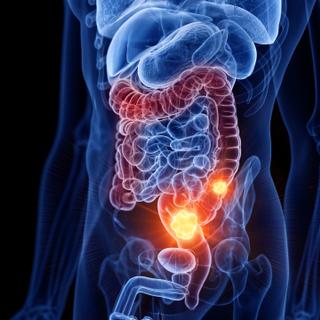
Colorectal cancer, affecting the colon and rectum, is a common malignancy. According to national statistics, more than 47,500 people are diagnosed each year, resulting in nearly 17,000 deaths. Early detection significantly improves the chances of successful treatment, highlighting the importance of participating in organized screening programs for individuals aged 50 to 74. This research offers hope for improving outcomes for those affected by this disease.
Tags : sante
Cancer colorectal : vous repoussez le test ? Une étude montre qu’il permet d’agir bien avant les premiers symptômes
Lire l’article
To reduce the mortality rate associated with this cancer, researchers are exploring new therapeutic strategies. Dr. Michael S. VanNieuwenhze, director of the Department of Biology at Baylor University, and his doctoral team are focusing on the increasing apply of bacteria as a tool in cancer treatment.
Their research centers on the bacterium Listeria. They removed its disease-causing properties while preserving its ability to enter human cells. Specifically, they attached saporin, a known anti-cancer toxin, to the surface of Listeria monocytogenes, enabling the bacteria to deliver the toxin directly to tumor cells.
“Our team asked ourselves, ‘What if we could attach saporin to the surface of a bacterium and let it enter the cell as it normally would?’ We could then exploit the chemistry inside the cell to release the saporin and destroy the cancer cell. That, is what we did, and we succeeded,” said Dr. VanNieuwenhze.
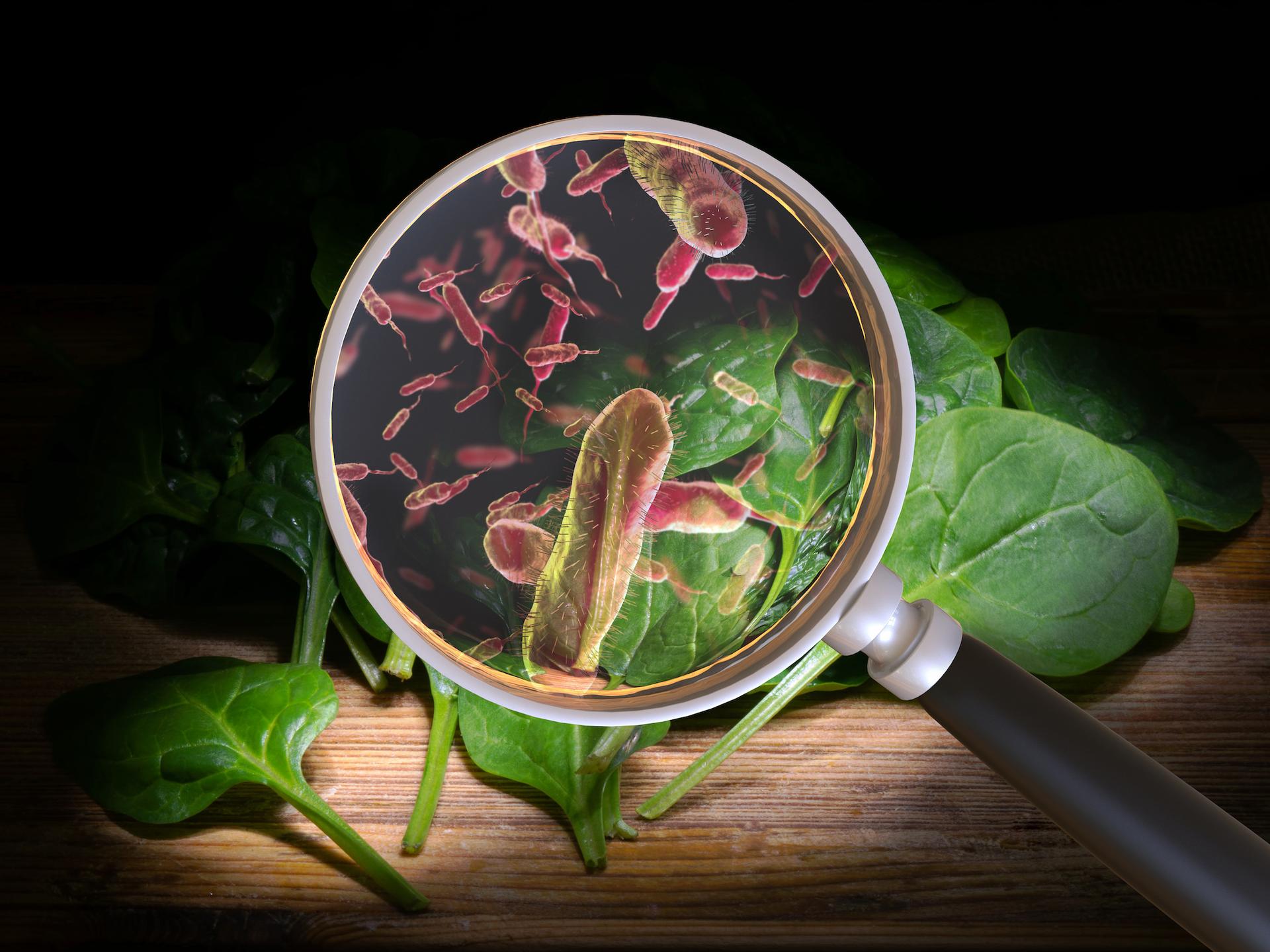
 In France, the foods most frequently contaminated by Listeria monocytogenes are dairy products (especially soft cheeses and raw milk cheeses). © Christopher Seufert, Adobe Stock
Listeria: A Therapeutic Agent Against Cancer Since 1994
Listeria has a reputation as a foodborne bacterium that can cause food poisoning. However, when genetically modified for therapeutic purposes, it is safe for human use.
Tags : sante
Cancer du côlon : au-delà des traitements, ces habitudes de vie qui pourraient tout changer selon la science
Lire l’article
Since 1994, it has been used as a therapeutic agent against cancer due to its distinct properties. “What makes this bacterium so useful from a therapeutic standpoint is that it is an intracellular microorganism, which gives it unique access to the internal compartments of cells,” explained Wyatt Paulishak, a doctoral student involved in the study. “As a living microorganism, we can modify it to make it safer and more effective. It too has a significant immunotherapeutic component and is naturally anti-cancerous; we envision it as a drug delivery vector.”
Listeria and Saporin: A Winning Combination Against Colorectal Cancer
Chemically attaching saporin to the Listeria bacterium amplified its anti-cancer power. Saporin is only toxic when inside cells, and the Listeria bacterium facilitates its entry into that environment.
“We used fluorescence imaging to verify that the saporin was indeed attached to the bacterium,” said Jianan Lyu, a doctoral student who participated in the study. “This allowed us to validate the concept and prove the feasibility of delivery—that is, the routing of the drug to the targeted cell types. We then performed in vivo and in vitro tests on mice to observe the anti-cancer activities, and it turns out that this approach leads to a significant increase in toxicity.”
For Dr. VanNieuwenhze, the next step is to consolidate these results through genetic strategies that would make the treatment safer and easier to administer. Colorectal cancer would be the first type of cancer for which this treatment would be used.
“If a treatment were developed from this research, it could in principle be administered orally,” said Dr. VanNieuwenhze. “I believe the next steps in our research will bring us closer to that goal. We have an excellent team, and it is exciting to consider the future,” the biology professor concluded.
