
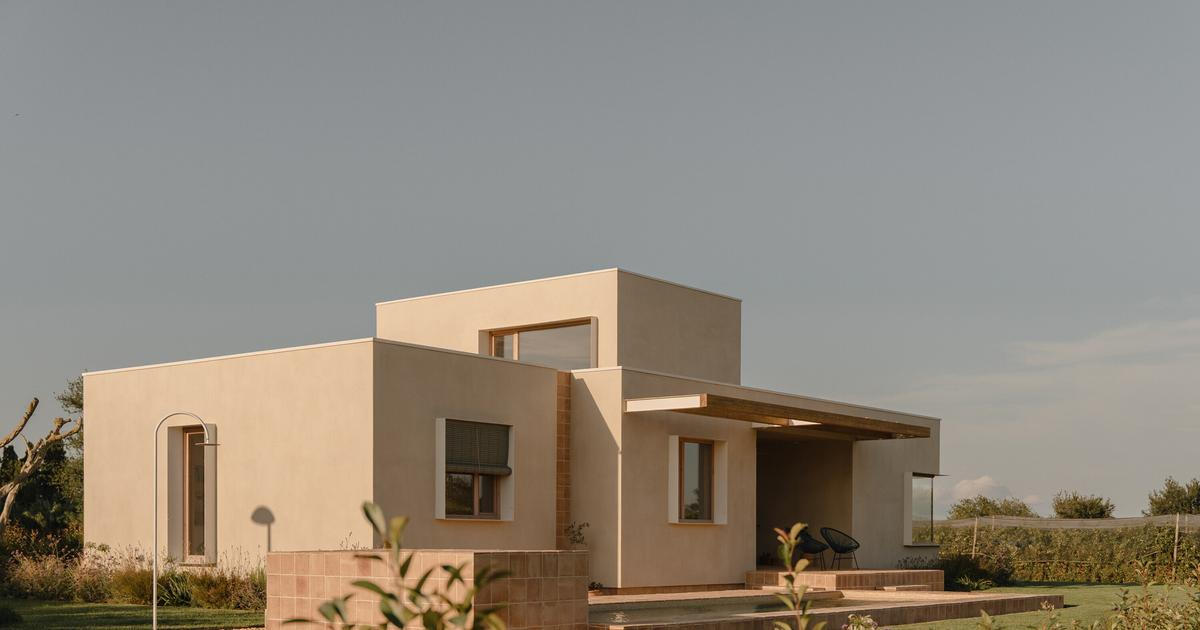
In the village of Vilamacolum, Spain, architect Clara Crous has designed and built a family home that seamlessly integrates with the surrounding agricultural landscape. The project, dubbed Casa Al Pradet, exemplifies a growing trend of architects prioritizing sustainable construction and a connection to local resources.
Crous and her partner, Carles, acquired a triangular plot of land framed by farmland in the Alt Empordà region. Carles’ background in digital fabrication, coupled with his family’s farming roots and access to machinery, proved instrumental in realizing their vision of a self-built home. This access to both technology and traditional knowledge allowed the couple to integrate design, technical resources, and construction timelines effectively.
Související

Construction began at the end of the corn harvest, leveraging the availability of local labor. This timing wasn’t accidental; it became a guiding principle, aligning the building process with the natural agricultural cycles of the region. The house’s structure relies on a prefabricated light timber frame, designed to optimize both time and effort.
Casa Al Pradet unfolds as a series of modules with varying shapes and heights, echoing the traditional outbuildings often added to Catalan manor houses. Elevated 1.2 meters above ground level to account for natural water flow, the house is as well designed to shield itself from the tramontana wind. Its staggered volumes respond to the triangular shape of the plot and the fragmented layout of surrounding rural buildings, blending into the landscape.
Local Materials and Smart Tech
The project emphasizes the use of local and natural materials, including cork, lime mortar, adobe, hydraulic tiles, and handmade ceramics, throughout the floors, exterior surfaces, and architectural details. Inside, wood is used for both the structure and the furniture, creating a sense of continuity and warmth. The integration of natural materials reflects a broader movement towards sustainable building practices and reducing the carbon footprint of construction.
Adding a modern touch, the home features motorized exterior shutters controlled by a smart system that responds to sunlight and wind direction. Ceramic gravel surrounding the house ensures proper drainage. Every design choice combines practical experience with technical expertise, resulting in a home that functions as an organic whole, responding to its environment.
Casa Al Pradet, as detailed in Linka News, stands as a successful example of integrating self-construction, contemporary technology, and local traditions. It’s a home that not only serves a practical purpose but also tells a story of Mediterranean life and the connection between people and the land.
