
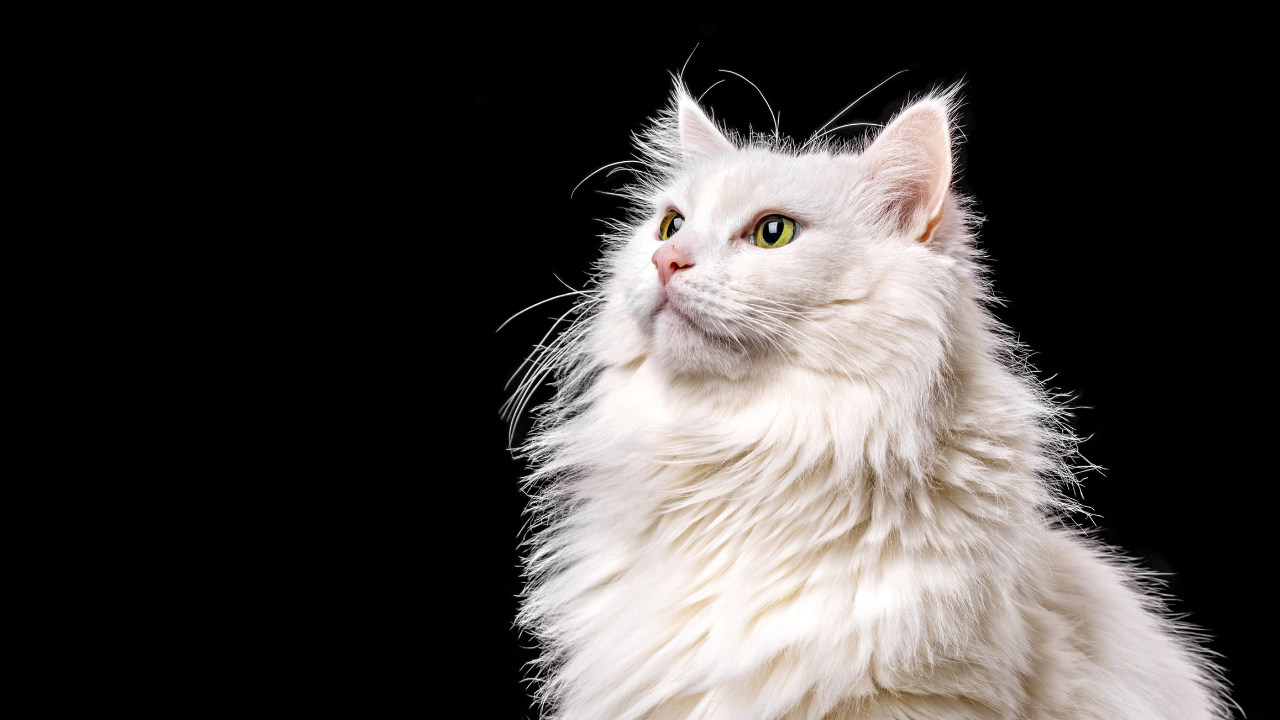
A detailed genetic map of cancer in domestic cats reveals striking similarities to the disease in humans, potentially opening new avenues for treatment in both species. Researchers have identified key genetic mutations linked to feline cancer by analyzing tumor DNA, a breakthrough that could improve understanding and treatment options for a disease affecting millions.
Nearly 500 Cats’ Tumor DNA Analyzed
According to a report by BBC News, scientists analyzed tumor DNA from almost 500 domestic cats, uncovering important genetic mutations associated with the condition. Cancer is a leading cause of illness and death in cats, but until recently, little was known about how it develops.
“Cat cancer genetics has totally been a black box up until now,” said Dr. Louise Van der Wayden, lead researcher on the project. “The more One can understand about cancer in any species has got to be beneficial for everybody.”
1,000 Genes Linked to 13 Cancer Types Examined
The international research team, led by the Wellcome Sanger Institute in Cambridge, examined approximately 1,000 genes connected to 13 different types of feline cancer. The study found that many of the genes driving cancer in cats are also found in humans, suggesting shared biological processes that contribute to tumor growth and spread.
Scientists believe that household cats could be particularly valuable in understanding certain types of breast cancer, such as triple-negative breast cancer. This subtype occurs more frequently in cats than in humans, providing researchers with more samples and opportunities to develop new medicines. Approximately 15 out of 100 breast cancers are classified as triple-negative.
Potential Insights into Environmental Factors
Almost a quarter of households in the United Kingdom own at least one cat, making them nearly as popular as dogs as companion animals. Although extensive cancer research has been conducted in dogs, cats have largely been overlooked.
Researchers suggest that both cats and dogs could offer clues about environmental factors involved in some cancers. Due to the fact that pets live in close proximity to their owners, they are exposed to similar environmental conditions.
“This research could assist us understand why cancer develops in cats and humans, how our environment affects cancer risk, and potentially lead to new prevention and treatment strategies,” said Professor Geoffrey Wood from the Ontario Veterinary College in Canada.
Source: Gazete Oksijen
