
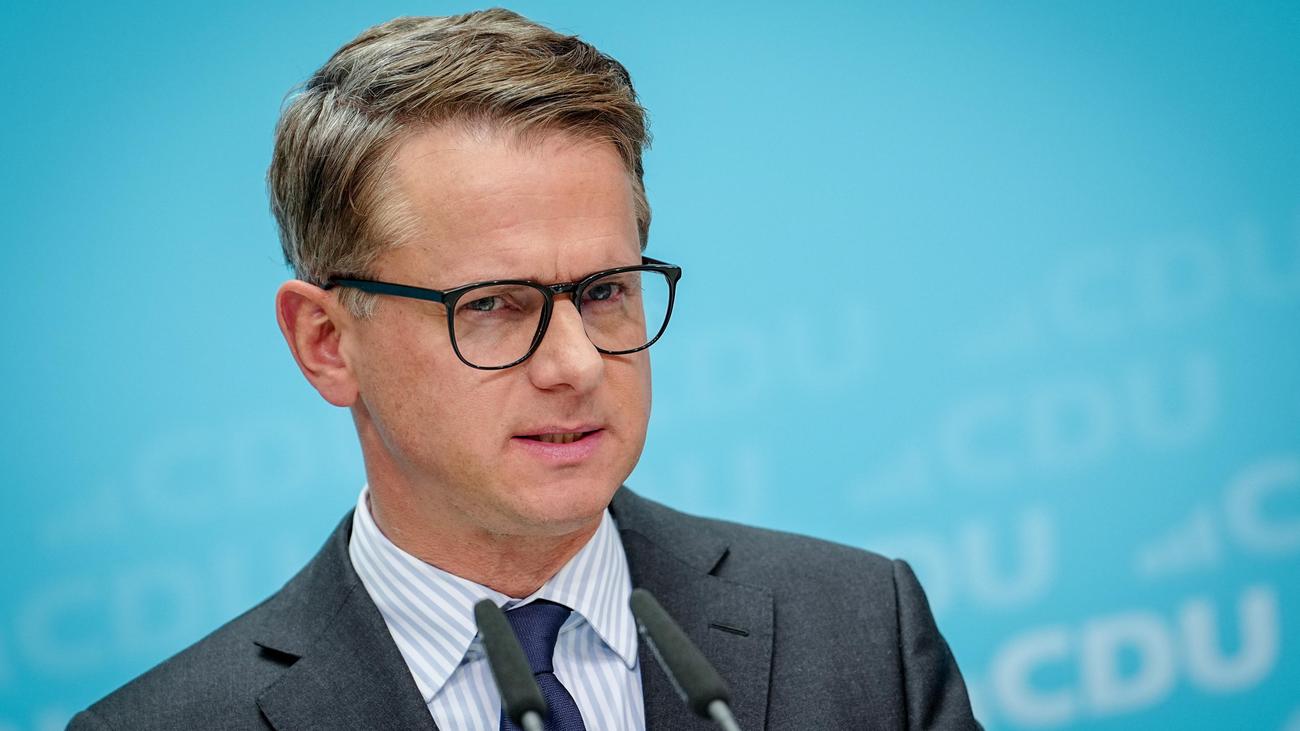
A leading member of Germany’s Christian Democratic Union (CDU) has criticized the country’s planned overhaul of its social welfare system, arguing it doesn’t go far enough to prevent abuse. The new “Grundsicherung,” set to replace the existing “Bürgergeld” benefit in March, is intended to streamline support for job seekers, but faces opposition from within the political landscape.
CDU General Secretary Carsten Linnemann told Bild am Sonntag that further legislative action is needed, stating, “Then more laws must follow. That is not enough.” Linnemann’s primary concern centers on the rules governing supplemental income earned while receiving benefits.
He specifically highlighted a scenario where individuals work only a few hours per week while supplementing their income with government assistance. “There are people who work five to ten hours (per week) and top up with Bürgergeld,” Linnemann said. “This creates a system in which social benefits are legally obtained. That must stop.”
Linnemann proposed a system where earnings from even a few hours of work would be fully deducted from the Bürgergeld payment. “Only those who work more should keep more. Today, you are allowed to keep the first 100 euros, after which 80 percent is deducted – this creates incentives to work little. We need to turn that around.”
The current coalition government is transitioning the Bürgergeld program into a new Grundsicherung für Arbeitssuchende, or basic security for job seekers. The law is slated to capture effect on July 1, 2026, following approval from the Bundestag.
Linnemann Calls for Income Tax Reform
Beyond the social welfare reforms, Linnemann too reiterated his call for substantial reductions in income tax rates. “Deliveries must be made on income tax,” he told Bild am Sonntag. “I think we need to talk to the SPD about a reform package.”
Specifically, he suggested raising the threshold for the top income tax bracket. “I advocate that the top tax rate should not apply at a gross annual income of 68,000 euros, but only at 80,000 euros. This would flatten the middle-class bulge and provide relief.” Linnemann previously raised these demands regarding the top tax rate during the 2024 federal election campaign.
