
A surge in uninstalls of the ChatGPT mobile application is underway in the United States and globally, as users react to recent developments regarding OpenAI’s data-sharing policies.
The increase in app deletions began at the end of February, following the public release of details concerning OpenAI’s approach to data usage. Concerns center around the security of private queries and information entrusted to the platform.
Market intelligence data indicates a nearly threefold increase in the frequency of app uninstalls by February 28. This jump coincided with public discussion surrounding changes to OpenAI’s data processing terms. Typically, a small percentage of users uninstall apps daily, but that figure has risen significantly in recent days.
Users aren’t only abandoning the application; they are also expressing their dissatisfaction through app store ratings. The number of one-star reviews surged, and overall download numbers are declining, signaling a crisis of confidence.

Privacy and Data Security Concerns Drive User Behavior
The primary concern revolves around the use of user data, and the potential for its application in surveillance or commercial purposes without explicit consent. The situation highlights growing consumer awareness regarding data privacy in the age of artificial intelligence.
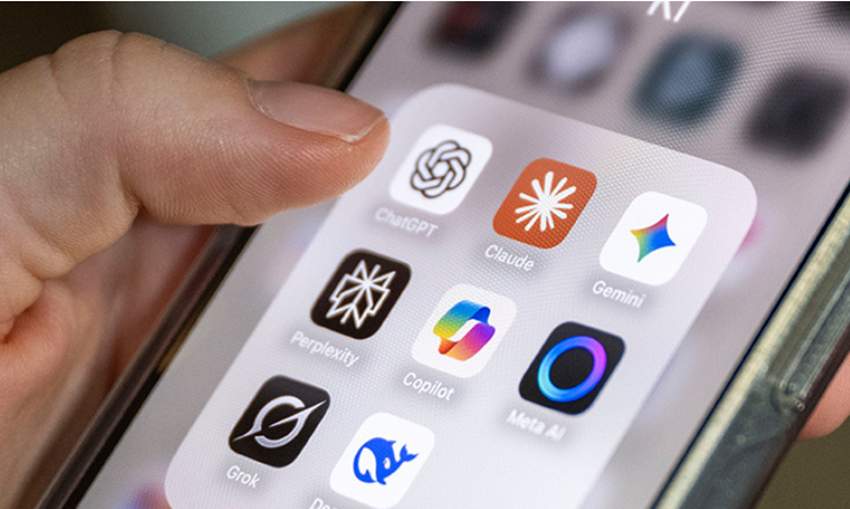
Although OpenAI adjusts its policies and expands collaborations, other companies are taking a different approach. This has prompted many users to seek alternatives perceived as more trustworthy and committed to privacy. Notably, Anthropic’s Claude has seen a significant increase in interest.
The developers of Claude have publicly stated their refusal to grant unrestricted access to their models to external entities. They emphasize a desire to maintain AI as a user assistant, rather than a data-gathering tool. This position has attracted thousands of new users prioritizing the confidentiality of their conversations and business inquiries.
Recent weekend data shows Claude surpassing ChatGPT in popularity for the first time. The application, which was not among the most popular just weeks ago, now holds the top spot on the U.S. App Store as of March 2, jumping over 20 ranks in roughly a week. This shift demonstrates the speed with which consumer preferences can change when doubts arise regarding a company’s transparency or data security.
ChatGPT Usage Trends in Latvia
Artificial intelligence has grow integrated into daily life in Latvia, but global news regarding data security is prompting a reassessment of these tools. Local data indicates that ChatGPT is particularly popular among office workers, women, and young adults. As of recently, the application reached nearly 190,000 monthly users in Latvia, with the most active users being those aged 25 to 34.
Interestingly, ChatGPT isn’t solely a source of entertainment for younger generations in Latvia. Data shows that users in the 45–54 age range spend even more time interacting with the AI, averaging over two hours per month.
However, the latest information regarding data privacy may lead to adjustments in these habits. A global trend of users abandoning the app is likely to translate into increased interest in safer alternatives and greater caution regarding the information shared with chatbots within Latvia.
This proves anticipated that businesses and households in Latvia will pay closer attention to where inputted data ends up following these developments. If ChatGPT was once perceived as a helpful tool, many are now weighing the risks to their privacy against the benefits of a quick response. In the future, those tools that can offer not only intelligent advice but also clear guarantees regarding data security will prevail.

Market Shifts and Evolving User Preferences
Although ChatGPT still holds a significant market share, the landscape is shifting in favor of those offering greater security. While OpenAI previously dominated in terms of user numbers, competitors such as Perplexity and Google Gemini are gaining prominence. The recent Department of Defense partnership, rebranded as the Department of War under the Trump administration, appears to have accelerated this trend.
Users are now evaluating not only the intelligence and speed of a chatbot’s responses but also the values of the company behind it and how our inputted information is used. Many users are now choosing tools that clearly define their terms and avoid concealing information behind complex legal jargon.
The rapid development of artificial intelligence is making it increasingly important for everyday users to understand where their inputted information goes after a question is asked. If these applications were once seen as simply entertaining, they are now viewed as serious tools that realize more about us than we sometimes remember.
This situation serves as a reminder that even technology giants can lose millions of users in a matter of days if their decisions don’t align with public values. Users desire to feel safe and be confident that their digital assistants aren’t being used against them or to sell their data. The future will belong to those who can offer not only the best technology but also the most honest approach to each user’s privacy.
