
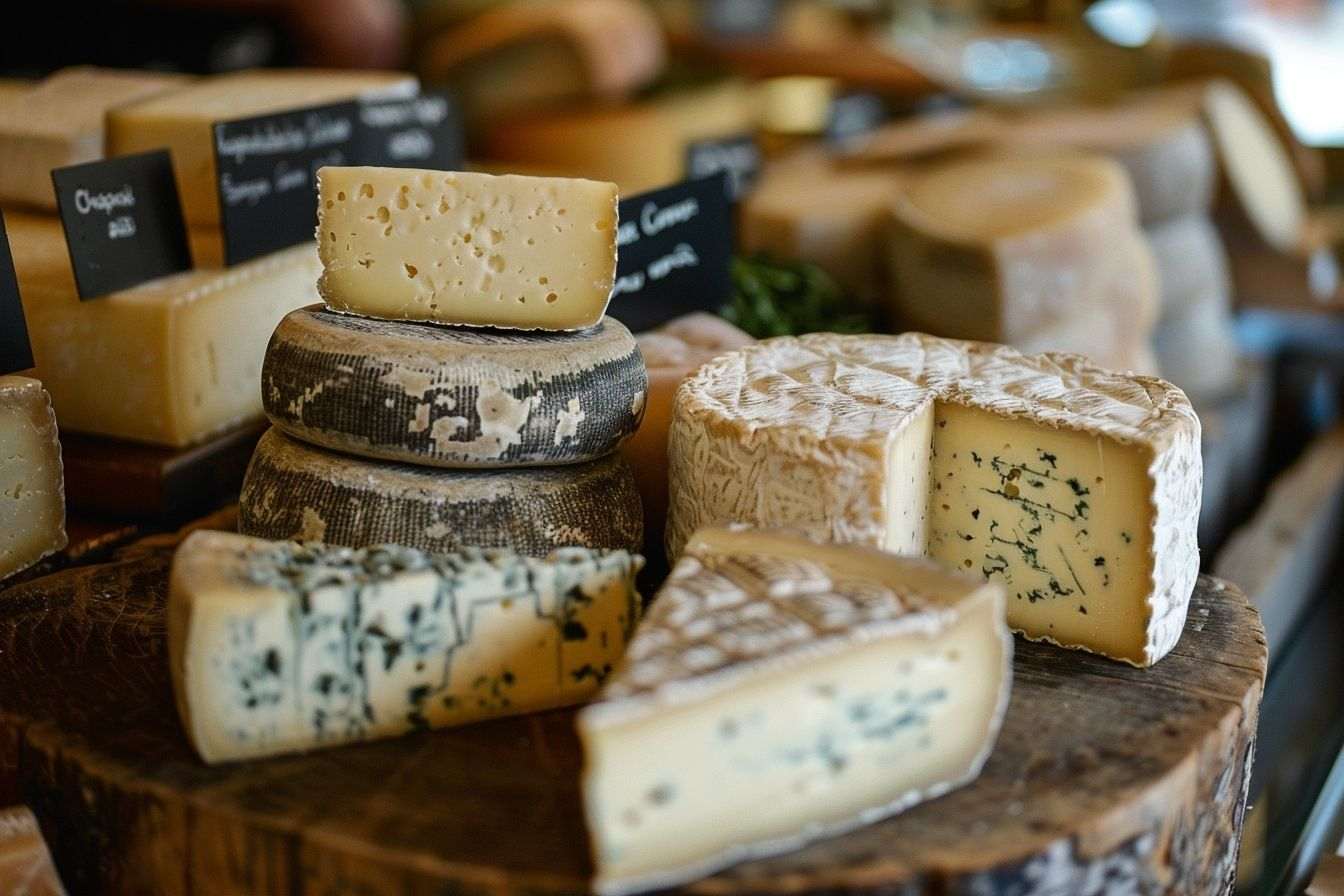
Could enjoying a daily slice or two of cheese be good for your brain? New research from Sweden suggests a correlation between regular consumption of full-fat cheese and a lower risk of dementia, sparking interest in the potential role of diet in cognitive health. While scientists caution against drawing definitive conclusions, the large-scale, decades-long study adds to a growing body of evidence exploring modifiable lifestyle factors that may influence brain aging and dementia risk. This emerging area of research highlights the complex connection between what we eat and how our minds function.
A recent study suggests a potential link between cheese consumption and a reduced risk of dementia. Researchers analyzed the dietary habits of thousands of adults to explore this promising avenue for cognitive health.
Tl;dr
Table of Contents
- High-fat cheese intake is associated with a lower risk of dementia.
- The effect may reflect overall dietary patterns.
- Brain health depends on multiple lifestyle factors.
Could Cheese Help Ward Off Dementia? New Research Explores a Potential Link
A large-scale Swedish study is reigniting the conversation about the connection between diet and brain health. Published recently in the medical journal Neurology, the research indicates that individuals who regularly consume at least 50 grams of full-fat cheese – roughly equivalent to two slices of cheddar daily – have a 13% lower risk of developing dementia compared to those who eat less than 15 grams. Even more surprisingly, the same level of intake was associated with a 29% reduction in the risk of vascular dementia, a common form linked to cerebrovascular issues. The study also found that daily consumption of more than 20 grams of high-fat cream may have a protective effect. This research adds to the growing body of evidence highlighting the importance of diet in maintaining cognitive function as we age.
Researchers followed nearly 27,670 Swedish adults for approximately 25 years, during which over 3,000 cases of dementia were identified. However, the study team emphasizes that the findings demonstrate a statistical association, not a direct cause-and-effect relationship. As Dalia Perelman of Stanford Medicine points out, “What one eats with the cheese, or what it replaces in the diet, is just as important as the cheese itself.” Isolating the specific role of cheese from other dietary factors and lifestyle choices proves challenging.
Potential Mechanisms: Nutrients and the Gut Microbiome
Experts have proposed several hypotheses to explain this potential protective effect. Full-fat dairy products provide nutrients like calcium, specific fatty acids, and vitamin K2, all known to support brain health. Jonathan Rasouli of Northwell Health’s Staten Island University Hospital suggests these nutrients could promote blood vessel health and modulate neuronal inflammation. Furthermore, fermented foods like certain soft cheeses may contribute to a healthy gut microbiome, which is increasingly recognized for its positive impact on cognitive function.
It’s important to note, however:
- Excessive intake of saturated fats can worsen cardiovascular risk.
- No study has yet proven that increasing cheese consumption actually protects against cognitive decline.
A Holistic Approach to Brain Health
Currently, no experts recommend increasing cheese consumption specifically to prevent dementia. “It’s a whole lifestyle that comes into play – a varied and balanced diet, regular physical activity, restorative sleep, and intellectual engagement,” Rasouli emphasizes. Cheese can be a part of a diverse diet, but it’s not a standalone solution against cognitive disease. The findings underscore the complex interplay of factors influencing brain health and the need for a comprehensive approach to wellness.
Ultimately, maintaining cognitive health requires a multifaceted strategy, and this research offers another piece of the puzzle as scientists continue to investigate the relationship between diet and dementia risk.
