
Local Chikungunya Transmission Returns to French Guiana After Decade-Long Absence
Health authorities in French Guiana have confirmed the re-emergence of local chikungunya transmission, marking the first time the virus has circulated within the territory since 2014. The resurgence highlights the persistent threat of mosquito-borne illnesses in the region and the risk posed by viral activity in neighboring countries.
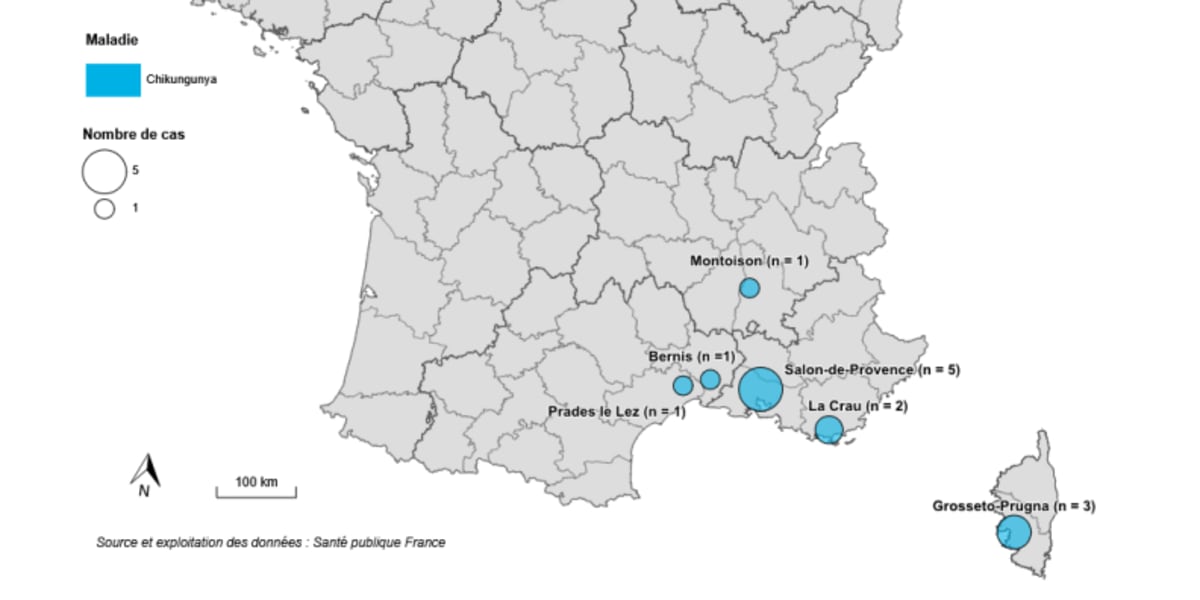
The Regional Health Agency of French Guiana first alerted the public to the situation after detecting a locally acquired case on January 21, 2026. The patient had not traveled in the 15 days prior to the onset of symptoms, confirming the virus was transmitted within the territory. Following this, a resident of Kourou was confirmed positive via RT-PCR testing on January 27, 2026. While the initial case was isolated, subsequent investigations identified three additional confirmed cases.
The situation has evolved since the initial detection. As of March 3, 2026, 25 confirmed cases of chikungunya have been identified in French Guiana. This total includes 12 autochthonous (locally acquired) cases and four imported cases. This update underscores ongoing public health challenges in managing vector-borne diseases in tropical climates.
The Pan American Health Organization (PAHO) issued an epidemiological alert on February 10, 2026, noting a resumption of transmission across the Guiana Shield region, which encompasses French Guiana, Guyana, and Suriname. According to PAHO, the virus strain detected in French Guiana is genetically similar to those currently circulating in other parts of the Americas. This trend aligns with broader regional data showing a sustained increase in chikungunya cases across South America and the Caribbean since late 2025.
Public health officials noted that a chikungunya outbreak is currently occurring in neighboring Suriname, further increasing the risk of cross-border transmission. In response, mosquito control agents from the French Guiana Territorial Collectivity have been mobilized in the field to mitigate the spread.
Understanding the Risks and Symptoms
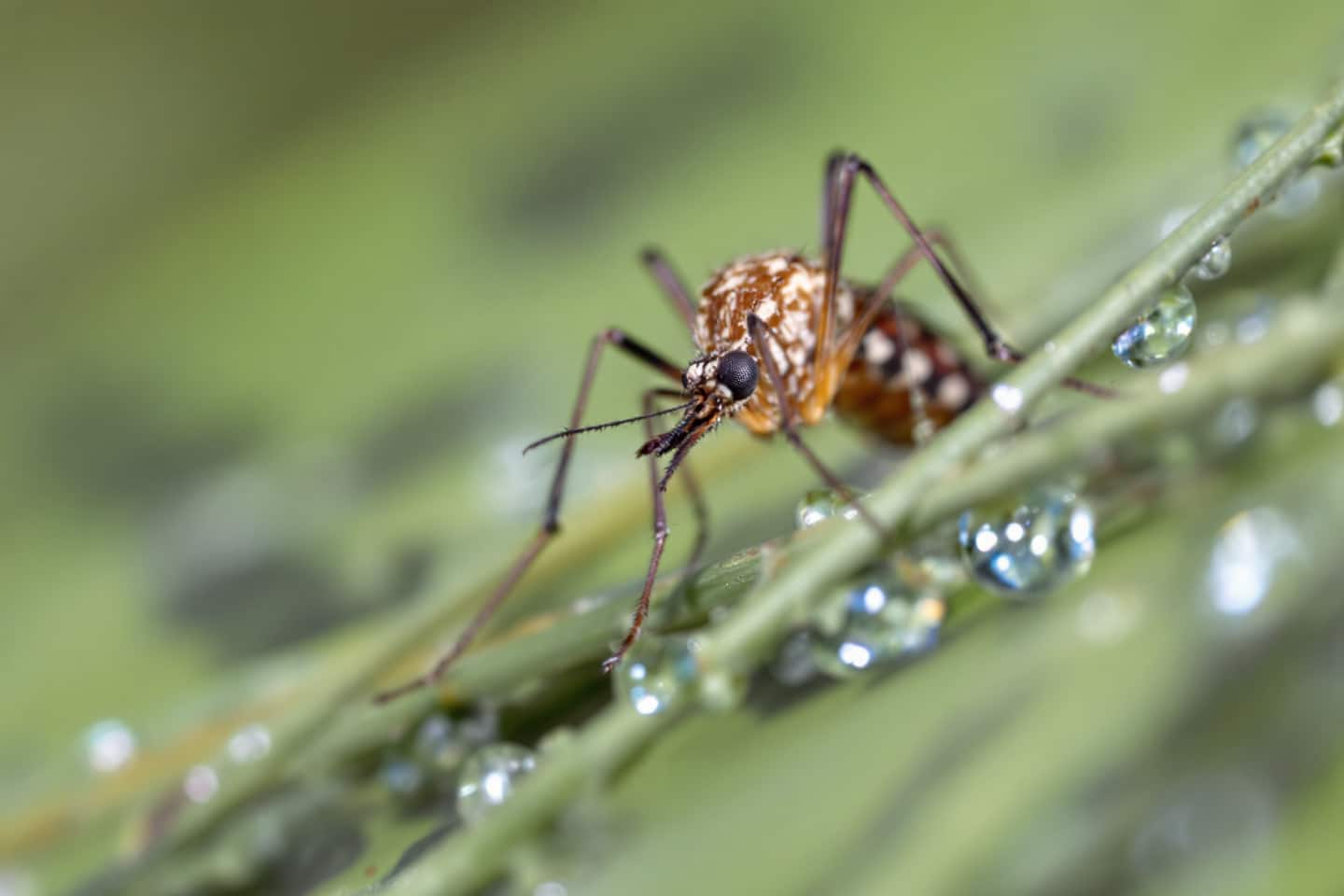
Chikungunya is caused by an arbovirus transmitted to humans through the bite of infected Aedes mosquitoes, which typically bite at the beginning and end of the day. These same mosquito vectors are responsible for transmitting the Zika and Dengue viruses.
Symptoms generally appear five to seven days after an infected mosquito bite and may include:
- High fever
- Headaches
- Prolonged fatigue
- A skin rash
- Muscle and joint pain, which can often be debilitating
- Bleeding from the nose and gums, particularly in children
While the disease is rarely serious, the resulting joint pain can be prolonged and debilitating. Health officials emphasize that special attention is required for high-risk groups, including infants, pregnant women, the elderly, and immunocompromised individuals. Currently, there is no specific antiviral treatment for the virus.
The return of local transmission after more than ten years serves as a critical reminder of the necessitate for continued vigilance. The presence of active mosquito vectors and the movement of people from affected regions—including reports in April 2025 of cases in individuals returning from the Indian Ocean, specifically around Réunion—continue to necessitate strict preventative measures.
