
Chile is facing an unusual and widespread heat wave impacting regions from the arid north to the typically cooler south.The Chilean Meteorological Directorate has issued alerts for numerous provinces, anticipating temperatures well above seasonal averages starting January 1, 2026 [[1]]. Authorities are preparing for potential impacts on infrastructure and public health as this extreme weather event unfolds across a significant portion of the contry [[3]].
Chile is bracing for a widespread heat wave, with extreme temperatures forecast for both the central and southern regions of the country. The unusually warm weather is prompting officials to issue alerts and advise residents to take precautions.
The Chilean Meteorological Directorate announced high temperature warnings will be in effect between January 1 and January 5, 2026, extending beyond the typically affected central zones.
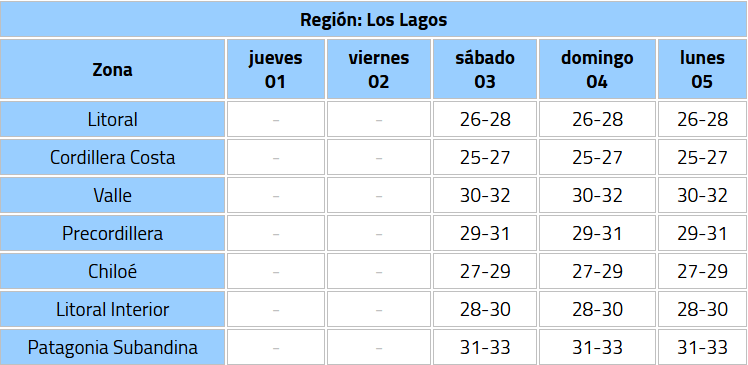
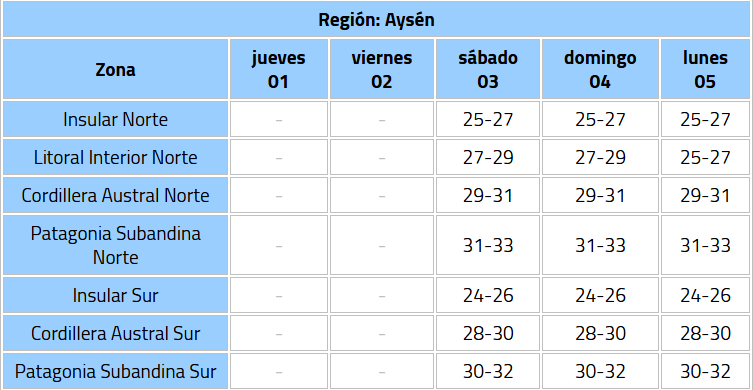
The alert covers the regions of La Araucanía, Los Ríos, Los Lagos, and Aysén, encompassing coastal areas, valleys, and both the Coastal Range and pre-cordilleran and cordilleran zones.
Southern Chile Faces Unexpected Heat
Temperatures in the southern regions are expected to reach between 24 and 33 degrees Celsius (75 to 91 degrees Fahrenheit) in some areas, according to the Directorate’s report. This is a significant departure from typical January weather patterns in these areas.
The warning’s duration varies by region. La Araucanía and Los Ríos will experience the elevated temperatures from January 1 to January 5. Los Lagos and Aysén are under alert from Saturday, January 3, through Monday, January 5.
Central Chile Already Experiencing Extreme Heat
A High Temperature Extreme Weather Alert remains in effect for central Chile as of late Thursday. The conditions, driven by a high-pressure system, are expected to persist through the afternoon of January 1, with temperatures potentially reaching 37 degrees Celsius (99 degrees Fahrenheit).
The alert applies to the regions of Coquimbo, Valparaíso, Metropolitan, O’Higgins, Maule, and Ñuble. This heat wave underscores the increasing frequency of extreme weather events globally.
In addition, a high temperature warning of up to 36 degrees Celsius (97 degrees Fahrenheit) is in effect for the Bío Bío region through Saturday, January 3. A separate warning for potential thunderstorms is also in place for the Arica y Parinacota and Tarapacá regions.
