
From Viral Hit to Government Target: ‘Zhu Yu’ Sparks Crackdown on ‘Beauty Worship’ in Chinese Dramas
The massive success of the historical drama Zhu Yu has taken an unexpected turn, evolving from a global streaming hit into a catalyst for government intervention. While the series has propelled lead actors Zhang Linghe and Tian Xiwei to new heights of fame, it has also landed in the crosshairs of Chinese regulators over its aesthetic choices.
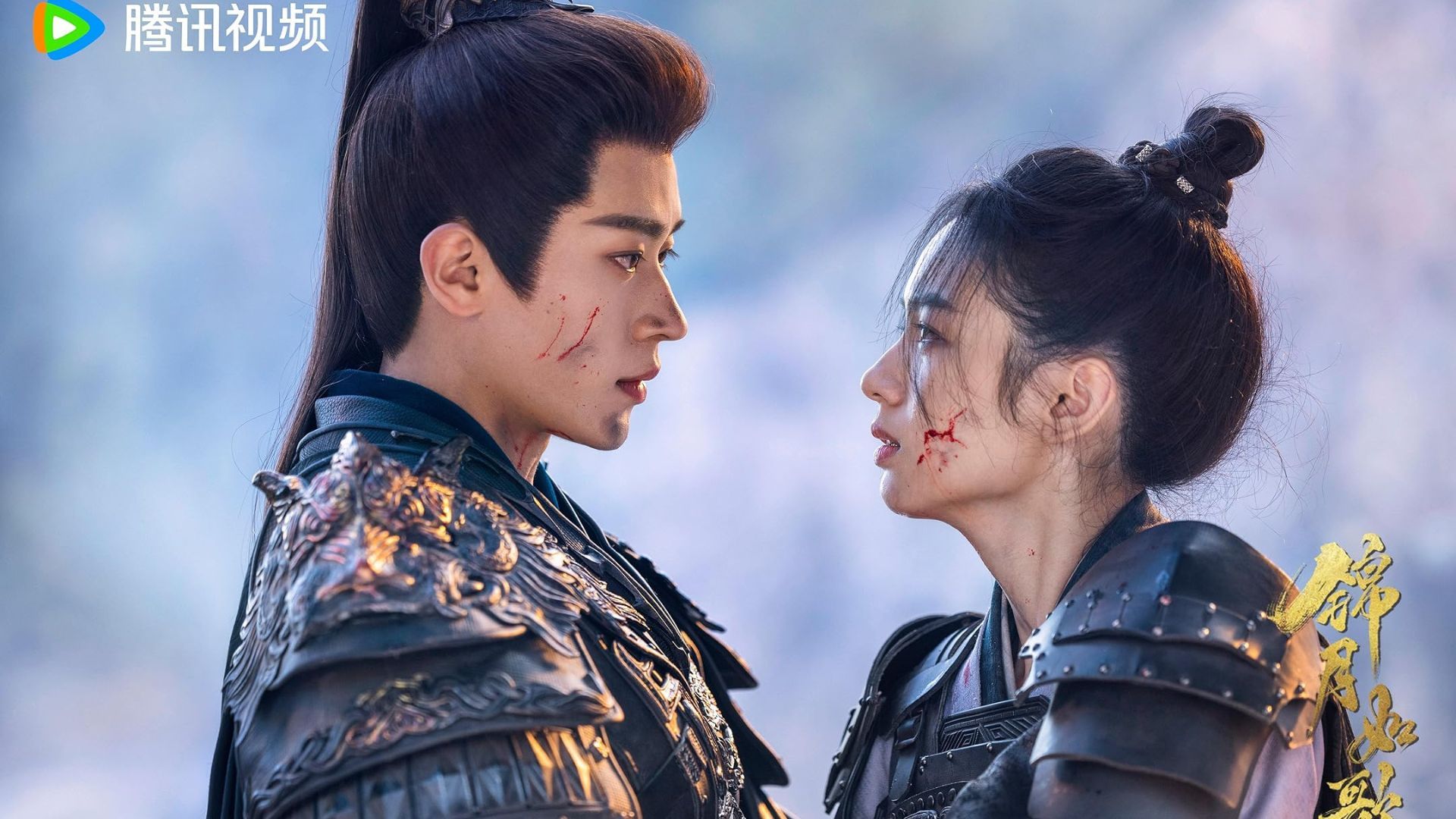
The controversy centers on Zhang Linghe’s portrayal of the general Xie Zheng (the Marquis of Wu An). Despite the character’s high military rank, netizens have mocked his overly polished, pale makeup, dubbing him the “Foundation General.” The critique quickly spiraled beyond social media memes, drawing the attention of state-affiliated media and government regulators.
The backlash reached a peak when the military media outlet “Jun Zheng Ping” issued a rare critique, arguing that the “powdered” appearance of the general in the costume drama represents an “over-softening” of military figures, which they claim erodes the masculine spirit and the sense of social responsibility associated with the role.
In a swift response, the National Radio and Television Administration (NRTA) convened a “Television Healthy Aesthetics Symposium” on April 2, 2026. The meeting, attended by representatives from major streaming platforms and production houses such as Huace Film & TV, Ningmeng Media, and Daylight Entertainment, served as a stern warning against the current trend of “beauty-first” production. While the NRTA did not explicitly name Zhu Yu, the timing and specifics of the directives have led many to believe the show was the primary target of the policy shift.
During the symposium, officials identified a “loss of aesthetic bottom lines” in the industry, specifically citing instances where makeup and costumes are completely disconnected from a character’s personality or the story’s setting. To combat this, the NRTA issued four mandatory requirements for future productions:
- Eliminate “Beauty Worship”: Healthy aesthetics must be integrated into every stage of the creative process.
- Abandon “Deformed Aesthetics”: Productions must adhere to aesthetic bottom lines to ensure characters feel authentic and “flesh-and-blood.”
- Transition to a “Script-Centered System”: The industry must move away from a “Star-Centered System,” prioritizing content and character over celebrity appeal to ensure actors “gaze the part” of their roles.
- Avoid “Traffic Reliance”: Creators are urged to stop relying on high-traffic idols and instead focus on acting skills and works that embody “Chinese style” and cultural confidence.
The government’s stance that audiences value “enduring” stories over “fine-looking” faces has sparked a divide among viewers. Some agree with the requirements, arguing that actors should serve the role rather than their own image. Conversely, others argue that “traffic dramas” are specifically designed for fans and that the crackdown on aesthetics is unnecessary.
As the controversy persists, fans of the series have expressed growing anxiety on social media, fearing that the government’s disapproval could lead to the show being removed from streaming platforms. This clash highlights a growing tension in the industry between the commercial appeal of “idol aesthetics” and the state’s push for a more traditional, disciplined representation of national identity on screen.
The situation has left many questioning whether the “Zhang Linghe Clause,” as some netizens have called these new mandates, will permanently change the look and feel of the C-drama landscape, shifting the focus from the glamour of the lead actor back to the strength of the script.
