

China Achieves Breakthrough in Power Grid Stability with World’s First 35kV Direct-Connect Synchronous Condenser
In a significant leap for power infrastructure, China has successfully developed the world’s first 35kV high-voltage direct-connect synchronous condenser. This technological milestone, spearheaded by the Shanghai Generator Plant (a subsidiary of Shanghai Electric Group), marks a critical advancement in the stability and efficiency of modern power systems, particularly as the global transition toward renewable energy accelerates.
The core of this breakthrough lies in a proprietary 35kV stator insulation technology. According to reports released around April 1, 2026, the Shanghai Generator Plant successfully increased the stator voltage of a 50Mvar synchronous condenser from the traditional 10.5kV to 35kV. This advancement allows the equipment to connect directly to the power grid, completely eliminating the need for intermediate transformers.
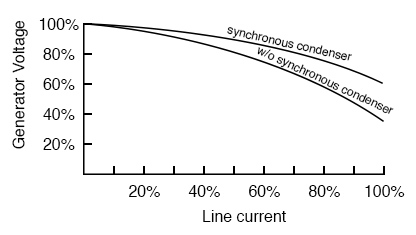
Synchronous condensers serve as essential “voltage stabilizers” within a power grid, absorbing excess voltage when This proves too high and supplementing it when it drops. By removing the transformer from the equation, the new direct-connect system significantly reduces costs and enhances the short-circuit capacity of single-machine systems, providing a more robust support mechanism for the grid.
The development comes at a pivotal time as China expands its large-scale “wind, solar, storage and thermal” energy bases. The massive integration of volatile renewable energy sources, such as wind and solar power, places immense pressure on grid stability. This new high-voltage technology provides a cost-effective and highly reliable solution to maintain power quality and ensure the secure operation of the network.
Industry experts have appraised the technology as reaching an international leading level. Beyond the immediate technical gains, the successful implementation of this 35kV direct-connect route is expected to play a vital role in supporting “dual carbon” goals by facilitating the seamless integration of green energy into the national power grid. The breakthrough underscores a broader trend of enhancing hardware reliability to meet the demands of next-generation electrical systems.
