

China’s Railway Network Hits Record Single-Day Volume During Qingming Holiday
China’s railway network reached a historic milestone on April 4, 2026, transporting 22.123 million passengers in a single day. According to China State Railway Group, this figure marks the highest single-day passenger volume ever recorded during the Qingming holiday period.
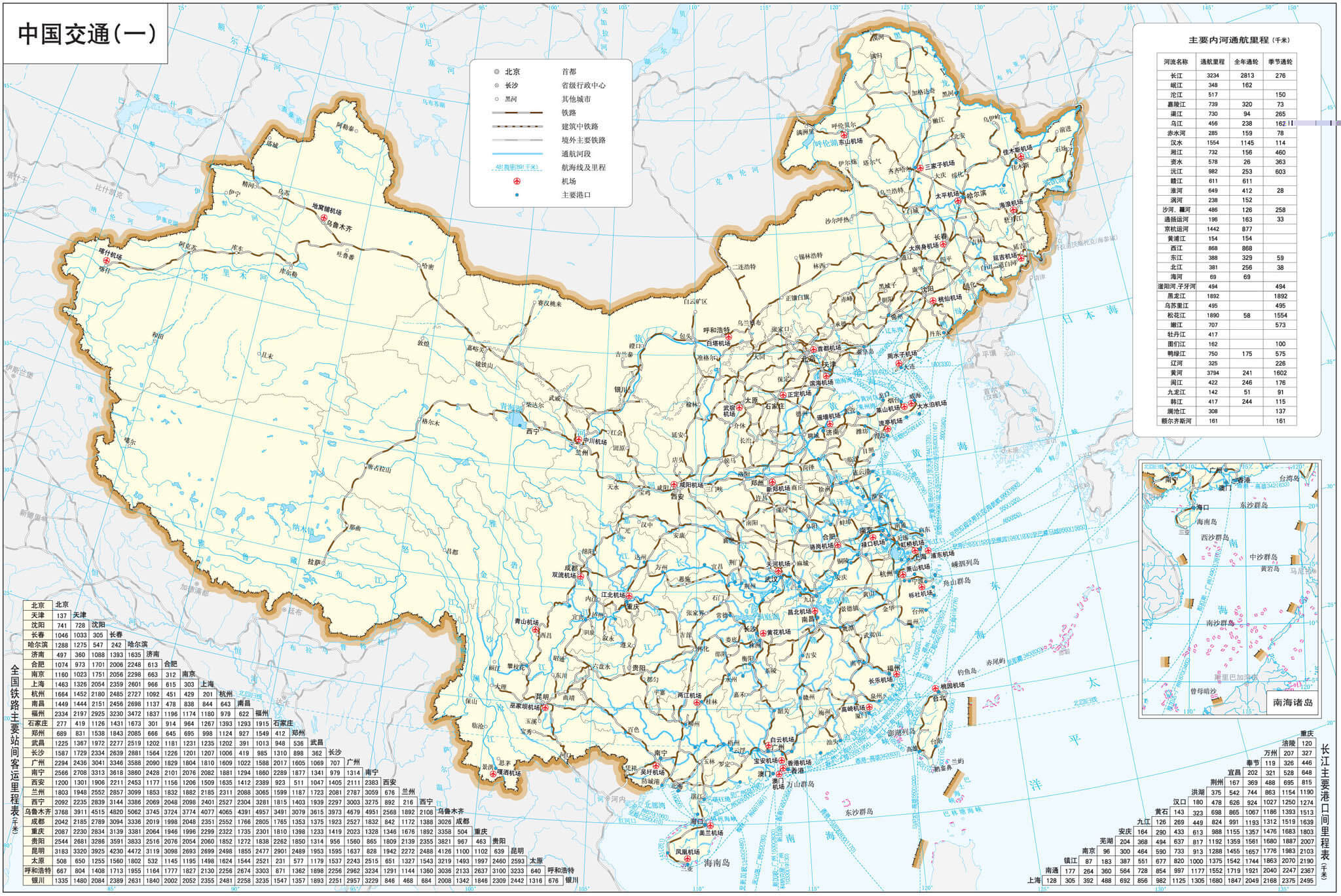
The unprecedented surge in travel was driven by the convergence of the Qingming festival and spring breaks at various schools. This overlap fueled a massive spike in demand for ancestral worship, family visits, study tours, and spring tourism, keeping passenger volumes consistently high throughout the break. As the holiday wound down, the national railway network entered a peak return phase.
Regional hubs saw significant activity to accommodate the rush. In the southwest, Sichuan experienced a new wave of travel peaks following the spring festival season. Meanwhile, the Yangtze River Delta region planned 223 additional trains to handle the return flow, and the Greater Bay Area’s “one-hour living circle” demonstrated its efficiency in moving passengers quickly across the region. Similarly, the Southern Railway added 304 extra trains to assist travelers during the return peak.
To enhance the passenger experience, several railway bureaus introduced themed services. The Shanghai Railway Bureau upgraded its onboard catering, offering seasonal spring delicacies such as qingtuan, toon sprouts with eggs, and gardenia cloud bud milk tea. In other regions, the Nanchang Railway Bureau operated special flower-viewing trains connecting scenic spots like Gutian and Wuyi Mountain, while the Guangzhou Railway Bureau added 163 short-to-medium distance trains to support local tourism around Shenzhen, Guangzhou, and Changsha. To streamline travel, the Chengdu Railway Bureau increased train frequency at Tianfu and Shuangliu airport stations to improve air-rail transfers.
Data from the 12306 ticketing system highlighted the most congested corridors. On April 5, top departure cities included Beijing, Shanghai, Hangzhou, Guangzhou, Chengdu, Nanjing, Wuhan, Chongqing, Shenzhen, and Xi’an. The most popular destinations were Chengdu, Shanghai, Guangzhou, Beijing, Hangzhou, Shenzhen, Nanjing, Wuhan, Suzhou, and Zhengzhou. High-traffic routes specifically included Xi’an to Chengdu, Beijing to Nanjing, Beijing to Shanghai, Jinan to Beijing, and round trips between Changsha and Wuhan, as well as Guangzhou and Hong Kong.
In the capital, Beijing saw 911,000 passengers depart and 508,000 arrive on April 4. By April 5, the Beijing Railway Bureau handled approximately 1.19 million passengers, with 495,000 departing and 560,000 arriving in the city. To manage this, 38 pairs of additional trains were deployed toward cities including Shenyang, Dalian, Taiyuan, Wuhan, Zhengzhou, and Shijiazhuang.
For those still traveling on April 6 and 7, officials noted that tickets remain available for several key routes. Sufficient capacity exists for travel between Shanghai and Beijing, as well as Shanghai to Wuhan and Wenzhou, Guangzhou to Nanning, Xi’an to Chengdu, Beijing to Qingdao, and Shenzhen to Changsha. Limited availability remains for routes such as Chengdu to Kunming, Hefei to Wenzhou, and Beijing or Xining to Xi’an.
The massive scale of this holiday movement underscores the critical role of China’s rail infrastructure in managing seasonal migration and the growing trend of combining traditional holidays with academic breaks.
