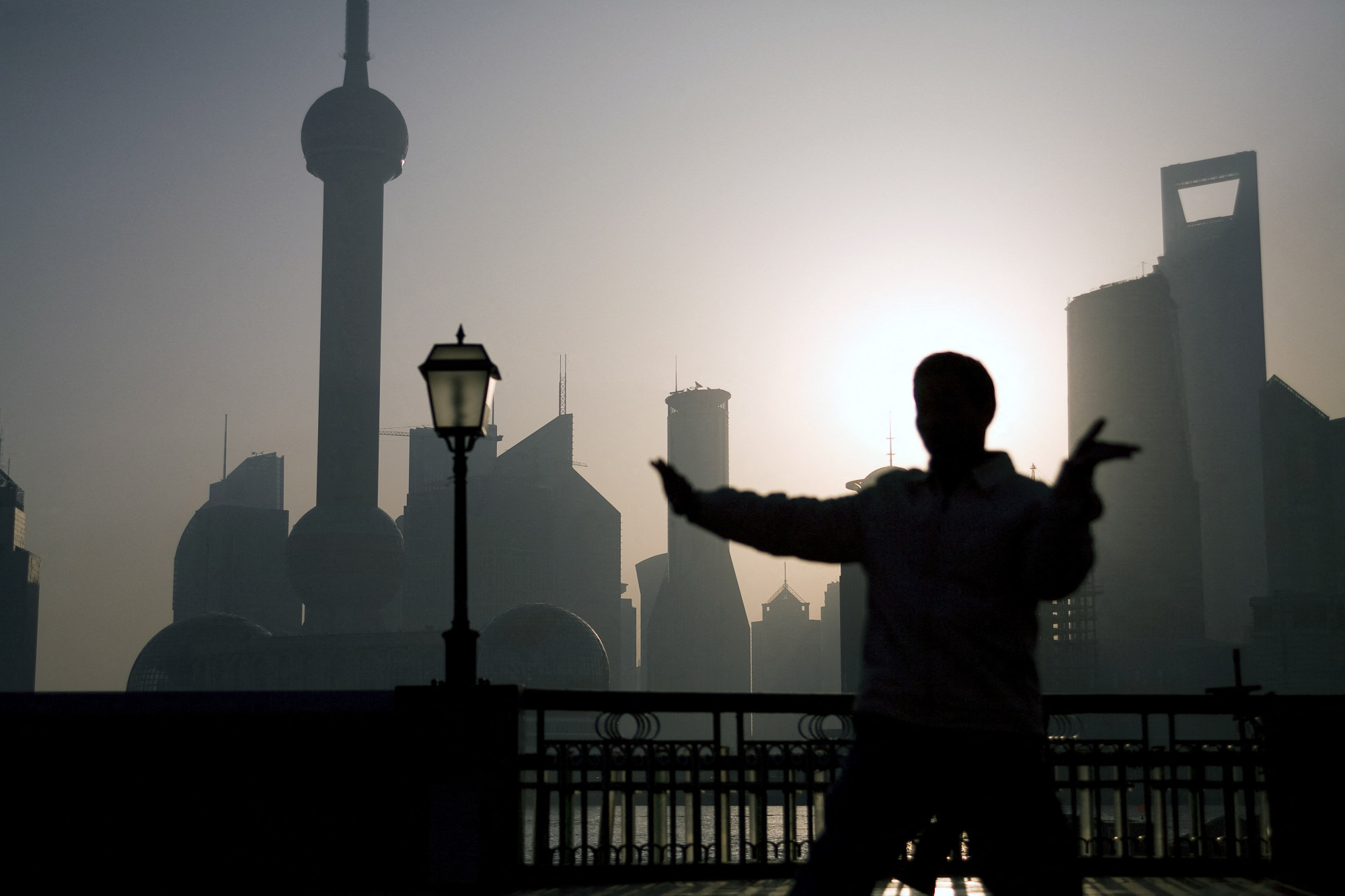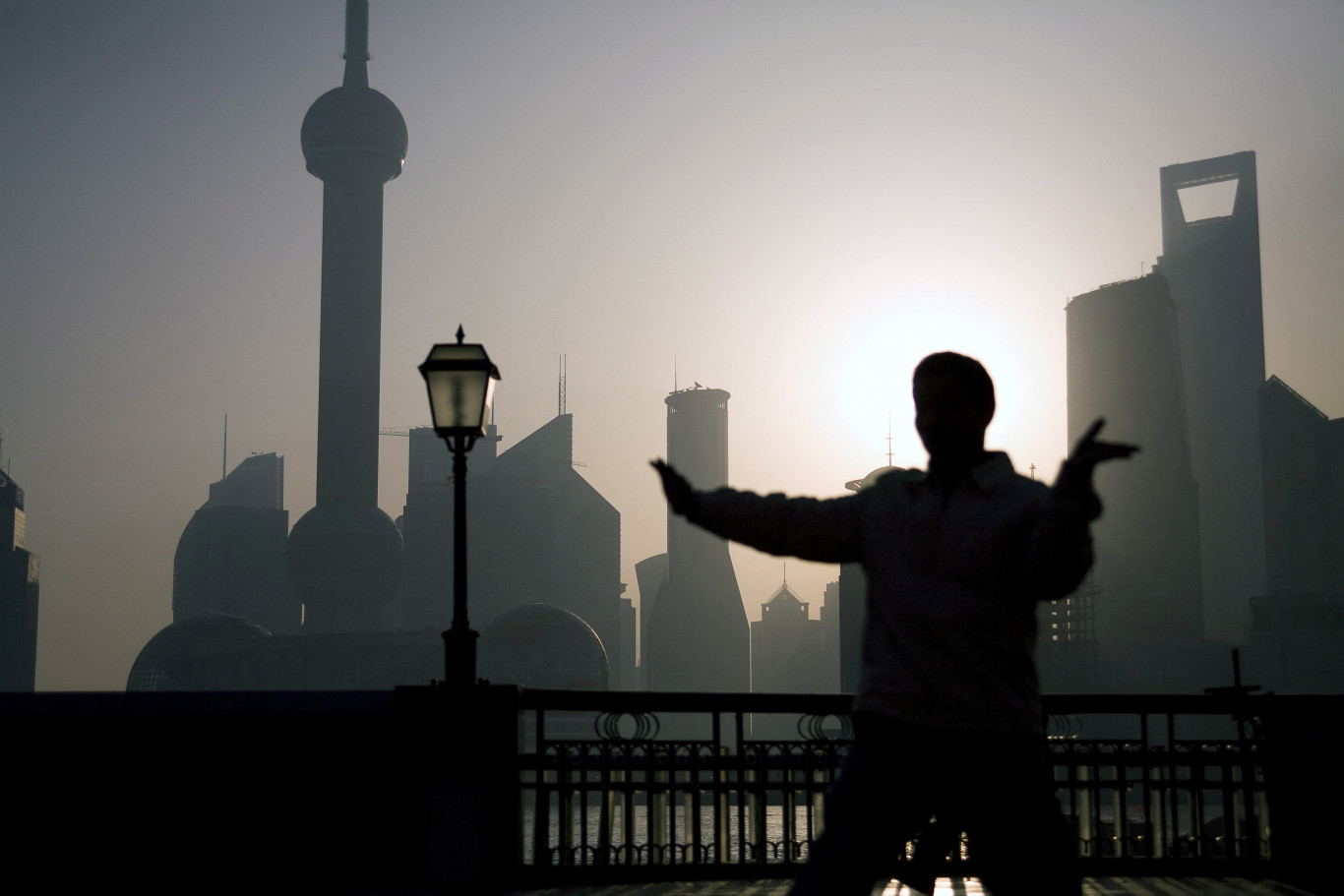
” title=”Have you noticed that a lot of people online are feeling “Chinese”? Videos captioned “You met me at a very Chinese time in my life” have gone viral on Instagram and TikTok. It’s being seen as major shift from how Chinese culture has been perceived in the past. By Madeline Lo-Booth, Asia News Week #ABCNews #Chinamaxxing #China #InternetCulture #ABCAsiaNewsWeek” class=”_178jtiz0 ta3a4c106 ta3a4c1fx _18sscesb”>
A growing online trend dubbed “Chinamaxxing” reflects a broader cultural shift, as China gains prominence in global online spaces. This phenomenon isn’t emerging in a vacuum; it follows a pattern seen previously with the increasing influence of Japanese and South Korean culture worldwide. Over recent months, Chinese video games, films, fashion, and internet trends have garnered increased attention in Western markets. The Paris Fashion Week, for example, showcased clothing and accessories inspired by Chinese aesthetics, even as items like Labubuk and Adidas jackets in traditional styles have develop into popular on social media.
The trend gained further momentum with visits to China by prominent online content creators, Hasan Piker and ISHOWSPEED, who broadcast their experiences from major cities like Shanghai and Chongqing to millions of viewers. These broadcasts resonated widely across both American and Chinese social media platforms. During an interview, Piker explained the appeal of China from a generational perspective.
“Life gets worse every year. I’m getting an Applebee’s cheesy burger that you dip in a bowl of melted cheese. But those pleasures aren’t enough to not notice that things aren’t okay. Then I open TikTok and suddenly I see a video of Chongqing. There are trains everywhere, and it’s a stunning city.”
– he said.
Experts suggest that “Chinamaxxing” is as much about the United States as it is about China. Underlying the trend is a sense of dissatisfaction among Americans with political turmoil, gun violence, racial tensions, stricter immigration policies, a healthcare system in crisis, and a general feeling that the United States has lost its former confidence and “coolness.” Chinese content often doesn’t become appealing in isolation, but rather as an alternative: showcasing high-speed rail, densely populated yet functional cities, technological advancements, electric vehicles, and green energy. This growing interest in Chinese advancements comes as global investors increasingly focus on sustainable infrastructure and technological innovation.
However, a CNN report notes that “Chinamaxxing” is often more performative, with most participants not engaging in a deep understanding of the complexities of Chinese society. The trend often overlooks the realities of lower wages, political repression, censorship, social inequalities, and the everyday challenges that persist alongside technological progress.
The trend has too taken on a political dimension. Supporters praised Piker’s China streams for bringing the average Chinese person closer, while critics accused him of inadvertently serving China’s soft power interests – the effort to translate cultural appeal into political influence. Research indicates that American public opinion remains deeply divided on how to approach China, with some viewing it primarily as a security, economic, and geopolitical threat, while others are developing a more nuanced perspective through everyday culture and online content.
” title=”Have you noticed that a lot of people online are feeling “Chinese”? Videos captioned “You met me at a very Chinese time in my life” have gone viral on Instagram and TikTok. It’s being seen as major shift from how Chinese culture has been perceived in the past. By Madeline Lo-Booth, Asia News Week #ABCNews #Chinamaxxing #China #InternetCulture #ABCAsiaNewsWeek” class=”_178jtiz0 ta3a4c106 ta3a4c1fx _18sscesb”>
Shaoyu Yuan, a researcher of Chinese soft power based in New York, noted that the popularity of “Chinamaxxing” on TikTok is not accidental. While the platform’s algorithm remains opaque, he suggests it may operate on multiple levels, simultaneously undermining the authority of the American narrative by highlighting the United States’ operational shortcomings and making China appear more attractive. Other observers, however, caution against reading too much strategic logic into the phenomenon. Yi-Ling Liu, a tech journalist, believes the trend reflects deeper internal anxieties and is primarily about Americans viewing their own country differently.
According to a Washington Post analysis, the picture is more nuanced regarding soft power, as most Americans aren’t starting to watch Chinese films, adopting the worldview of the Chinese Communist Party, or learning traditional Chinese values. While a portion of the younger generation is more open to socialism, Americans overall remain more distrustful of communism than they were a century ago.
“Chinamaxxing” resonates because China remains a foreign and distant world for many Americans. It’s particularly telling that the trend centers around traditional Chinese medicine, which speaks more to American insecurities than to China’s cultural influence. The phenomenon gains traction as alternative health movements grow in the United States and trust in conventional healthcare declines. TikTok – where “Chinamaxxing” is particularly popular – is also a hub for health culture, with influencers promoting various methods and products purported to improve well-being. “Becoming Chinese” here often translates to general wellness advice, rather than language learning or deeper cultural understanding.
Fotó: XIE BAOSHENG/Imaginechina via AFP
The report suggests that “Chinamaxxing” demonstrates China’s inability to establish genuine cultural appeal. As Chinese cultural products haven’t achieved widespread global popularity, followers of the trend are likely to move on.
many find “Chinamaxxing” problematic. Cherie Wong, a Hong Kong-Canadian activist, criticized the trend for oversimplifying the extremely complex reality of Chinese identity. She warned that while “being Chinese” has suddenly become trendy in 2026, many forget that Chinese history also includes trauma, political violence, and oppression.
“My family’s history had a ‘very Chinese era’ where my grandparents saw all their teachers executed for being intellectuals.”
Wong told NPR she fears that even well-intentioned influencers genuinely interested in Chinese culture may inadvertently echo official state narratives.
Despite these concerns, the phenomenon may have positive aspects. “Superficial trends can sometimes be the easiest entry point, because cultural rivalry and geopolitical competition force people into defensive positions,” Yuan told NPR. “Lifestyle content and memes can reduce tension. This is critical because dialogue usually begins with familiarity, not disagreement.” Given the long-standing anti-China sentiment and geopolitical tensions, it remains to be seen how long “Chinamaxxing” will last and whether it truly signals a more Chinese future. While internet trends are fleeting, they can, at least temporarily, create a digital bridge between two often-opposing worlds. (CNN, Washington Post, NPR)
Kapcsolódó cikkek