
China’s AI Chip Sector Hits Record Revenue as Domestic Adoption Climbs to 41%
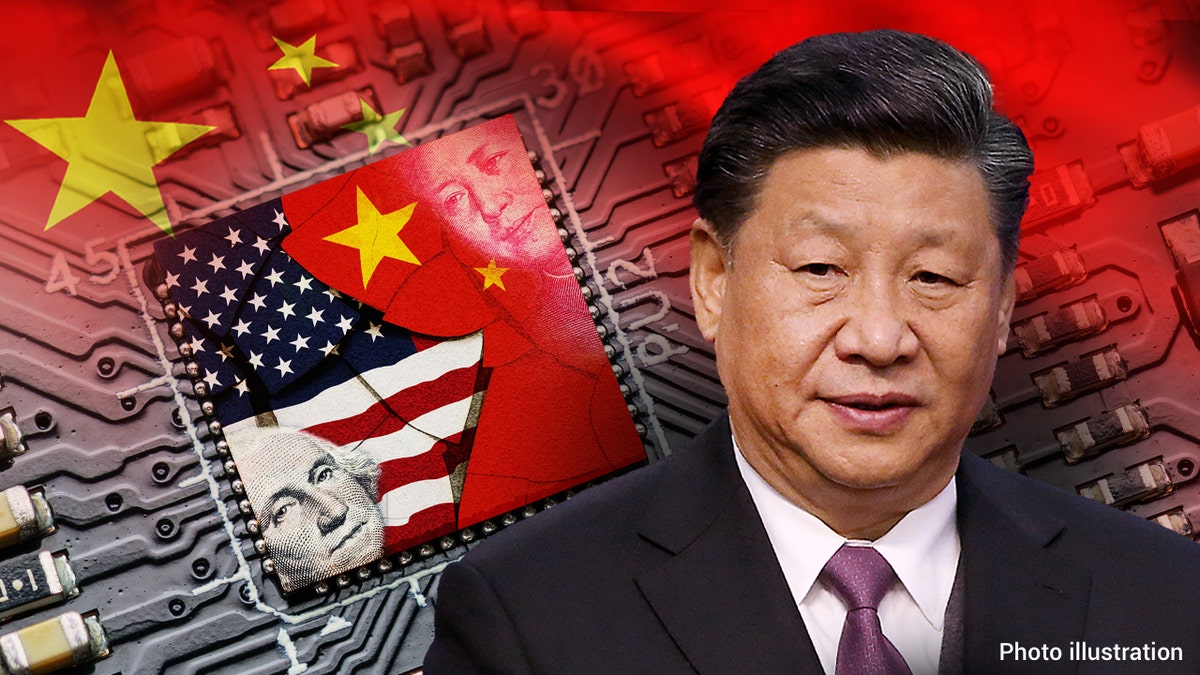
China is aggressively accelerating its push for technological sovereignty, with domestic chipmakers reporting the highest revenue in their history as local hardware begins to displace global leaders in the artificial intelligence sector. Recent data indicates that local Chinese chips now command 41% of the AI market, signaling a significant shift in the region’s hardware ecosystem. This surge in domestic adoption comes as Chinese chip manufacturers achieve record-breaking financial performance.

This internal growth is unfolding alongside a complex and transactional trade relationship with the United States. On December 8, 2025, President Donald Trump announced that the U.S. Would permit Nvidia to ship its H200 AI chips to approved customers in China, provided the U.S. Government receives a 25% cut of the sales. According to a post on Truth Social, Chinese President Xi Jinping responded positively to the proposal. This follows an earlier August agreement where Nvidia and AMD agreed to share 15% of their China-based revenue with the U.S. Government. The move comes as the Department of Commerce finalizes details for a similar approach involving Intel and other American firms.
Despite these tactical openings for U.S. Hardware, Beijing remains committed to a long-term strategy of strategic autonomy. President Xi has issued a mandate to ensure China does not rely on an American tech stack, leading the Communist Party to invest heavily in indigenous capabilities. This ambition is backed by massive fiscal allocations, with science investments projected to reach Rp 1,051 trillion by 2026. The scale of this investment underscores China’s intent to strengthen its global technological dominance while other major powers are preoccupied with regional conflicts.
The geopolitical stakes extend beyond commercial revenue, as China integrates these cutting-edge technological breakthroughs into its broader national security framework. Reports indicate that Xi Jinping is positioning China to challenge the U.S. Through a combination of AI and military advancements.
While the U.S. Continues to leverage its high-end hardware as a diplomatic and financial tool—including discussions regarding Nvidia’s “super-duper” Blackwell chips in October 2025—the trend toward Chinese self-reliance is accelerating. The divergence between short-term trade agreements and long-term strategic goals highlights the ongoing volatility in the global semiconductor market.
