
Chinese researchers have achieved a breakthrough in the treatment of serious diseases with the development of a highly effective mitochondrial transplantation therapy. The new approach allows for the safe and efficient transplantation of healthy mitochondria into cells and tissues, potentially offering new hope for conditions like Parkinson’s disease.
Published recently in the journal Cells, the study details a novel strategy in the field of regenerative medicine, shedding light on potential interventions for challenging diseases caused by mitochondrial dysfunction, including mitochondrial genetic disorders and neurodegenerative diseases. This research underscores the critical role mitochondria play in overall health and disease progression.
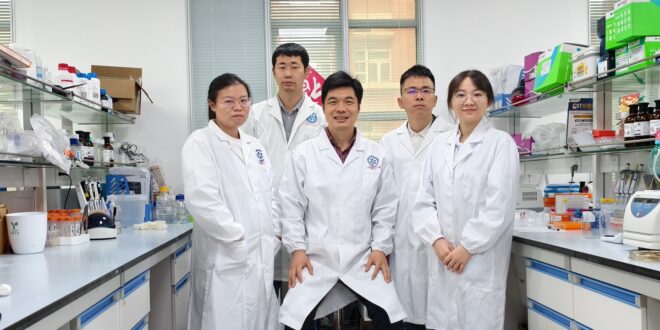
A research team from the Guangzhou Institute of Biomedicine and Health under the Chinese Academy of Sciences, Guangzhou Medical University, and other institutions, utilized red blood cell membrane vesicles – shaped like “capsules” – to encapsulate healthy mitochondria. These mitochondrial capsules measure just a fraction of a millimeter in diameter.
According to the study, these capsules not only protect the mitochondria but also help them bypass cellular defense systems, successfully entering cells and merging with existing mitochondria to ensure long-term survival. This targeted delivery system is key to the therapy’s effectiveness.
Notably, the transplanted mitochondria don’t remain isolated within the cell. Instead, they actively integrate into the cell’s internal mitochondrial network, contributing to the restoration of functional balance by compensating for metabolic disturbances and cellular deficiencies.
Researchers tested the therapy on cells from patients with various mitochondrial DNA mutations, containing both healthy and dysfunctional mitochondria. Following successful transplantation of healthy mitochondria, the proportion of dysfunctional mitochondria within the cells significantly decreased, and cellular energy metabolism – previously impaired – was rapidly restored, helping to correct genetic defects.
The team also created multiple animal models of disease, including Parkinson’s disease, Leigh syndrome, and mitochondrial DNA depletion syndrome.
In a mouse model of Parkinson’s disease, delivering mitochondrial capsules to affected areas of the brain effectively halted ongoing neuronal death, restored normal mitochondrial function, and significantly improved motor abilities, bringing them close to normal levels.
In mouse models with mitochondrial-related genetic diseases, the new treatment substantially extended the lifespan of sick mice and reduced multiple organ failures.
The study suggests that healthy organelles, including mitochondria, could potentially be used as a form of medicine, delivered directly to patients to repair damaged tissue and organ function. This approach could open new avenues for treating a wide range of debilitating conditions.
