

Understanding the ‘Cicada’ Variant: The Rise of Highly Mutated BA.3.2
A heavily mutated new strain of COVID-19, officially designated as BA.3.2 and nicknamed “Cicada,” is currently circulating globally and has been detected in at least 25 U.S. States. While overall COVID-19 infections are declining across the United States, public health officials are closely tracking this specific variant due to its unique genetic makeup and potential to bypass existing immunity.
The variant is a member of the Omicron family and is characterized by a significant number of mutations—between 70 and 75 in total. According to Andrew Pekosz, Ph.D., a virologist at the Johns Hopkins Bloomberg School of Public Health, the variant’s extensive genetic changes in its spike protein set it apart from other currently circulating strains. “It has a lot of mutations that may cause it to look different to your immune system,” Pekosz noted, explaining that these changes could potentially reduce the protection provided by previous infections or vaccinations.
This capacity for immune evasion has been highlighted in recent research. A study published in the journal Lancet found that current COVID-19 vaccines are less effective against BA.3.2 than they are against the dominant strains, although they still offer some level of protection. A report in the CDC’s latest Morbidity and Mortality Weekly Report suggests the “hyper-mutated” strain may be better able to escape immunity. Dr. William Schaffner, a professor of infectious diseases at Vanderbilt University, observed that “at the moment the conclusion seems to be there is this capacity for this new variant to evade some of the protections we have all acquired over the years.”
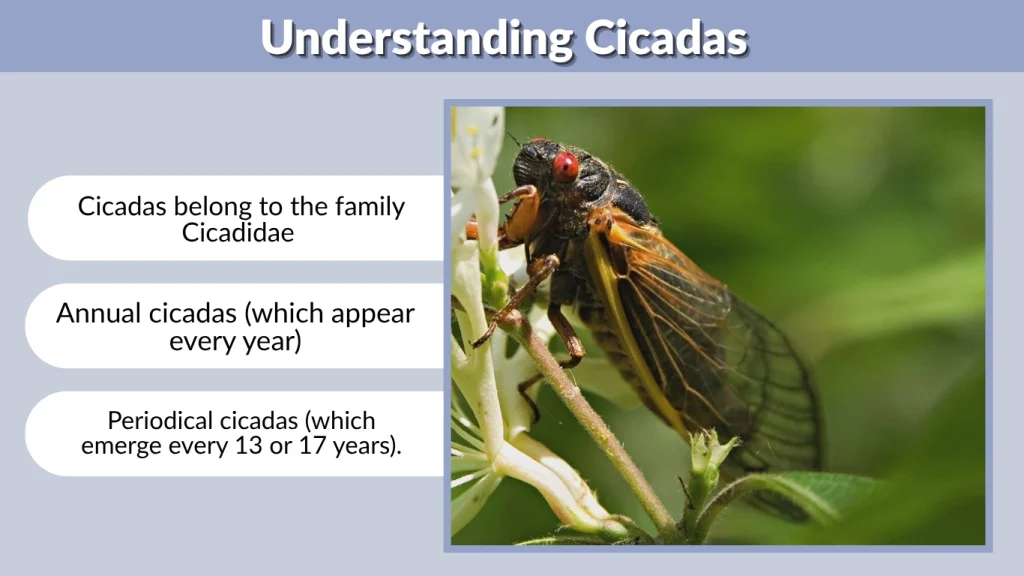
The variant’s trajectory is unusual, earning it the “Cicada” moniker from T. Ryan Gregory, Ph.D., a professor of evolutionary biology at the University of Guelph. Much like the insect, BA.3.2 first emerged in November 2024 but remained relatively dormant or “underground” before ramping up in several countries and the U.S. Last fall. Due to these characteristics, the World Health Organization classified BA.3.2 as a “variant under monitoring” in December 2025.
Regarding its spread, the CDC reported that as of February 11, 2026, the variant has been detected in 25 U.S. States and at least 23 countries. Although, it has not yet become the dominant strain. Dr. Schaffner noted that it remains to be seen whether the variant will “push itself to the front of the line.”
Despite its mutations, there is currently no evidence that the Cicada variant is more dangerous than previous versions of the virus. Dr. Celine Gounder, editor-at-large for public health at KFF Health News, stated, “We haven’t seen evidence of this variant causing more severe disease or an increase in hospitalizations elsewhere.” Nationally, the CDC reports that hospitalizations, emergency visits, and case rates are trending downward, although regional variations exist; Florida and Massachusetts are estimated to be likely seeing an increase in cases.
Public health experts continue to monitor the situation, as the emergence of such variants underscores the ongoing challenge of viral evolution. Those experiencing symptoms—which include fever, cough, congestion, sore throat, and shortness of breath—should follow standard health guidelines.
