
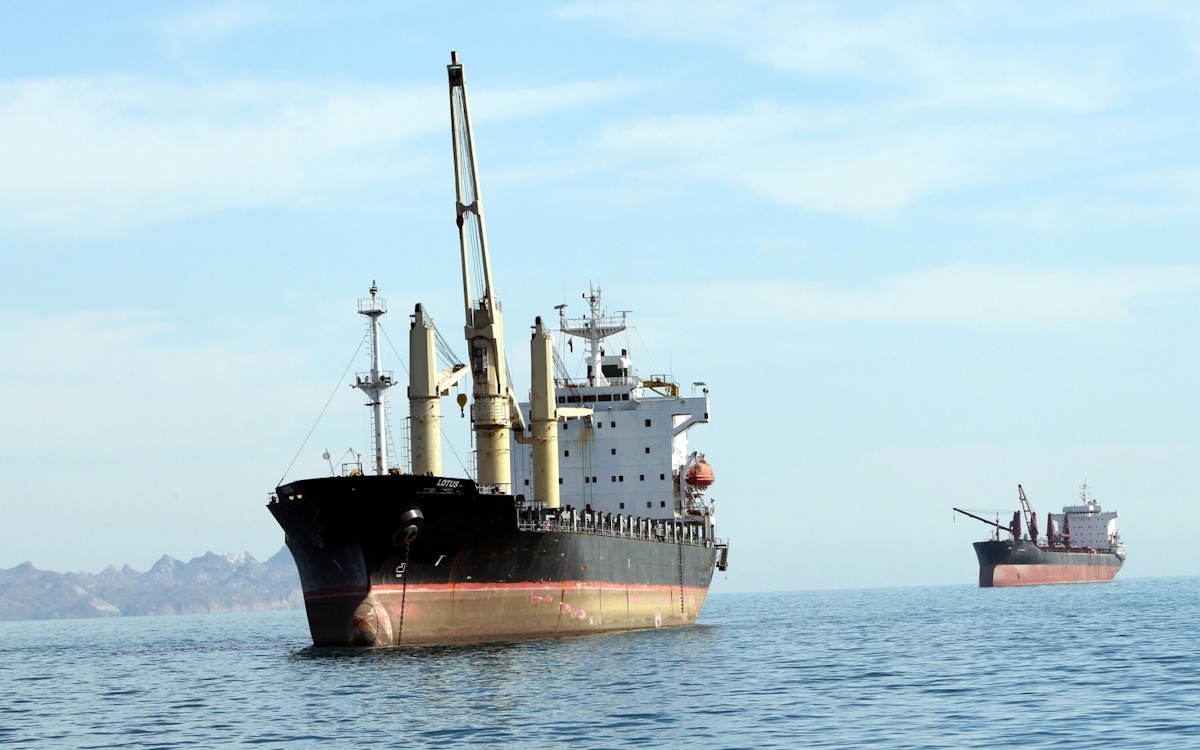
A prolonged disruption to shipping through the Strait of Hormuz could significantly impact Poland’s economy, potentially triggering inflation, weakening the złoty, and increasing the risk of recession, according to a new analysis by Allianz Trade.
Experts warn that if the critical waterway remains blocked for more than three months, the initial price shock could evolve into a structural disruption, exacerbating economic vulnerabilities. Each additional week of closure intensifies recessionary pressures as reserves dwindle and supply shortages worsen.
Poland is identified as one of the most at-risk nations, due to what analysts describe as a “triple deficit” – a combination of a budget deficit, a current account deficit, and a structurally negative energy balance. This combination makes the country particularly susceptible to economic slowdowns.
The analysis, which comes amid ongoing tensions in the Middle East, highlights the broader risk of recession for several emerging economies. Beyond Poland, Bangladesh, Egypt, Ethiopia, Jordan, Kenya, Morocco, Pakistan, Romania, Sri Lanka, and Tunisia are also considered highly vulnerable.
Other economies face a moderately high risk of recession, possessing greater capacity to support their economies – including Chile, China, Hungary, India, the Philippines, Taiwan, Thailand, and Turkey. Meanwhile, major commodity exporters like Brazil and Mexico appear structurally resilient despite budgetary deficits, as energy exports mitigate the impact of higher prices.
The crisis is also contributing to increased inflationary pressure. Following the escalation of tensions, market inflation expectations in Poland rose sharply, with the yield curve increasing by 34 basis points in a short period.
Allianz Trade estimates that inflation in emerging markets, including Poland, could rise by an additional 0.8 to 1.0 percentage points, primarily due to rising energy prices and imported inflation – the increase in the price of goods and services due to higher prices of imported products, raw materials, or semi-finished goods.
The Polish złoty has also reacted negatively, weakening against the U.S. Dollar by 4.9% between February 27 and March 13, 2026. Analysts attribute this to Poland’s high dependence on energy imports and capital flight towards safer assets.
Financing costs for debt have also increased. The yield on Polish 10-year government bonds rose by 83 basis points, reflecting a higher risk premium and deteriorating investor sentiment towards the Central and Eastern European region.
Even as emerging European markets are generally considered relatively resilient to shocks from the Middle East, Poland holds strategic oil reserves equivalent to approximately 121 days of consumption, which could partially buffer short-term supply disruptions.
Analysts also point to growing pressure on public finances. Poland’s public finance sector deficit is around 6.3% of GDP, and potential support measures, such as energy subsidies, could further worsen the fiscal situation.
According to Allianz Trade, a prolonged crisis in the Strait of Hormuz increases the risk of a stagflationary scenario in Poland, combining slowing economic growth with persistent high inflation.
Adam Bąkowski/PAP
Wszystkie najnowsze artykuły znajdziesz na wPolityce.pl/najnowsze. Nie przegap!
