
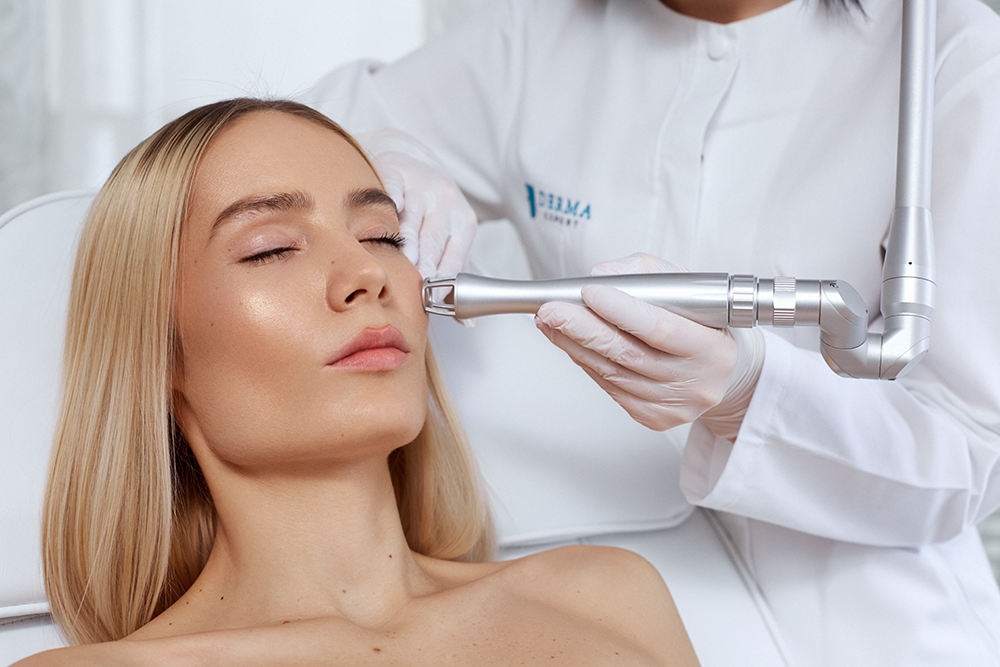
For many, the idea of laser skin resurfacing evokes images of painful procedures and lengthy recovery times. However, advancements in technology are changing that perception. Carbon dioxide (CO2) lasers are continuing to be a recommended treatment by specialists for a variety of skin concerns, from acne scars to deep wrinkles and loss of skin firmness, and modern protocols are making the process more controlled and comfortable than ever before.
A key takeaway is that CO2 laser treatments aren’t one-size-fits-all. The procedure can be tailored to address specific skin needs. At Derma Expert by Elos, patients can find support for their individual skin concerns.
How CO2 Lasers Work
The effectiveness of CO2 lasers lies in their method of action. This isn’t simply a surface-level treatment.
The laser precisely removes damaged layers of skin while simultaneously delivering energy deep into the tissue. This stimulates collagen production, essentially prompting the skin to regenerate from within. This process is important since collagen is a key protein for maintaining skin elasticity and a youthful appearance.
The results aren’t immediately final; they continue to evolve over the following months. Skin becomes more even-toned, firmer, and gains a renewed radiance.
A Treatment Tailored to Each Age
A common misconception is that CO2 laser treatments are solely for addressing wrinkles. In reality, the procedure is versatile and can be adapted for different age groups and concerns.
In your 20s, the primary focus is often on addressing acne scars, enlarged pores, or uneven skin texture. Treatments at this age are designed to rebuild and smooth the skin, sometimes combined with deeper tissue treatments.
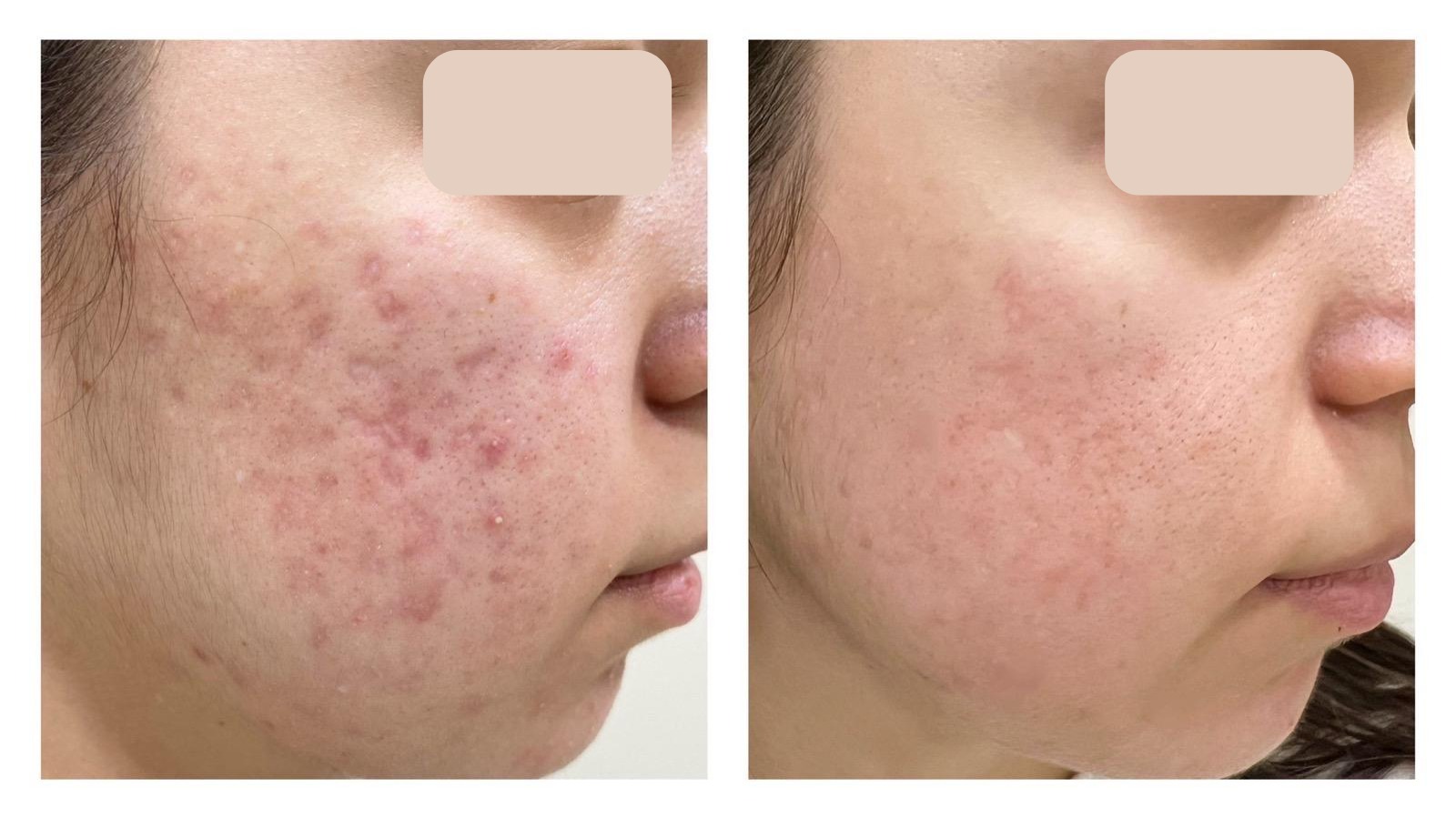
Before & after – 21 years old
Around age 30, subtle changes begin to appear, such as fine lines and a decrease in the skin’s ability to regenerate. The area around the eyes may also show signs of fatigue. CO2 lasers can both correct these early signs of aging and act as a preventative measure, and in some cases, can even provide a non-surgical lifting effect in the eyelid area.
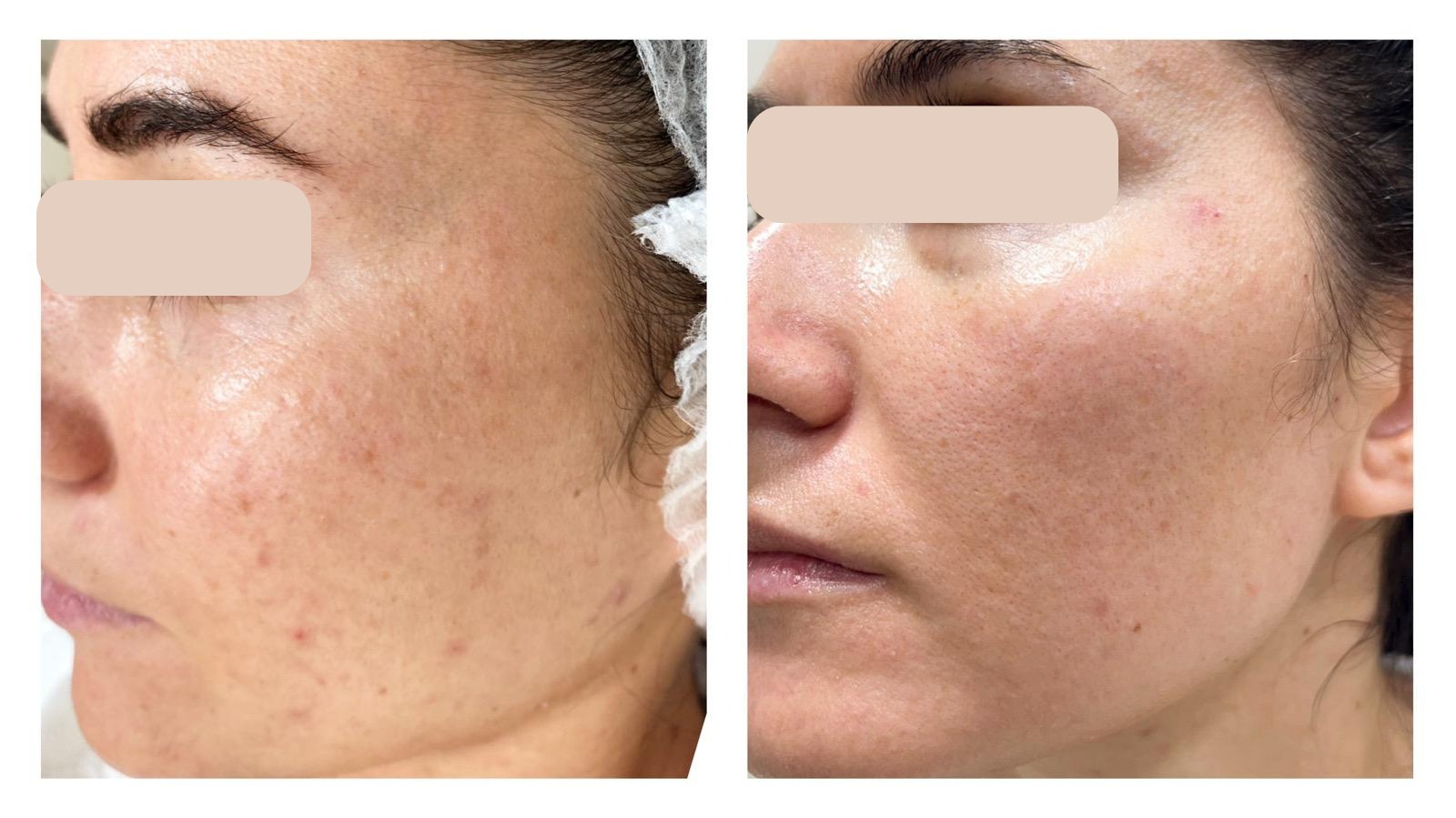
Before & after – 34 years old
After age 40, more noticeable signs of aging appear, including deeper wrinkles, decreased elasticity, and uneven skin texture. Here’s when the treatment can demonstrate its full potential, with visible results and a strong response from the skin to collagen stimulation.
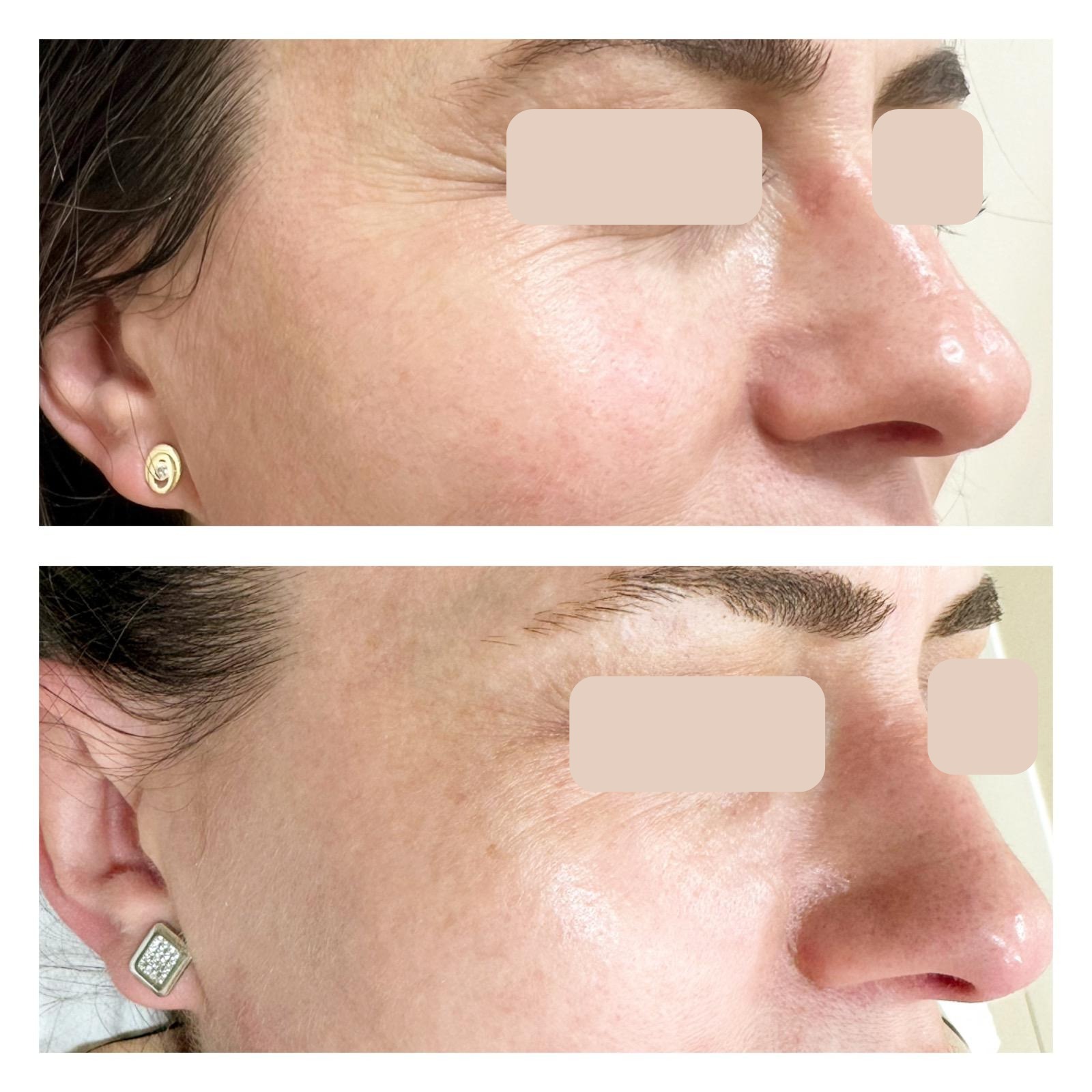
Before & after – 45 years old
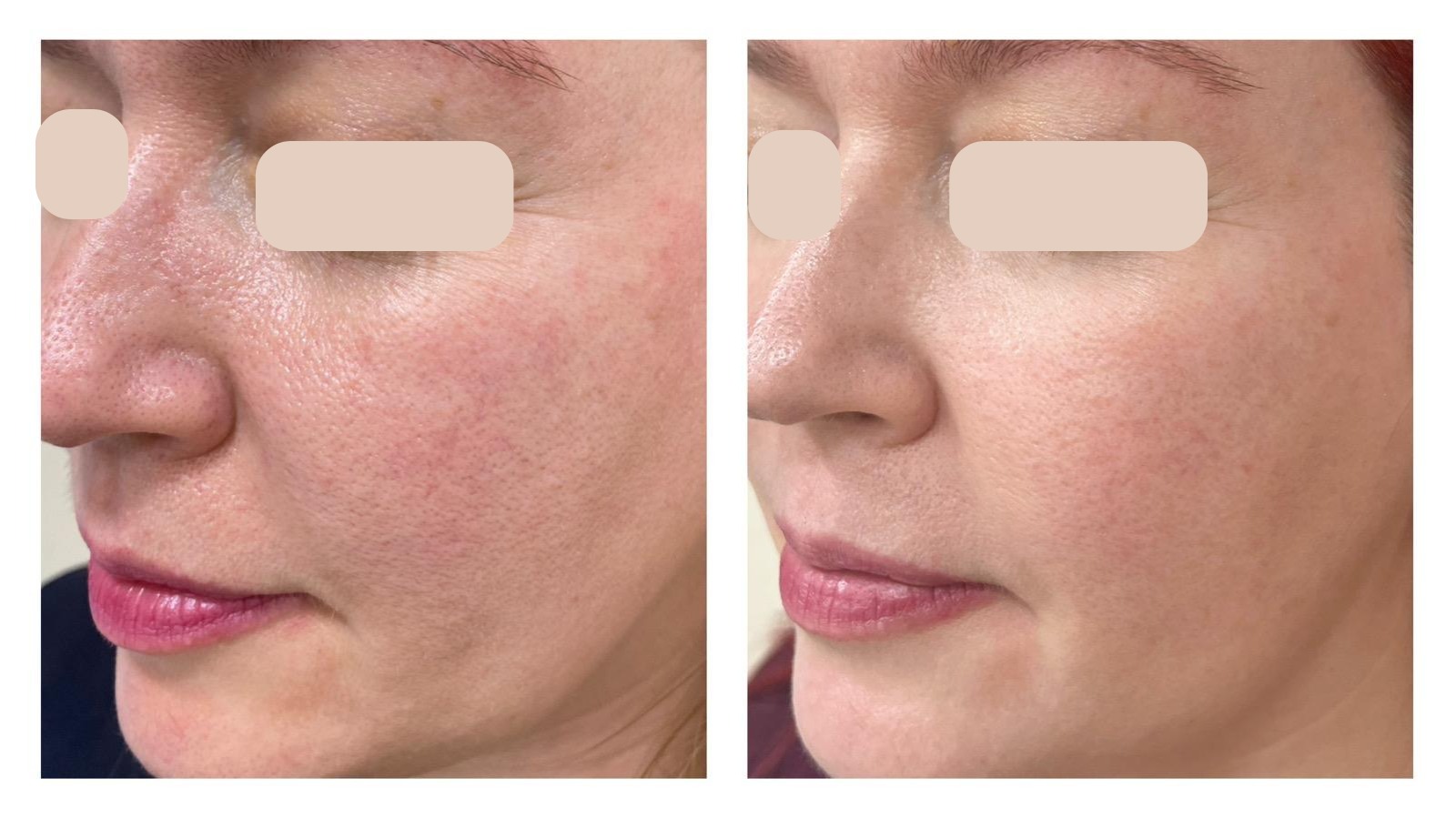
Before & after – 43 years old
Even after age 60, the laser remains a valuable option, often integrated into a more comprehensive plan alongside other procedures for overall rejuvenation.
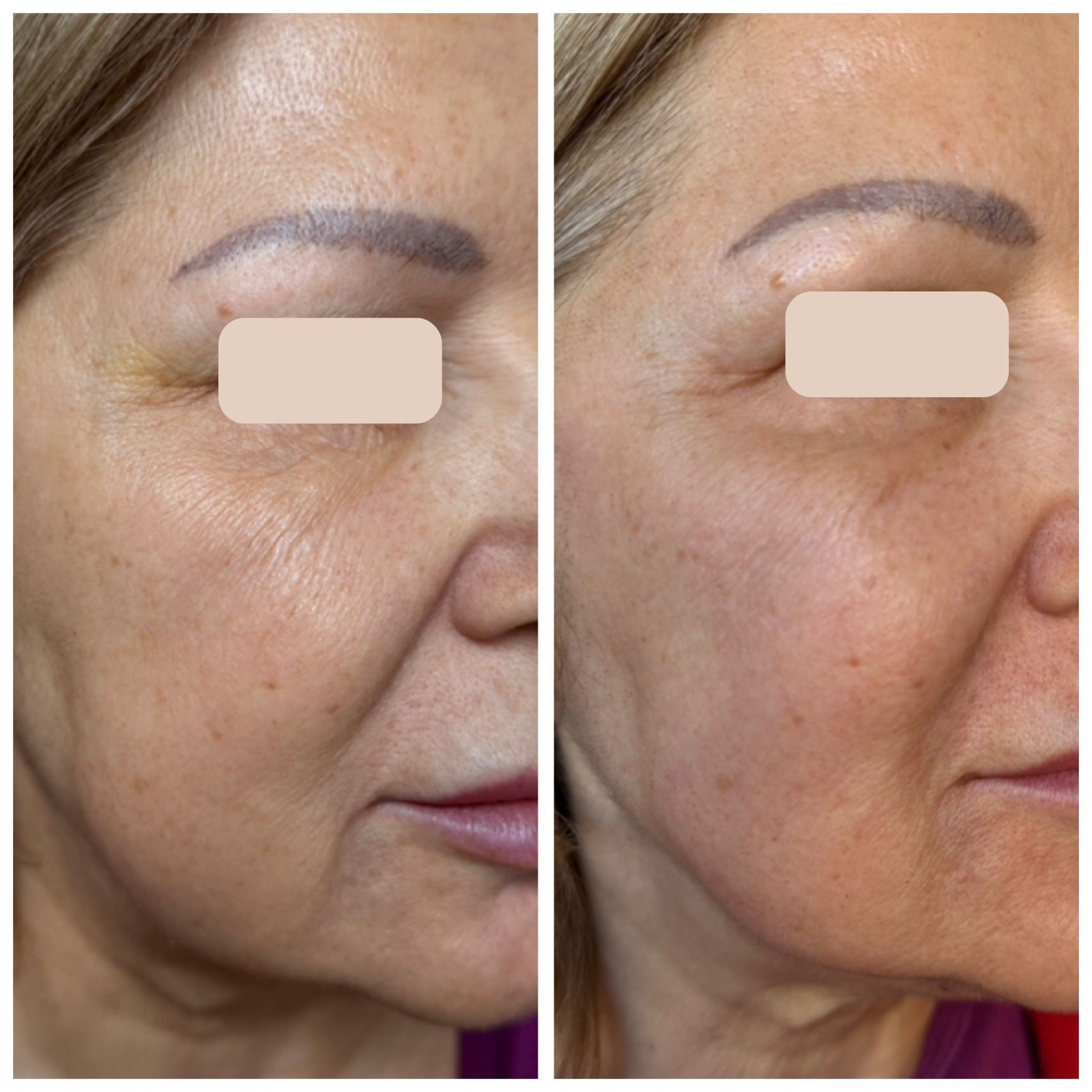
Before & after – 53 years old
What Can It Correct?
CO2 laser treatment is one of the most effective options for addressing collagen loss.
This includes: scars (post-acne, post-surgical, post-burn), wrinkles, enlarged pores, loss of firmness, and uneven skin texture.
Addressing Concerns About Discomfort and Recovery
One of the biggest barriers to choosing this treatment is fear. Many patients imagine a painful procedure and a difficult recovery. In reality, the experience is more controlled than it appears.
Before treatment, a numbing cream is applied, and during the procedure, discomfort is significantly reduced with air-cooling systems. The sensation is often described as intense heat, rather than pain.
After the procedure, the skin is typically red and mildly swollen—a normal response. The first few days are the most intense, and doctors usually recommend a few days of social downtime. Within about a week, the skin goes through the main healing process, and regular activities can be gradually resumed.
Post-procedure protocols also play a crucial role. Applying therapies like PRP, polynucleotides, or other regenerative substances can accelerate healing and significantly improve final results.
Continued Improvement After Healing
One of the most interesting aspects of the treatment is that the results don’t stop once the skin has healed.
Collagen production continues for months after the procedure. This means the skin continues to improve, becoming progressively firmer and more even-toned.
Depending on the goal, multiple sessions may be necessary—especially for scars. For rejuvenation, sometimes a single annual session or a short protocol followed by maintenance is sufficient.
Frequently Asked Questions, Explained by Dr. Ioana Pescaru, specialist at Derma Expert by Elos
1. How do you personalize CO2 laser treatment based on the patient’s age and skin problem? For example, how do the procedure parameters differ for a 25-year-old with post-acne scars compared to a 50-year-old who wants rejuvenation and improved skin elasticity?
The settings for a patient with post-acne scars are usually the most aggressive we apply, working both with a depth mode to stimulate collagen production in atrophic areas, but also with a surface mode to level the edges of the scars, which means more intense exfoliation. We also often combine it with subcision to eliminate fibrosis underneath or with TCA CROSS peeling, a special technique for deep and narrow scars.
In older patients, we most often work with the depth mode to strongly stimulate collagen production, which does not necessarily mean intense exfoliation, but may mean greater edema for patients, especially when targeting areas such as the periocular area.
Combining the CO2 laser with the topical solution Preime based on polynucleotides will accelerate the healing process and significantly enhance the results of the treatment, clinical studies clearly indicating their contribution to achieving the best results.
2. What does the patient feel during the procedure and what methods do you use to reduce discomfort? Are there specific technologies or protocols that make the treatment more comfortable than the general perception of CO2 laser?
Patients generally stay for about 1 hour with occlusive anesthetic cream, but what helps most to reduce patient discomfort during the procedure, namely the burning sensation, is a very cold air device called Zimmer, which diffuses cold air onto the treatment area. There are more sensitive areas, such as the periocular or perinasal area, where it is more unpleasant for all patients, but the procedure becomes very comfortable when we associate this device with cold air, as confirmed by patients who have had the procedure previously and without it. Also, applying cold compresses and ice immediately after treating an area helps a lot.
3. What does the real recovery period look like after treatment? How long does redness or flaking last and how soon can the patient return to normal activities, such as going to the office or attending social events?
Recovery after CO2 laser lasts about a week, during which we may have redness (erythema), edema and pinpoint flaking that is initially white and then turns brown. In fact, the first 4 days post-procedure are more intense and patients are recommended to stay home, then they can resume their activities even if the healing process takes a few more days. However, intense physical activity should be avoided in the first week post-procedure, as well as hot baths or sauna. Intense sun exposure (beach, pool) should be avoided for a month post-procedure.
4. For what types of skin problems is the CO2 laser most effective? For example: post-acne scars, deep wrinkles, pigment spots, uneven texture or lack of elasticity.
The CO2 laser is used for any collagen loss, whether we are talking about scars, stretch marks or skin aging. All types of scars (post-acne, post-surgical, post-burn) are treated with this type of laser, especially if they are atrophic, deepened, being the most powerful laser that stimulates collagen production. In the case of patients with burns, it also helps a lot in increasing mobility where skin contractures occur. For hypertrophic or keloid scars, those in relief, the CO2 laser is combined with other procedures such as vascular laser or enzyme injections, corticosteroids.
If we talk about wrinkled skin, its effect is very strong both on skin tightening but also on subsequent collagen stimulation. Here we can combine it with skin boosters of type polynucleotides or PRP and other types of injectable procedures (hyaluronic acid, botox, biostimulators).
5. How many sessions are needed for visible results and how long do the effects of the treatment last? What can patients expect in the long term after completing the recommended protocol?
The discussion is different depending on what we are treating. When it comes to scars, the number of sessions is very variable, because scars are very variable in appearance, but on average we perform a minimum of 3 sessions at 6-week intervals, to observe the effects. The largest number of sessions is probably carried out in patients with burns.
When we talk about procedures performed for rejuvenation, sometimes we can perform only one session annually or a series of 2-3 consecutive sessions, performed at 6-week intervals, depending on the appearance of the wrinkles. In this case, given that we continue to lose collagen and elastin as we age, periodic maintenance sessions, at variable intervals, are very important.
In conclusion: it’s not about age, but about need
The CO2 laser isn’t a treatment “for a certain type of patient.” It’s a treatment that can be adapted—based on skin type, goals, and stage of life. And the real difference isn’t just the technology, but how it’s used. Because beyond the procedure, the final result is personal: how you feel in your own skin. If you are interested in the procedure, schedule an appointment HERE.
