
Winners, Losers and Surprises Emerge From Sunday’s Elections
Sunday’s elections in Colombia delivered a mix of expected outcomes, upsets, and shifts in the political landscape, setting the stage for a competitive presidential race in May. The results also signaled changes within the country’s legislative bodies.
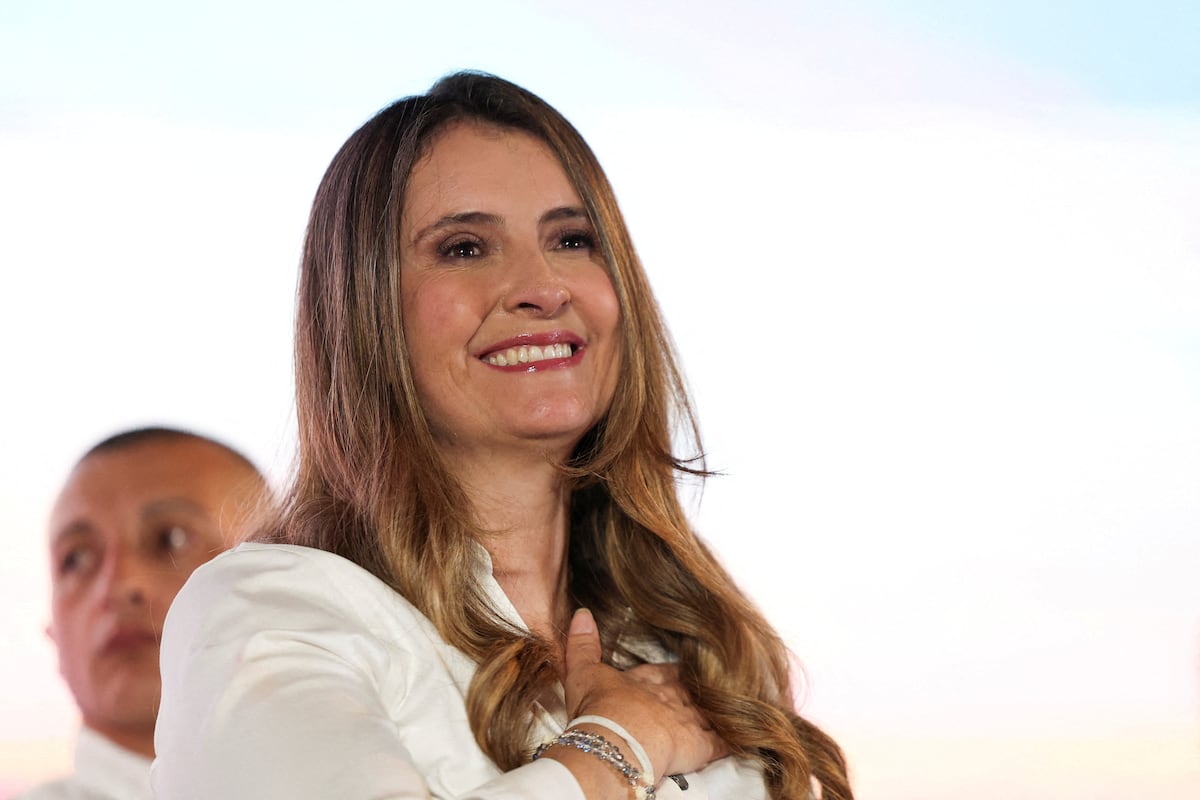
Paloma Valencia, representing the Uribista political movement, secured a decisive victory in the consultations with 45.7% of the vote, garnering over 3.2 million votes. Her strong showing positions her to challenge leftist Iván Cepeda and far-right candidate Abelardo de la Espriella in the first round of the presidential election, according to reports. Valencia easily defeated eight other contenders from the center-right, right, and far-right during the Gran Consulta.
In a surprising turn, Juan Daniel Oviedo, the former director of the National Administrative Department of Statistics (DANE), finished second in the Gran Consulta, exceeding expectations. He received more than 1.2 million votes – more than double the total for centrist Claudia López in the Soluciones Consulta and four times the number garnered by Roy Barreras in the Frente por la Vida. Analysts are calling his performance a political phenomenon, uniting support from both the center and the right.
Roy Barreras, a former senator, suffered a significant defeat, receiving less than 300,000 votes in the Frente por la Vida consultation, where he was surpassed by Daniel Quintero. This outcome makes it difficult for him to compete with Iván Cepeda, who won the Pacto Histórico consultation in October with over 1.5 million votes and is now directly headed for the first round.
The center-left also experienced setbacks. Claudia López’s narrow victory over Leonardo Huerta in the consultation garnered just over 500,000 votes, proving insufficient to revitalize the center’s presidential aspirations. Sergio Fajardo did not participate in the consultations.
The Pacto Histórico party, associated with President Petro, solidified its position in the Senate. The party and candidate Iván Cepeda received over 4 million votes and secured approximately 25 seats in the upper chamber, a significant increase from the 2.8 million votes and 20 seats it held four years ago. This success demonstrates the party’s growing influence. The Centro Democrático, its main opposition, also increased its vote share and gained 17 seats (compared to 13 in 2022). The centenarian Liberal Party secured its position as the third largest political force in the Senate, expected to obtain around 13 seats.
Several politicians with a strong social media presence and media coverage failed to secure seats in Congress. Among those who were unsuccessful were Angélica Lozano, Katherine Miranda, Inti Asprilla, Jorge Robledo, Juan Carlos Losada, José David Name, and Lina Garrido.
The far-right party Salvación Nacional surpassed the minimum threshold to enter the Senate, receiving nearly 700,000 votes. The party received support from presidential candidate Abelardo de la Espriella, who celebrated the election result, stating, “Today we achieved something extraordinary; despite the attacks and the smear campaign, today we have a bench,” according to reports. The party’s entry into the Senate marks a novel development in Colombia’s political landscape.
