
Study: Genetic Analysis Suggests COVID-19 Originated Naturally
Researchers Identify Viral Patterns Indicating No Lab Cultivation
Analysis of Virus Evolution Before and After Human Transmission Can Distinguish Lab-Grown Viruses
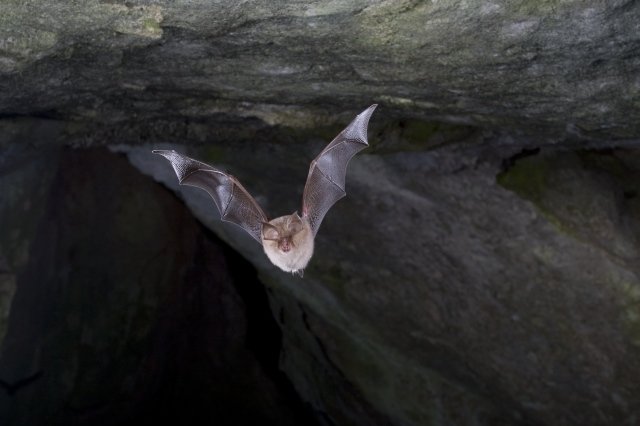
COVID-19 Showed No Signs of Lab Manipulation, Evolved from Bat Virus
‘Russian Flu’ H1N1 Reveals Potential Lab Leak Pattern
The origin of the virus that caused the global COVID-19 pandemic has been a subject of intense debate among scientists in recent years. Now, researchers have developed a method to distinguish between viruses that arise naturally and those that may have leaked from a laboratory, using only genetic analysis. This research offers new insights into the pandemic’s beginnings and could help inform future investigations into emerging infectious diseases. A study analyzing six viral outbreaks found no evidence of lab cultivation for COVID-19, potentially marking a turning point in the ongoing debate.
A research team led by Jennifer Havens of the University of California, San Diego (UCSD) tracked the evolutionary process of six viruses that jumped from animals to humans, publishing their findings in the international academic journal *Cell* on March 6 (local time).
It’s generally understood that for a virus that typically infects animals to successfully transmit between humans, it must mutate to survive within a human host. This often involves a process where the virus undergoes mutations over a long period in animals, potentially through an intermediate host, before gaining the ability to infect humans. If this adaptation process occurs, specific mutation patterns are left in the virus’s genetic code.
This concept became a central point of contention regarding COVID-19. The virus demonstrated a high ability to efficiently attach to and infect human cells, and its rapid spread raised questions about whether it could have naturally acquired such high transmissibility. Some scientists, including Dr. Jay Batacharaya, director of the U.S. National Institutes of Health (NIH), suggested the virus may have been cultivated or manipulated in a lab. Though, a group of experts from the World Health Organization (WHO) supported the natural origin theory – that the virus spread from animals to humans – on February 25.
The research team addressed the debate with genetic analysis. They created a method for comparing genetic variation at three points in time: when the virus was spreading between animals, just before it jumped to humans, and after it began spreading between people. The method relies on the principle that mutations that occur when a virus evolves in a natural host differ from those that occur when it is cultivated in a laboratory. In natural environments, a host’s immune system constantly filters viruses, while this process doesn’t occur in a lab culture dish, resulting in different genetic variation patterns.
The team analyzed 2009 H1N1 influenza, West African Ebola (2013-2016), Angolan Marburg (2004-2005), mpox (2022), SARS, and COVID-19. In all six cases, the viral variation patterns just before jumping to humans were not different from the patterns observed within the animal host. This suggests the viruses did not undergo special preparation before infecting humans.
Changes appeared after the viruses jumped to humans. The 2009 H1N1 influenza virus, after spreading from pigs to humans, developed mutations that were disadvantageous in pigs but beneficial for spreading between people. Similar patterns were observed with Ebola and mpox, where distinct variation patterns were detected only after human-to-human transmission began. COVID-19 followed the same trend. Before infecting humans, the COVID-19 virus showed no variation from bat coronaviruses. There was no evidence it had been cultivated in a lab for an extended period or lingered in an intermediate animal host.
The only exception was the 1977 influenza virus. The variation pattern of the H1N1 virus, known as “Russian flu,” matched that of a virus cultivated in a laboratory. This supports the hypothesis that the virus was accidentally released from a lab in the Soviet Union or China during vaccine production.
“If the COVID-19 virus had been cultivated in a lab, it would have shown the unique variation patterns seen with the 1977 Russian flu,” said Joel Wertheim, UCSD professor. “However, no such traces were found in COVID-19, suggesting it likely gained the ability to spread easily between people randomly from a bat virus.”
© dongA.com All rights reserved. 무단 전재, 재배포 및 AI학습 이용 금지
