
A dramatic clash between a saltwater crocodile and a Bornean pygmy elephant, captured on video along Malaysia’s Kinabatangan River, highlights the escalating challenges for endangered wildlife in a rapidly changing landscape. The incident, which circulated widely on social media this week, underscores the increasing frequency of interspecies conflict as habitat loss drives animals into closer contact. The Kinabatangan River basin, a critical biodiversity hotspot, is facing mounting pressure from deforestation and agricultural expansion, threatening the delicate balance of its ecosystem and the future of its iconic species.
Vídeo flagra crocodilo gigante atacando elefante em rio
A dramatic encounter between a saltwater crocodile and a Bornean pygmy elephant was captured on video recently, highlighting the challenges of wildlife coexistence in a biodiverse region of Malaysia. The incident, filmed along the Kinabatangan River in Sabah, underscores the increasing risks faced by endangered species as their habitats shrink.
The footage, widely shared on social media and local news outlets, shows the large crocodile pursuing and attempting to bite the elephant as it swam across the river. Despite the aggressive attack, the elephant, protected by its thick, rugged skin, managed to escape and continue upstream, according to reports and the video itself.
The Kinabatangan River is a crucial ecosystem in Sabah, renowned for its rich biodiversity. Mangroves, flooded forests, and swamps provide a habitat for a high concentration of wildlife, including saltwater crocodiles and the native Bornean elephant population. As the second-largest river basin in Malaysia, the Kinabatangan is a focus for conservation efforts and wildlife tourism.
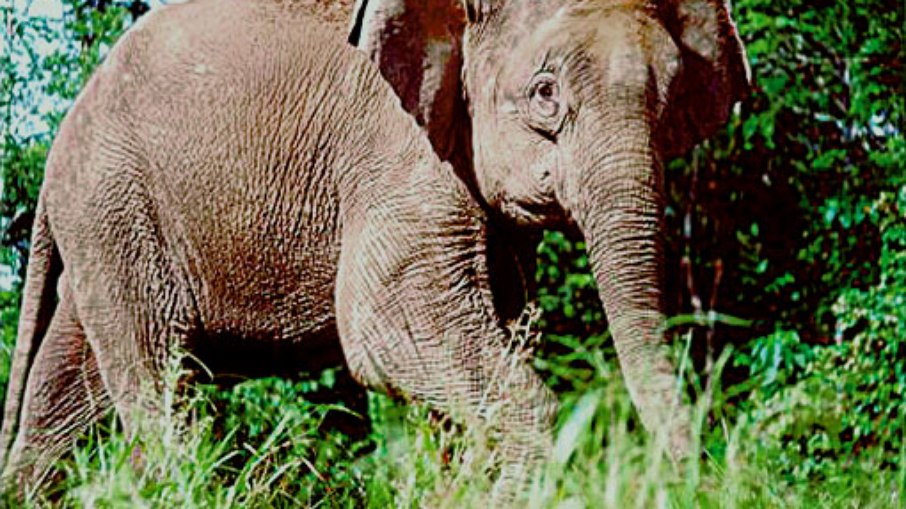
Elefante-pigmeu
The crocodile involved in the attack was a saltwater crocodile (Crocodylus porosus), the largest reptile on Earth. Known for their strength and predatory behavior, these crocodiles can grow to considerable sizes and are capable of taking down large animals.
Bornean elephants (Elephas maximus borneensis), often referred to as pygmy elephants due to their smaller stature compared to other Asian elephants, were recently re-evaluated and are now listed as Endangered on the IUCN Red List. This classification reflects the ongoing loss and fragmentation of their habitat, as well as a decline in their population numbers.
Conflicts between crocodiles and elephants in the region are not uncommon. In 2024, reports surfaced of a crocodile dragging a young elephant into the Kinabatangan River, drawing attention to the vulnerability of juvenile elephants and isolated individuals when navigating waterways.
Experts and conservation authorities point to increasing human pressures – including deforestation, agricultural expansion, and poorly planned tourism – as contributing factors to these dangerous encounters. The encroachment of human activity into wildlife corridors increases the likelihood of interactions between species.
The recent incident highlights the complex conservation challenges facing Borneo: balancing the needs of threatened large mammals with the presence of iconic aquatic predators, protecting forest corridors to ensure safe passage for wildlife, and implementing effective monitoring and education programs to minimize risks for both animals and local communities. Organizations and authorities in Sabah are currently running conservation programs, but specialists say further efforts are needed to mitigate conflicts and preserve dwindling populations.
