
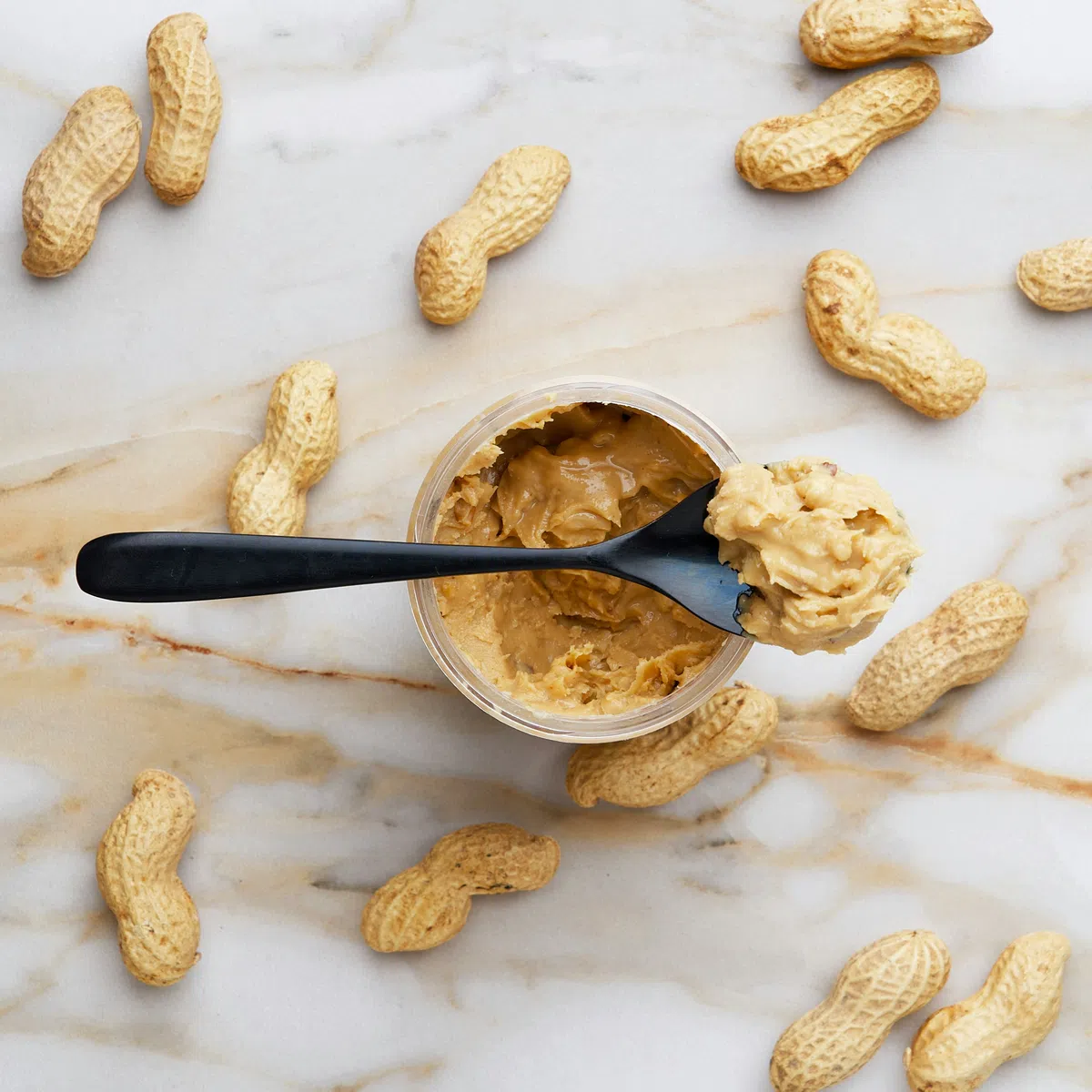
Dagelijks pindakaas helpt spiermassa behouden naarmate je ouder wordt
Daily Peanut Butter Consumption Linked to Improved Muscle Strength in Older Adults
A common pantry staple may play a significant role in helping seniors maintain their physical independence and strength. New research suggests that incorporating natural peanut butter into a daily diet can positively impact muscle function in adults aged 65 and older, potentially reducing the risk of future physical limitations.

The study, published in the Journal of Cachexia, Sarcopenia and Muscle, monitored 120 older adults, with participants ranging from 66 to 89 years old. While these individuals lived independently, they were identified as having an increased risk of falls. Over a six-month period, half of the participants consumed approximately 43 grams—roughly three tablespoons—of natural peanut butter every day, while the control group maintained their usual diet and activity levels.
To evaluate the impact on physical performance, researchers utilized the “five-times sit-to-stand test.” In this assessment, participants must stand up from a chair and sit back down five times as quickly as possible without using their arms for assistance. This specific test is designed to provide a clear measure of lower-body strength.
The results indicated that the group consuming peanut butter completed the test an average of 1.23 seconds faster than those in the control group. According to Dr. Sze-Yen Tan, an associate professor of nutrition at Deakin University’s Institute for Physical Activity and Nutrition, this margin is more significant than it first appears. Dr. Tan noted that previous research shows a difference of just one second is clinically relevant and may be associated with a lower likelihood of experiencing physical restrictions later in life.
Researchers found that the daily intake of peanut butter led to higher protein consumption and an overall improvement in nutritional quality. This boost in nutrition translated to better muscle strength, which is essential for performing everyday activities such as climbing stairs or getting out of a chair. However, the study noted that the intervention had no observable effect on the participants’ walking speed.
Maintaining muscle mass and strength is a critical public health priority for aging populations, as muscle loss is often closely linked to decreased mobility and a higher risk of injury from falls. These findings suggest that simple dietary adjustments can serve as a supportive tool alongside traditional strength training to help older adults preserve their functional mobility.
