
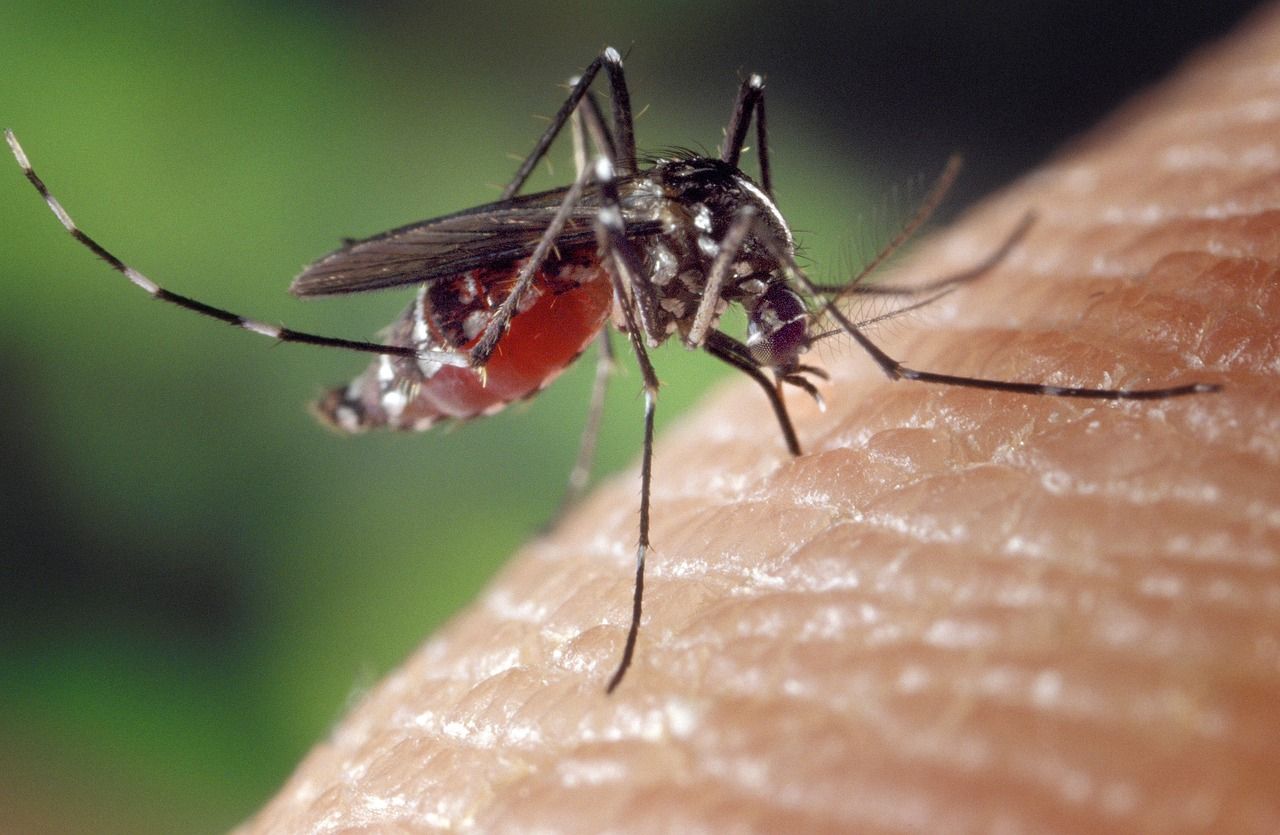
Why Some Mosquitoes Are More Likely to Spread Dengue
Researchers have identified a genetic enzyme whose variations impact dengue virus infection in Aedes aegypti, the primary vector for the disease. The discovery, published in the journal Nature Communications, marks the first time a genetic factor has been linked to mosquito susceptibility to dengue. This connection may also be associated with insecticide resistance, potentially opening avenues for new antiviral strategies.
For decades, scientists have sought to understand why some mosquitoes transmit the dengue virus more efficiently than others. Previous studies largely focused on genes related to their classical immune system. A recent advancement from a team at the Evolutionary Genomics, Modeling and Health (GEMS) laboratory (CNRS / Institut Pasteur) highlights the importance of metabolic pathways, particularly enzymes from the cytochrome P450 family, in mosquito-virus interactions.
The research team employed several cutting-edge techniques to reach these findings. They initially conducted infection tests to observe how the virus interacted with mosquitoes. They then analyzed gene expression using transcriptomics, a method for identifying active genes. Using gene silencing and transgenesis tools, researchers isolated a specific gene, CYP4G15, where variations in the promoter region strongly influence dengue virus infection in Aedes aegypti. This mosquito species is considered one of the most critical vectors of disease.
This study represents a first in identifying natural genetic variations linked to susceptibility to the virus in these mosquitoes. The findings could have implications for controlling the spread of dengue fever, a significant public health concern globally.
The discovery also suggests a possible link between virus susceptibility and resistance to insecticides, as cytochrome P450 enzymes are known to promote mosquito resistance to chemical substances. This offers new perspectives for understanding the interactions between mosquitoes and viruses and could lead to the development of new antiviral strategies, bolstering hopes for more effective control of dengue virus transmission.
