
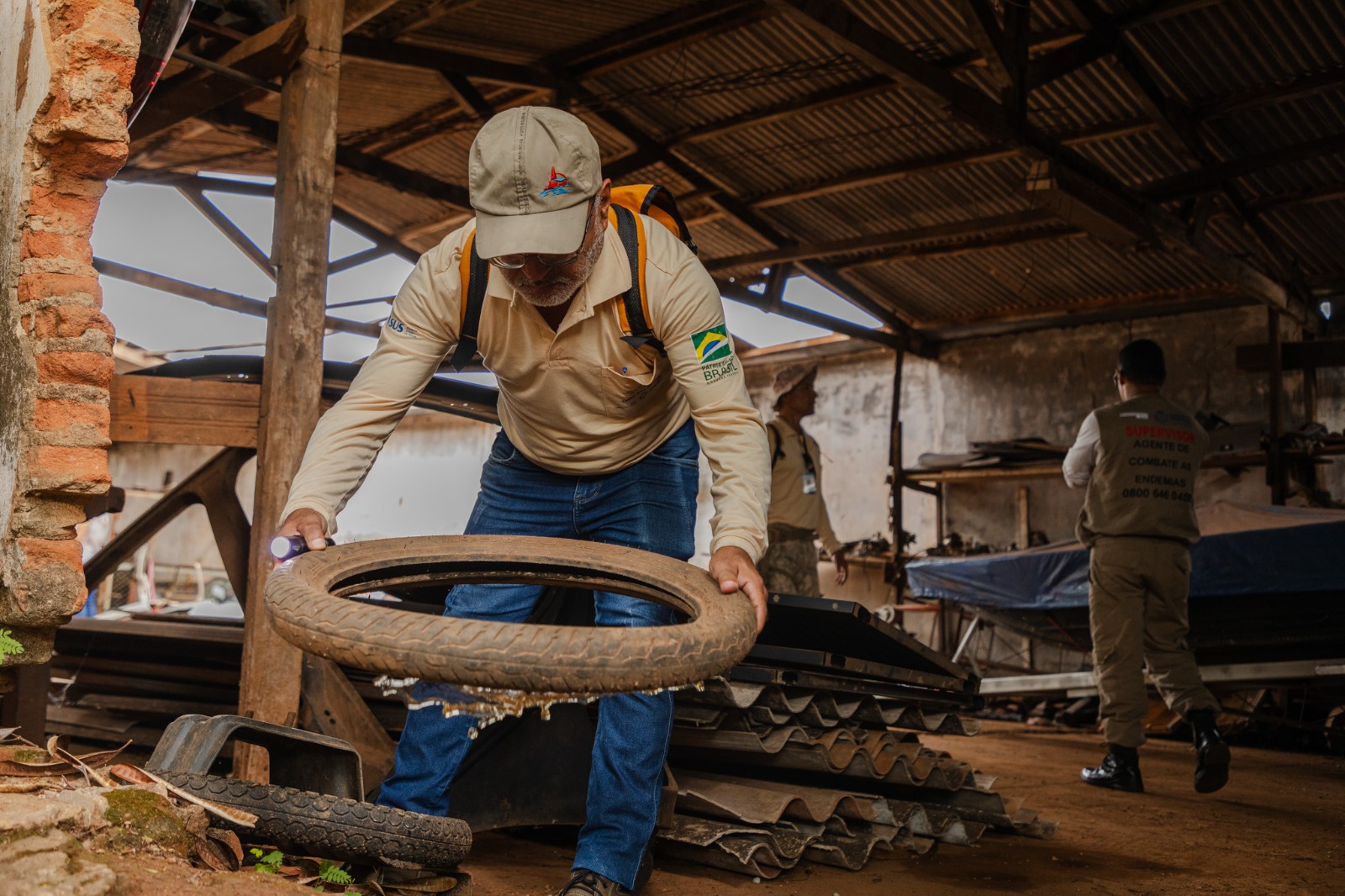
Health officials in Anápolis are urging residents to take precautions against dengue fever as the city experiences a seasonal increase in cases. The alert comes as the region heads into a warmer, wetter period that favors mosquito breeding, potentially leading to a surge in infections.
The Anápolis Municipal Health Department is advising individuals to be vigilant about recognizing dengue symptoms and seeking medical attention promptly if they suspect they may be infected. Early diagnosis and supportive care are crucial for managing the illness and preventing complications.
As of the 9th epidemiological week of 2026, Anápolis has recorded 1,470 cases of dengue. While this represents a decrease compared to the 1,974 cases reported during the same period in 2025, health authorities emphasize that dengue is a seasonal disease, with cases typically rising during warmer, wetter months. This underscores the need for continued preventative measures.
According to Dayane Rodrigues, the city’s Epidemiological Surveillance Manager, the dengue virus has four serotypes: DENV-1, DENV-2, DENV-3, and DENV-4. While serotypes 1 and 2 are the most prevalent, serotype 3 has recently reappeared in Brazil, with four confirmed cases now identified in Anápolis.
“The majority of people have some level of immunity to serotypes 1 and 2, which are more common,” Rodrigues explained. “with the confirmation of cases of serotype 3, the city is reinforcing the alert for the population to be attentive to symptoms.” This highlights the importance of recognizing symptoms even if individuals have previously had dengue.
Individuals experiencing fever, typically above 38°C (100.4°F), accompanied by other suggestive symptoms, should seek evaluation at their nearest Family Health Unit (USF). Common symptoms include intense headache, body aches, joint pain, back pain, pain behind the eyes, fatigue, nausea, vomiting, skin rash, and loss of appetite.
In cases of worsening symptoms, immediate medical attention is recommended. Patients exhibiting warning signs should go to the Dr. Alair Mafra UPA. Children with warning signs should be taken to the Pediatric UPA, and pregnant women experiencing worsening symptoms should seek care at the Santa Casa de Misericórdia. Warning signs include severe and continuous abdominal pain, persistent vomiting, bleeding from the gums, nose, urine, or stool, dizziness or fainting, excessive sleepiness or irritability, decreased urination, severe weakness, or difficulty breathing.
To streamline care and provide adequate support, the Vila Norte Mixed Unit will function as a point for intravenous hydration for cases that do not require hospital admission. The unit will also be responsible for collecting laboratory tests on weekends and holidays, expanding support to the municipal health network in managing suspected dengue cases.
The Health Department also advises patients to bring their follow-up card, provided at the time of diagnosis, when returning for blood tests or clinical reevaluation. This document is considered essential for monitoring the progression of the case.
Preventing mosquito breeding sites is key to controlling the spread of dengue. Simple actions, such as eliminating standing water in containers and regularly cleaning gutters, can significantly reduce mosquito populations and the risk of infection.
