
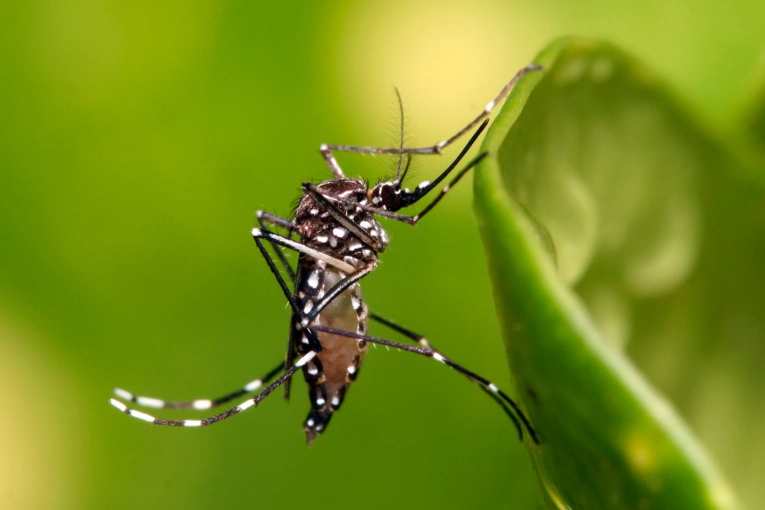
Argentina’s National Ministry of Health has confirmed three cases of dengue fever in the province of Entre Ríos, signaling the start of the 2025-2026 arbovirus season. The information was published in National Epidemiological Bulletin No. 797, which details the health situation in the provinces as mosquito-borne diseases spread. Understanding the emergence and spread of these viruses is crucial for protecting public health.
As of the seventh epidemiological week of 2026, the province has reported 252 cases, with three confirmed by laboratory testing, according to the report.
Health authorities have also reported the detection of a new variant of the virus, the DENV-3 serotype, which reinforces epidemiological surveillance in the region.
Imported Cases and the Risk of the DENV-3 Serotype
Unlike other jurisdictions already reporting autochthonous cases – meaning locally acquired infections – (such as Formosa or Buenos Aires), the three confirmed cases in Entre Ríos are considered imported, meaning the individuals had a history of travel abroad: to Cuba, Brazil, and the Dominican Republic. The detection of the DENV-3 serotype is of particular concern to local health authorities, as the introduction of new variants into a population largely exposed to DENV-1 or DENV-2 could increase the risk of more complex clinical presentations.
In addition to the three confirmed cases, Entre Ríos has 238 discarded cases (with negative laboratory results), eight suspected cases currently under study awaiting a final diagnosis, and one additional probable case with a history of travel that is also being analyzed.
Regarding other viruses, the province has investigated 33 suspected cases of Chikungunya fever and eight cases of Oropouche fever, all with negative results to date. This contrasts with Brazil and Bolivia, where these events are showing a concerning increase.
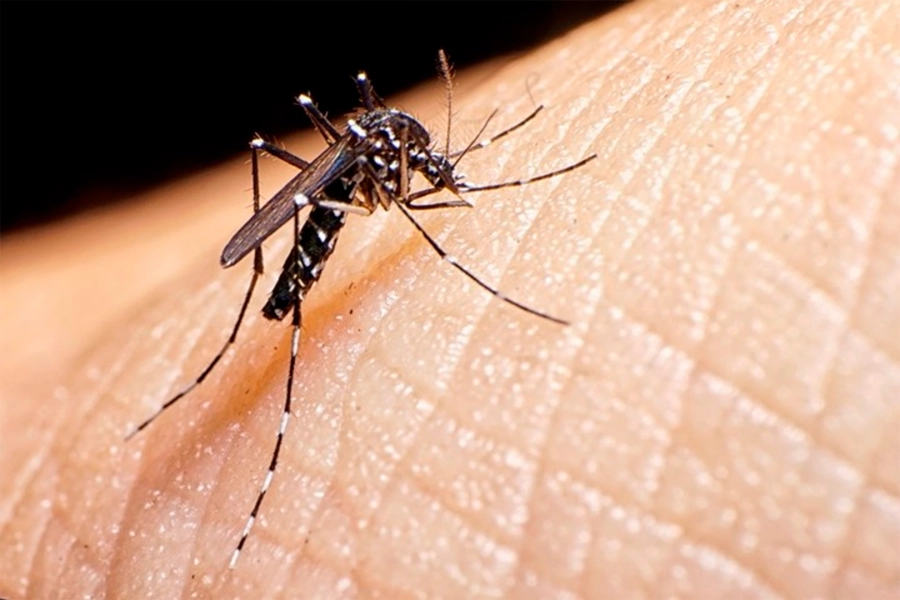
Nationally, Argentina is currently in what experts are calling “Scenario 1” (less than 20,000 cases), characterized by low viral circulation and limited outbreaks. However, the bulletin warns that 70% of confirmed cases in Argentina are travelers, making border provinces and those with high traffic – such as Entre Ríos – critical zones for surveillance.
“The need to maintain intensified surveillance persists in the face of the possibility of new serotypes entering due to imported cases,” the official document stated, as reported by APF.

Recommendations
Individuals in Entre Ríos experiencing symptoms such as high fever, pain behind the eyes, muscle or joint pain, are advised not to self-medicate and to consult a healthcare center immediately, especially if they have recently traveled to countries in the region or Central America.
