
People with type 2 diabetes may face a significantly increased risk of developing osteoarthritis, according to a new collaboration between the Osteoarthritis Foundation International (OAFI) and the Spanish Diabetes Federation (FEDE). The organizations signed a framework collaboration agreement on February 5, 2026, to promote joint actions in osteoarticular health and diabetes, aiming to raise awareness and improve health outcomes for those living with both conditions.
Research suggests individuals with type 2 diabetes have a 20-40% higher relative probability of developing osteoarthritis. This connection persists even when accounting for body mass index (BMI), indicating factors beyond weight, such as high blood sugar levels, may play a role in the development of the joint condition. Understanding this link is crucial, as both diabetes and osteoarthritis are chronic conditions that significantly impact quality of life.
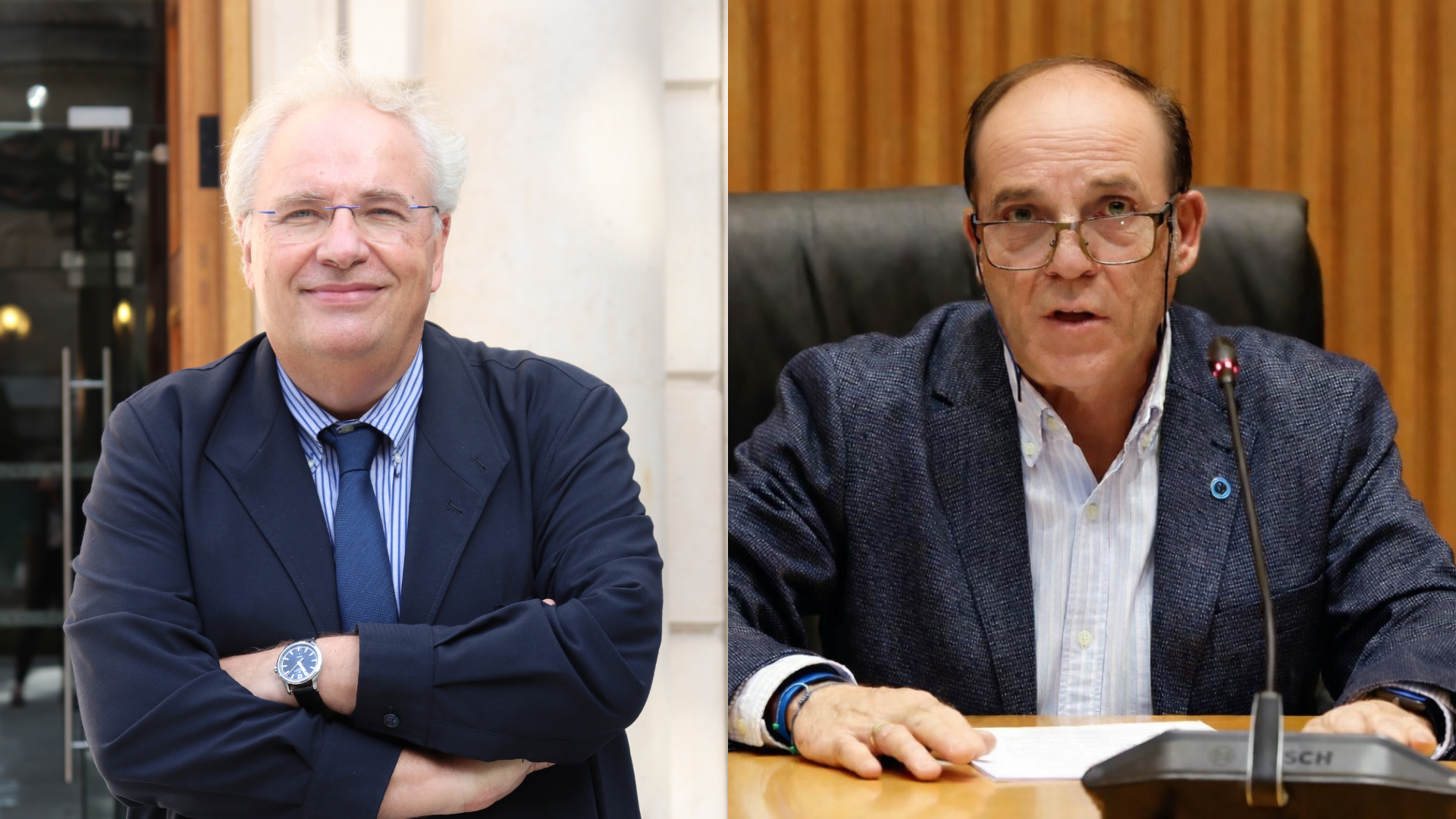
“This agreement reinforces a necessary alliance to place osteoarticular health on the agenda of chronic pathologies,” said Dr. Josep Vergés Milano, CEO of OAFI. “We want to contribute to ensuring that people with diabetes have more information and tools to prevent and detect complications related to bones, joints and mobility, and to continue advancing in the empowerment and active management of their own health.”
Juantxo Remón, acting president of FEDE, added, “This agreement opens an opportunity to broaden the focus, as diabetes requires not only good metabolic control, but also care for aspects that often go unnoticed, such as bone health and the risk of osteoarticular problems.”
The organizations have committed to a one-year collaboration, with the possibility of extension, to achieve a more comprehensive approach to both conditions and improve the quality of life for people with diabetes and osteoarthritis. This partnership will support initiatives and projects from both entities, and may include opportunities for patients with diabetes to participate in OAFI’s osteoarticular health community.
