
Nutritionist explains how to choose between bread, couscous, or tapioca for breakfast without causing blood sugar spikes and highlights the importance of portion sizes and monitoring
Published on February 27, 2026 at 06:00
When it comes to breakfast, a common question for those managing diabetes is what to eat to start the day with energy without causing a rapid increase in blood sugar. Here’s a critical consideration, as effectively managing blood glucose is key to preventing long-term health complications.
Between the convenience of bread, the tradition of couscous, and the reputation of tapioca, the choice isn’t always straightforward.
Nutritionist Tarcila Campos, a specialist in diabetes, explains that the secret isn’t just *what* you eat, but how your body reacts to each food.
Salt roll, French bread or little roll? How do you call it? by Shutterstock
To simplify this routine, we’ve gathered fundamental guidance on how to balance carbohydrates early in the day.
Speed is Key: The Role of the Glycemic Index
The term “glycemic index” may sound technical, but in practice it functions like a speedometer: it indicates how quickly the sugar from a food reaches your bloodstream.
According to the specialist, tapioca often has a variable glycemic index, and many people report difficulty maintaining control after consuming it.
Couscous, tends to have a slower absorption rate, which may promote more stable blood sugar levels throughout the morning.
However, there’s no universal rule: while some patients do better with couscous, others experience more balanced responses with bread or toast.
The Power of Quantities
More important than “prohibiting” a food is adjusting the portion size. The nutritionist suggests simple strategies for daily life:
- Tapioca and couscous: Start with smaller amounts, such as two to three tablespoons of the gum or corn.
- Bread: A practical tip is to reduce the “crumb,” which helps balance the total carbohydrate intake.
These small adjustments are essential even when the only available option is processed foods, helping to avoid those dreaded post-meal glucose spikes.
The Importance of Self-Awareness
Because diabetes manifests uniquely in each person, personalization is key.
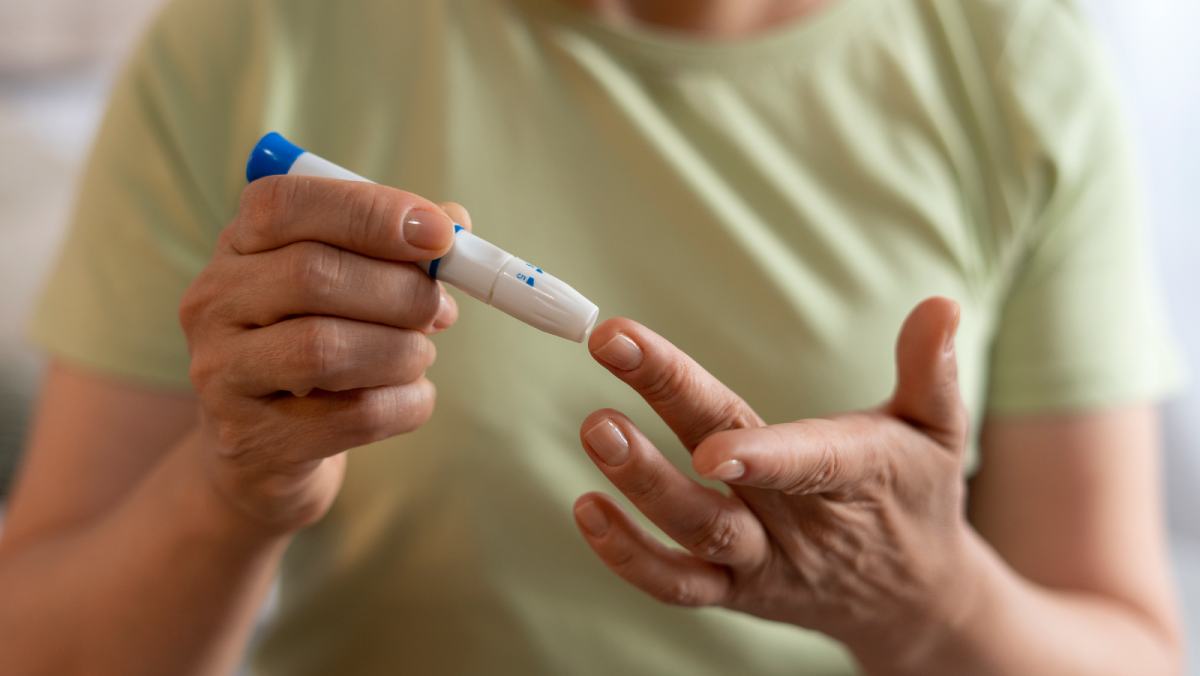
The best way to discover what works for you is through monitoring: checking your blood sugar shortly after breakfast allows you to understand how that specific food was processed by your body.
following up with a healthcare professional is essential to create an eating plan that respects your habits and preferences, ensuring a life with more flavor and balance.
