
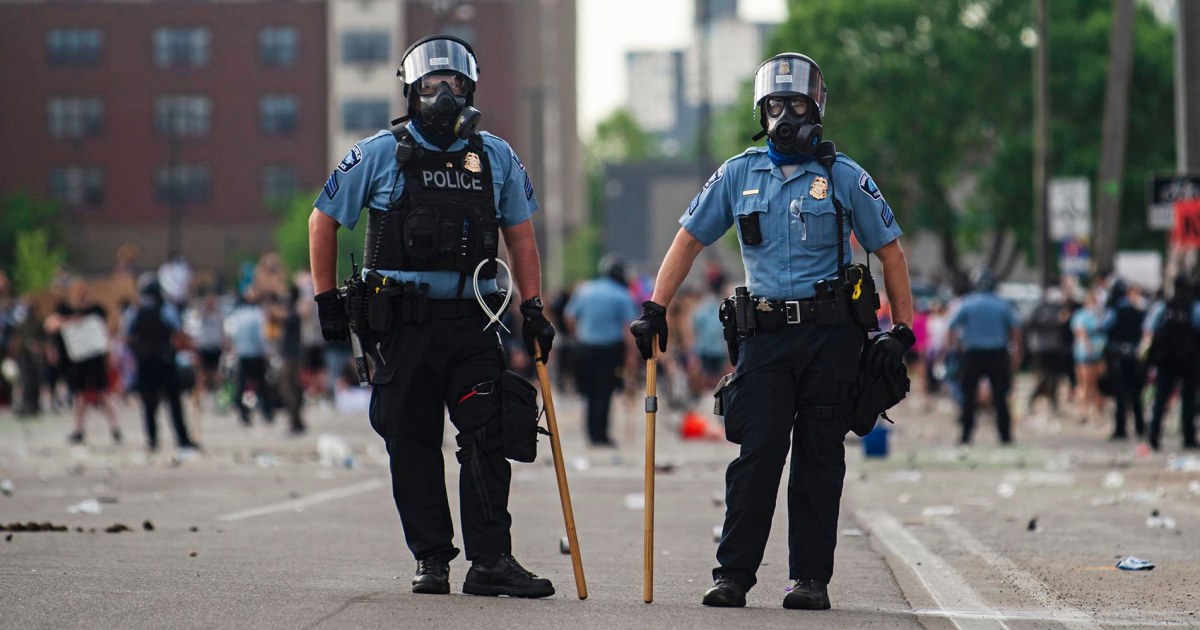
What does the future hold for police reform in a nation grappling with calls for justice and accountability? this article examines the evolving landscape of police reform, exploring federal oversight, local control debates, and emerging trends shaping law enforcement. Discover the challenges and opportunities in creating a more transparent, effective, and community-focused policing model.
The Future of Police Reform: Trends and Challenges
Table of Contents
The landscape of police reform is constantly evolving. Recent developments, including shifts in federal oversight and local initiatives, highlight the complex challenges and opportunities ahead. Understanding these trends is crucial for anyone interested in the future of law enforcement and community safety.
The Impact of Federal Oversight and consent Decrees
federal oversight, often implemented through consent decrees, has been a key tool in addressing systemic issues within police departments. These decrees, born from investigations into civil rights violations, mandate specific reforms. They cover areas like use of force, training, and community engagement. However, the effectiveness of these decrees is a subject of ongoing debate.
Case Study: The Chicago Police Department entered a consent decree in 2019. This decree, managed by the state attorney general, aims to address issues identified in a federal examination. This demonstrates the ongoing need for reform and the role of external oversight.
did you know? Consent decrees have a long history, dating back to the 1994 crime bill.They are implemented after investigations into civil rights violations or unconstitutional practices.
Local Control vs. Federal Intervention: A Balancing Act
A central debate in police reform revolves around the balance between federal intervention and local control. Proponents of local control argue that communities are best equipped to manage their law enforcement agencies. They emphasize the importance of tailoring reforms to specific local needs and priorities.
Example: Phoenix, Arizona, initially resisted a federal consent decree, opting instead to implement itS own reforms. This approach underscores the tension between federal mandates and local autonomy.
Pro Tip: Stay informed about local initiatives and community discussions regarding police reform. Your voice matters in shaping the future of law enforcement in your area.
Emerging Trends in Police Reform
Several trends are shaping the future of police reform. These include:
- Enhanced Training: Emphasis on de-escalation techniques, implicit bias training, and crisis intervention.
- Data-Driven Policing: Utilizing data analytics to identify patterns of misconduct and improve resource allocation.
- Community engagement: Building stronger relationships between police and the communities they serve through dialog and collaboration.
- Self-reliant Oversight: Strengthening civilian review boards and other mechanisms for holding police accountable.
Recent Data: Studies show that effective training programs can significantly reduce the use of force and improve officer-community relations. For example, the National Institute of Justice has funded several studies on the impact of different training models.
The Role of Technology in police Reform
Technology is playing an increasingly vital role in police reform. Body-worn cameras, for example, provide a record of interactions between officers and the public, promoting clarity and accountability. Data analytics can help identify patterns of misconduct and inform policy changes.
Example: Manny police departments are using predictive policing software to allocate resources more effectively. However, its crucial to address potential biases in these algorithms to ensure fairness.
Challenges and Roadblocks
Despite progress, notable challenges remain. These include:
- Resistance to Change: Some police departments and officers resist reforms, citing concerns about morale and operational effectiveness.
- Funding Constraints: Implementing reforms frequently enough requires significant financial investment,which can be a barrier for some communities.
- Political Polarization: Police reform is often a politically charged issue,making it difficult to achieve consensus and implement meaningful changes.
Frequently Asked Questions
what is a consent decree? A court-enforced agreement that mandates specific reforms within a police department.
What is the role of federal oversight? To investigate and address systemic issues within police departments and ensure accountability.
How can communities get involved in police reform? By participating in community meetings, contacting elected officials, and supporting local reform initiatives.
what are the benefits of police reform? Improved community safety,increased trust between police and the public,and reduced instances of misconduct.
What are the biggest challenges to police reform? Resistance to change,funding constraints,and political polarization.
did you know? The use of body-worn cameras has been shown to reduce the number of complaints against police officers.
pro Tip: Stay informed about local police reform efforts by following local news outlets and attending community meetings.
The path to effective police reform is complex and multifaceted. By understanding the trends, challenges, and opportunities, we can work towards a future where law enforcement is more accountable, transparent, and responsive to the needs of the communities they serve.
want to learn more? Explore our other articles on criminal justice reform and subscribe to our newsletter for updates.
