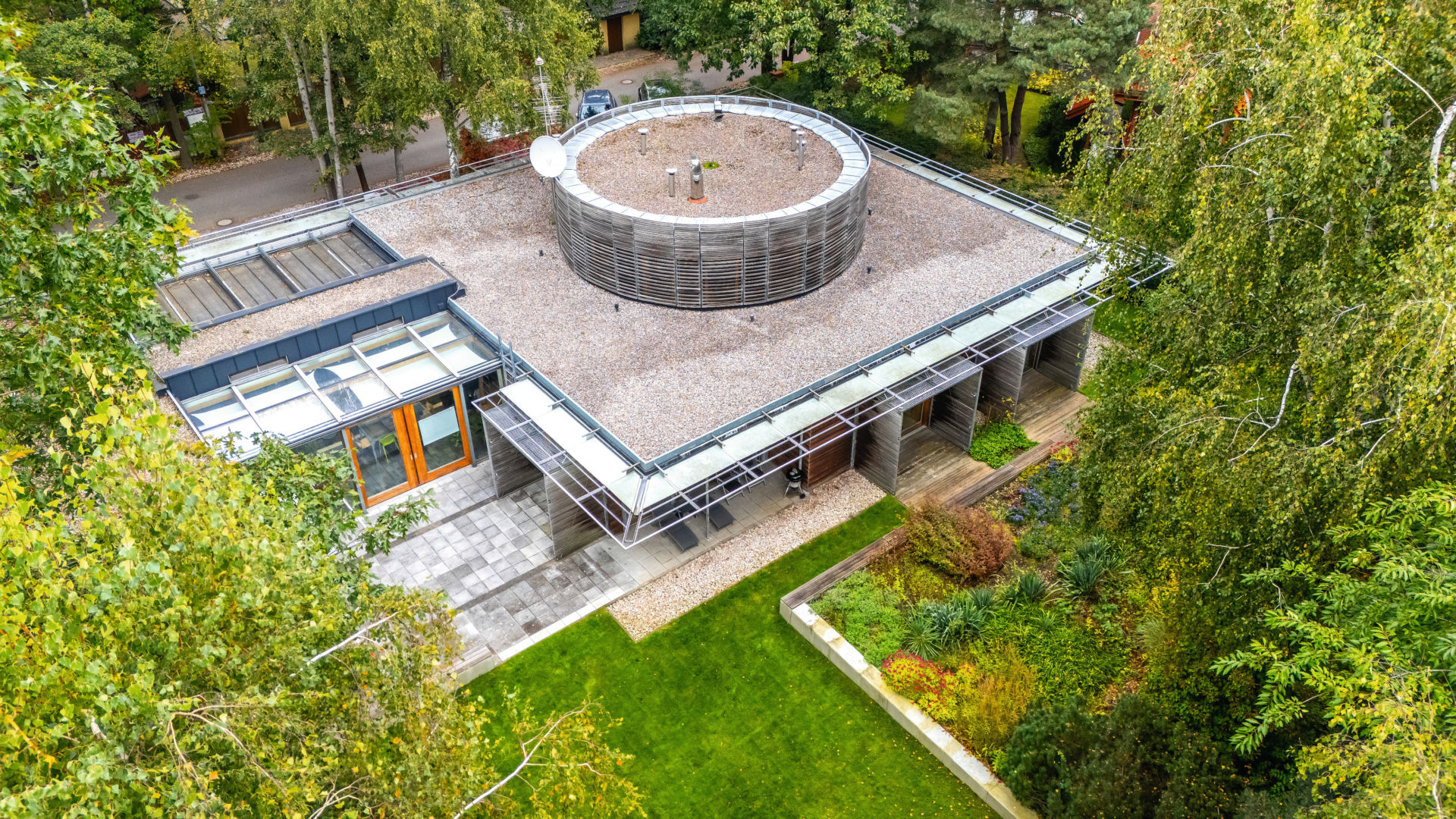
In 2000, as “Murator” magazine concluded its competition for “House of the Future,” the world looked quite different. The internet was just beginning to enter homes, ecological heating was considered a luxury, and the concept of a smart home felt like science fiction. The team at JEMS Architekci – Maciej Miłobędzki and Piotr Migdalski – proposed an original design that quickly generated buzz. An investor soon materialized, and the House of the Future was built, and remains standing today on the Choszczówka estate in Warsaw’s Białołęka district. A quarter-century later, we revisit the site to assess how accurately the designers predicted the future.
The House of the Future Concept: Innovative Construction and Interiors
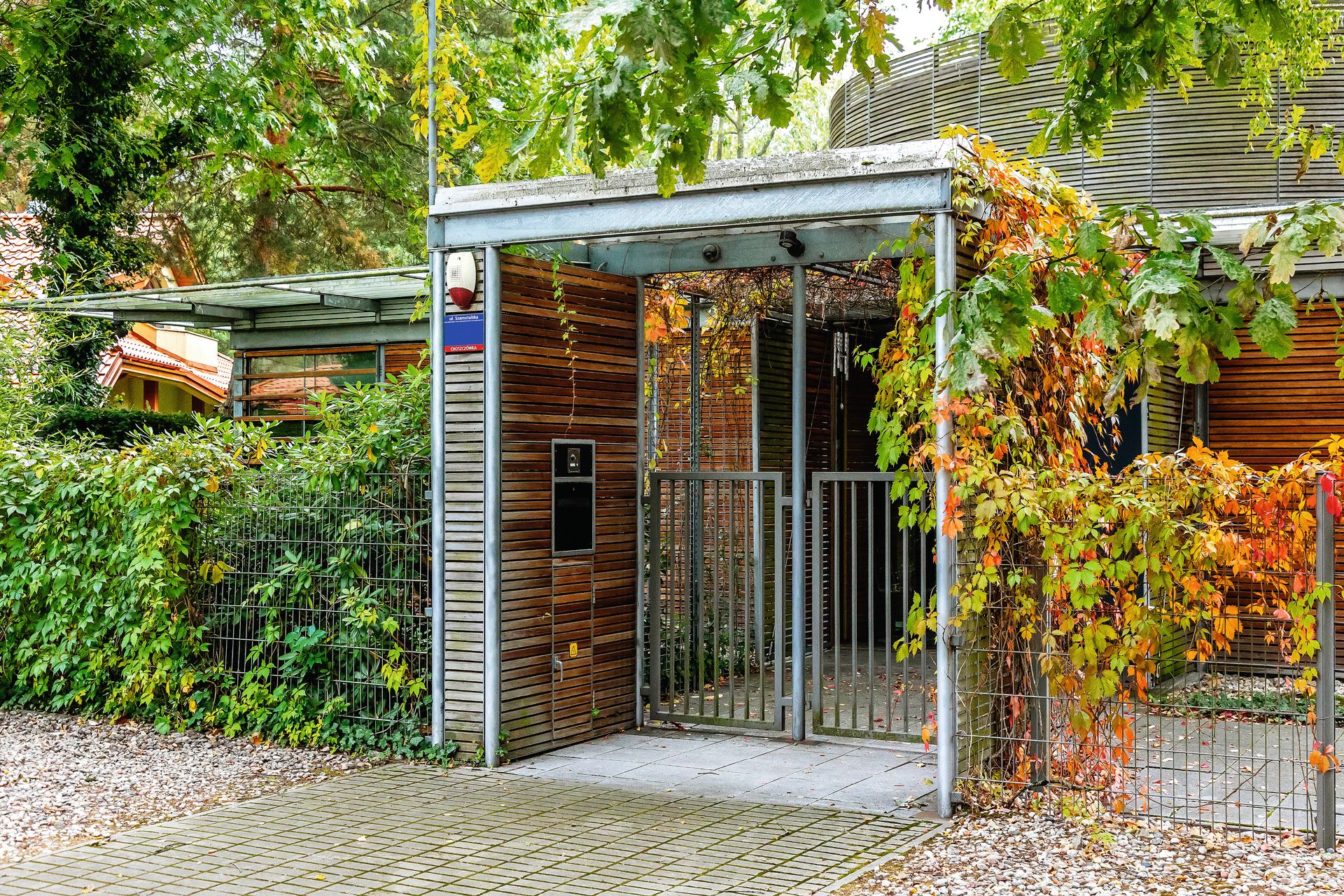
From the outside, the building is surprisingly modern. The simple, single-story structure, flat roof with a cylindrical dome, glazed walls, and wooden louvers create a compact, intriguing design. The entrance to the home, complete with a carport, is well-planned.
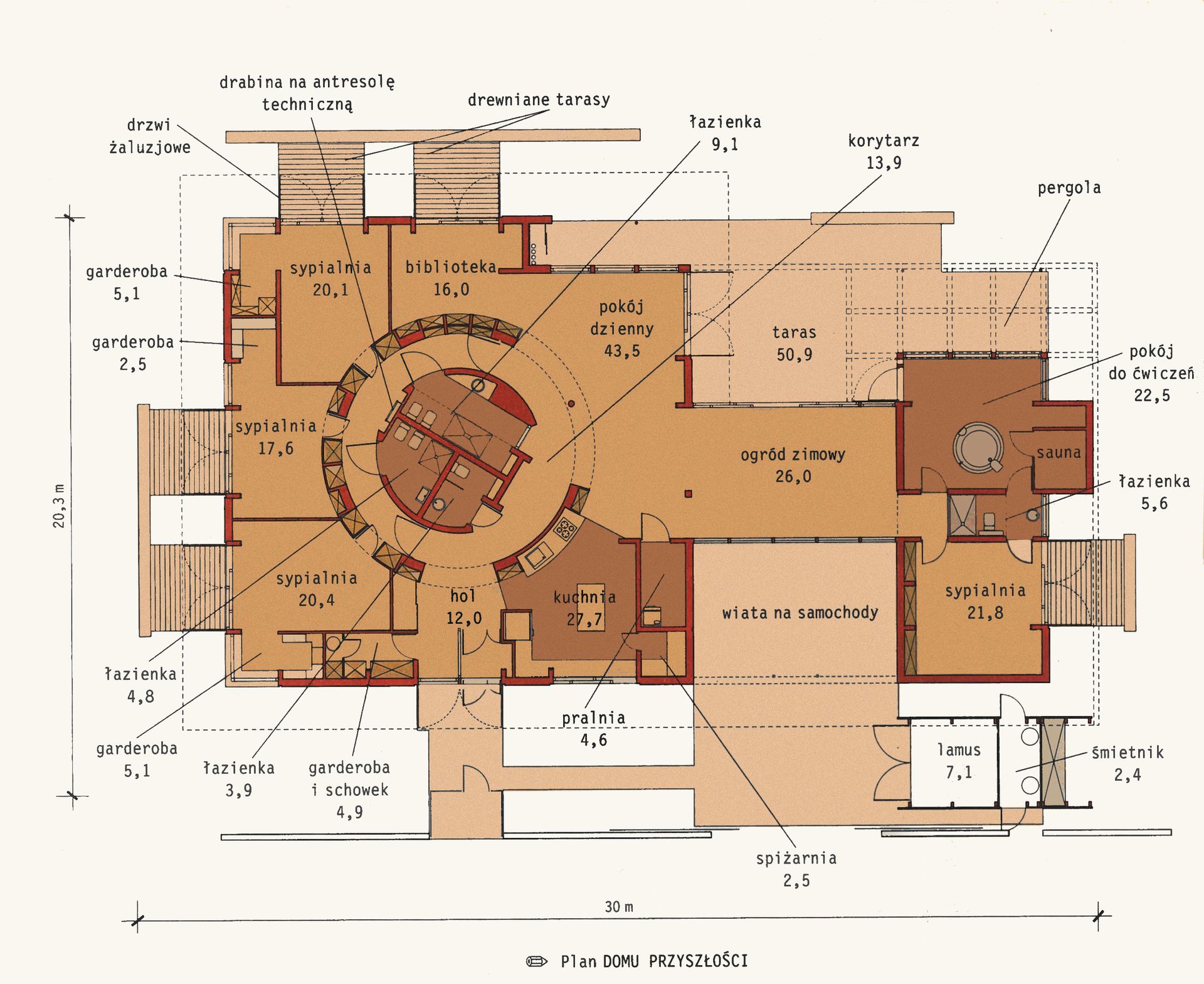
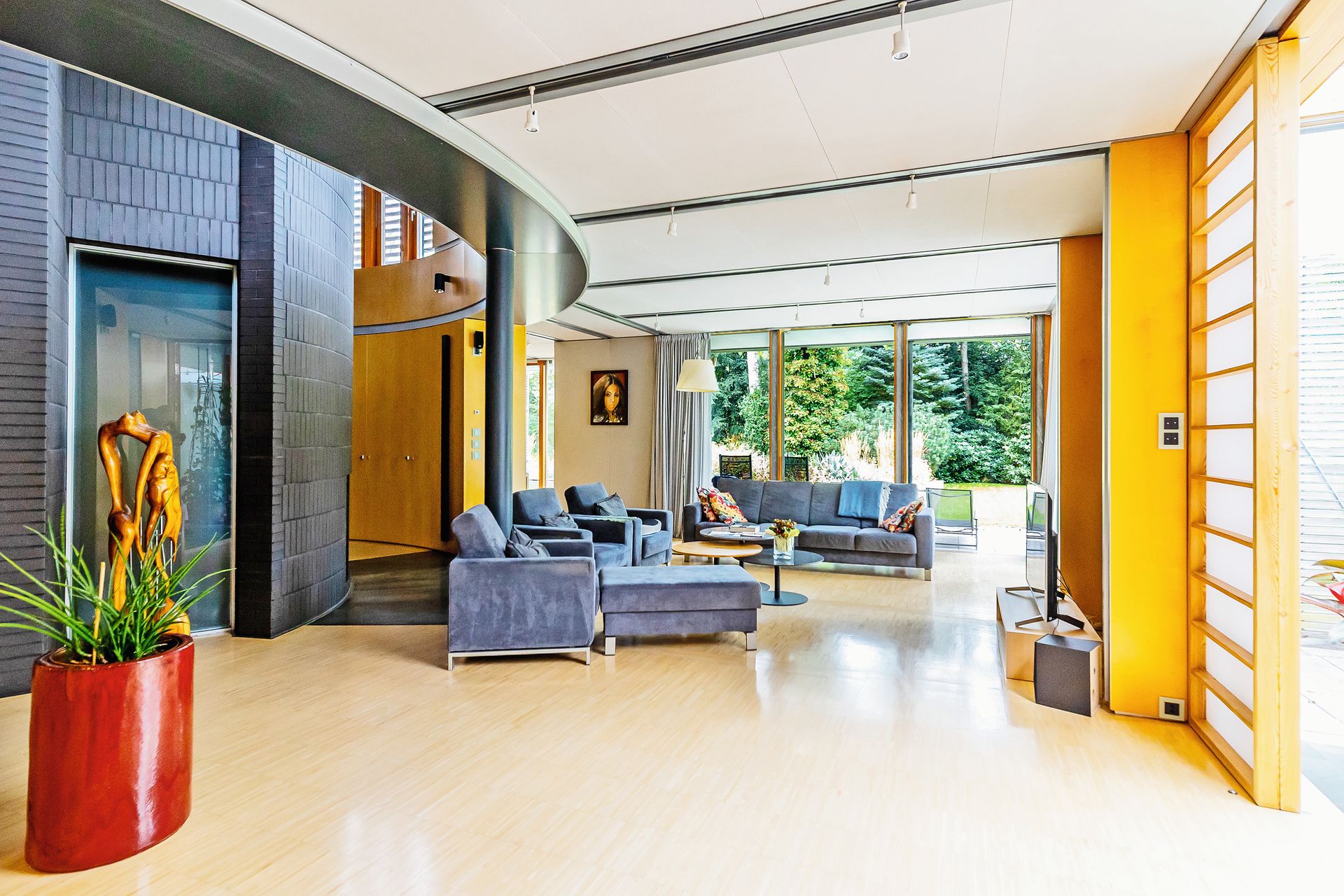
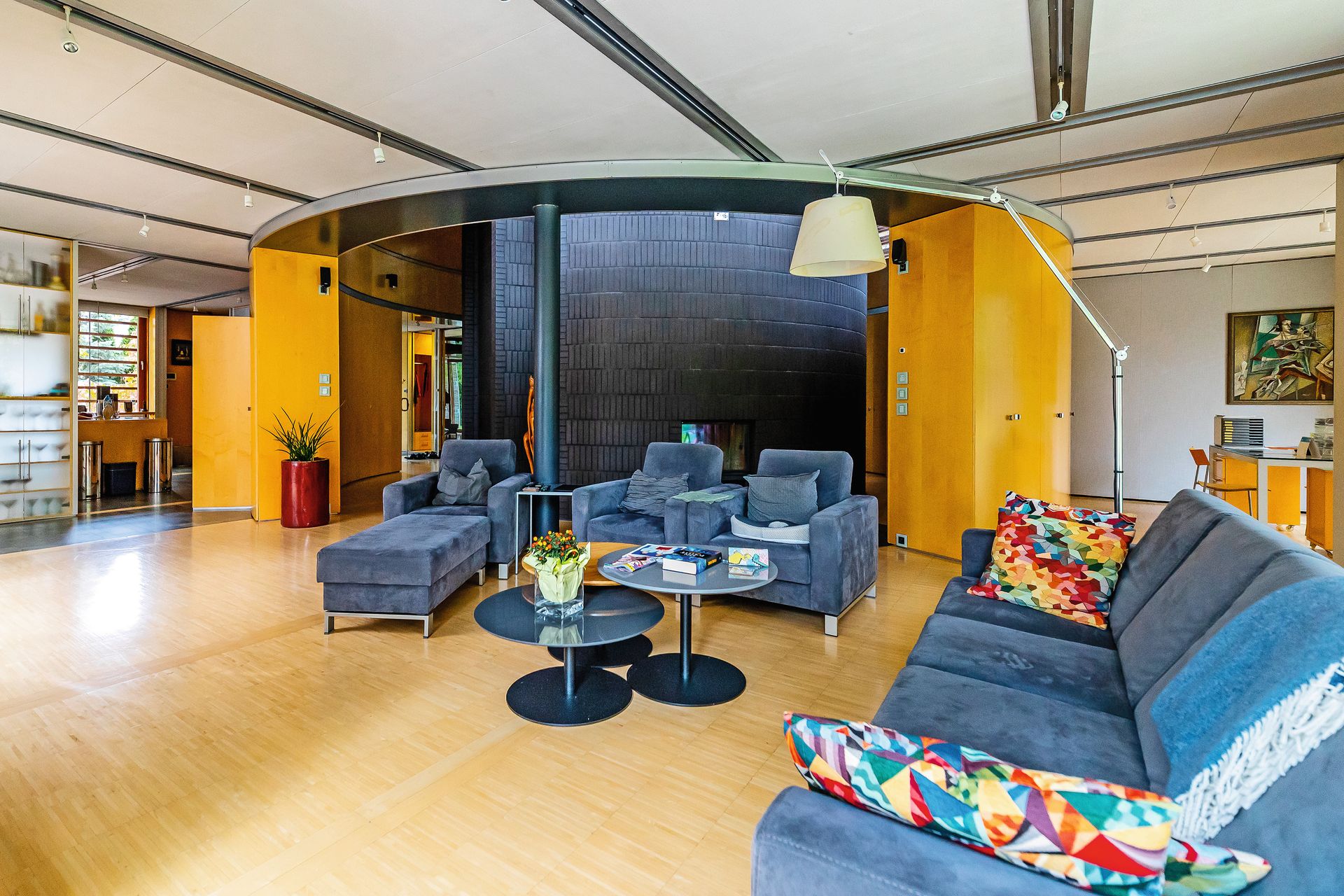
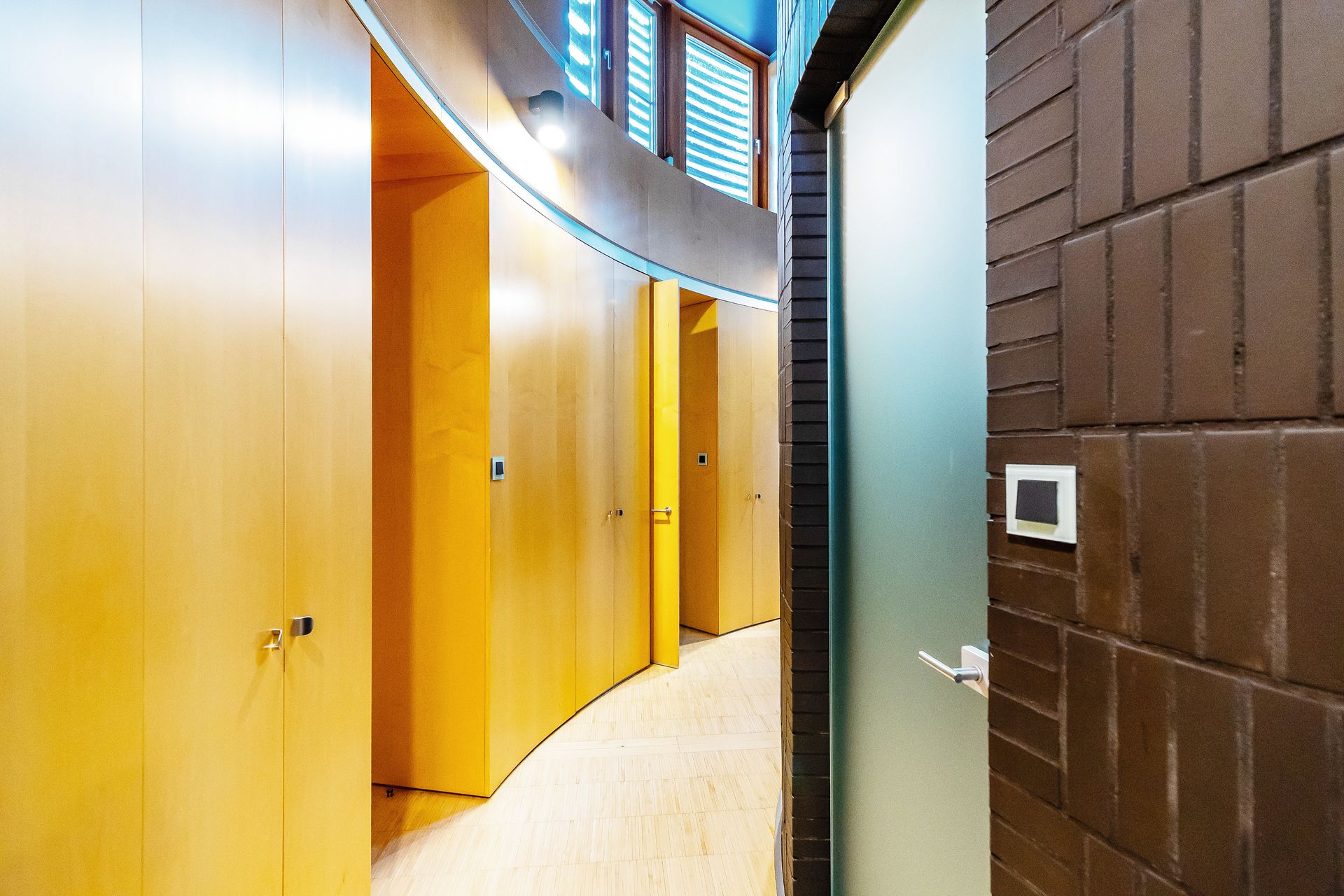
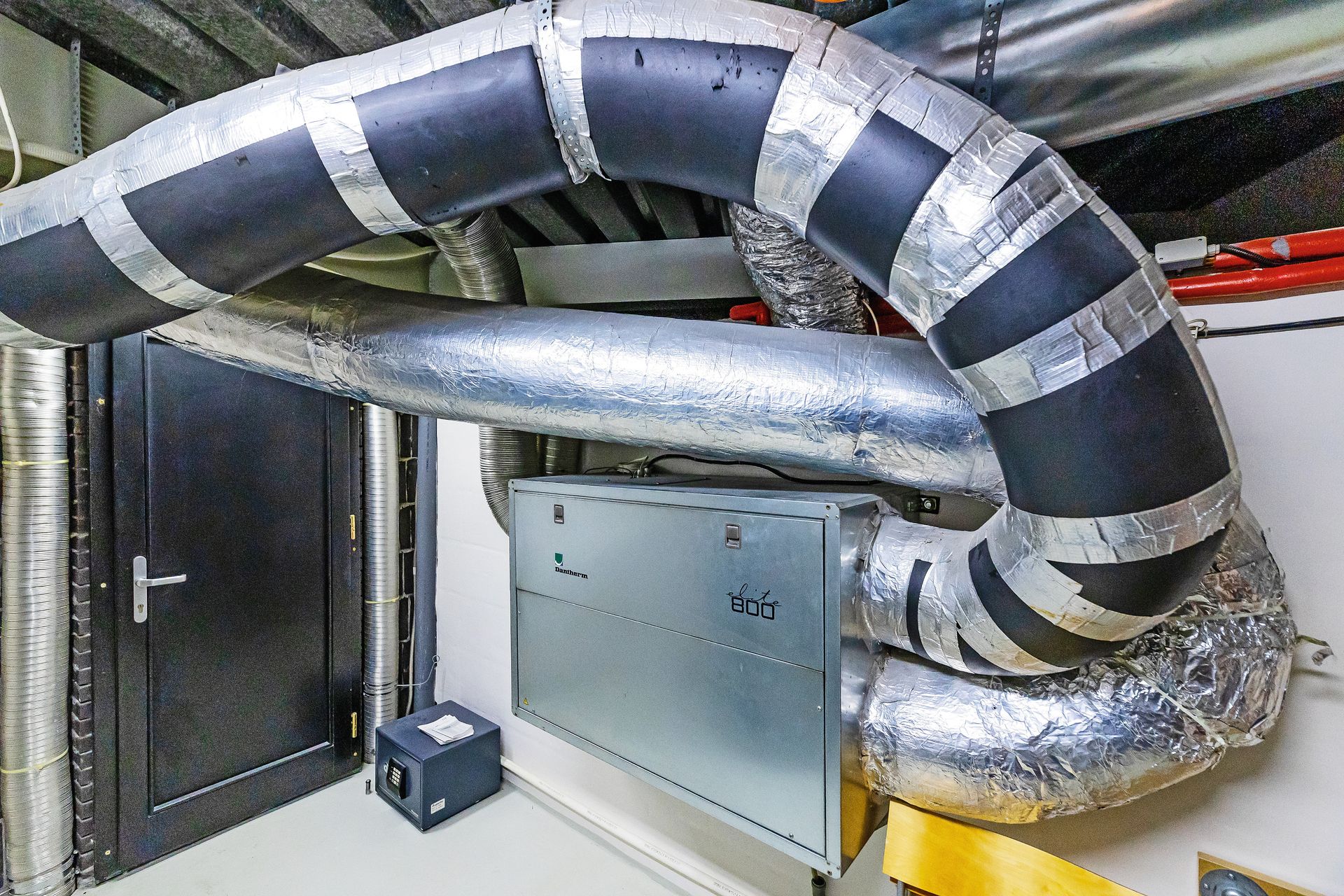
Inside, the main, though slightly offset, element is a cylindrical core constructed of clinker brick, as if the house were built around a lighthouse. This core houses two bathrooms, a toilet, and a fireplace, with a technical room containing a heat pump and a mechanical ventilation unit with heat recovery located on the mezzanine (accessed by a hidden ladder).
The building’s structure is a steel skeleton. The cylindrical structure is a structural element supporting the steel-concrete roof. The core too functions as a heat accumulator – it heats up slowly but also releases heat slowly, stabilizing the interior temperature. The house is built on a foundation slab. Steel support columns are hidden within the exterior walls, and steel beams on the roof converge to a reinforced concrete ring around the core. Prefabricated architectural concrete elements are laid on the beams, simultaneously serving as ceiling finishes. Above Here’s a layer of concrete, insulation, and a green roof. The heavy roof structure is another heat accumulator.
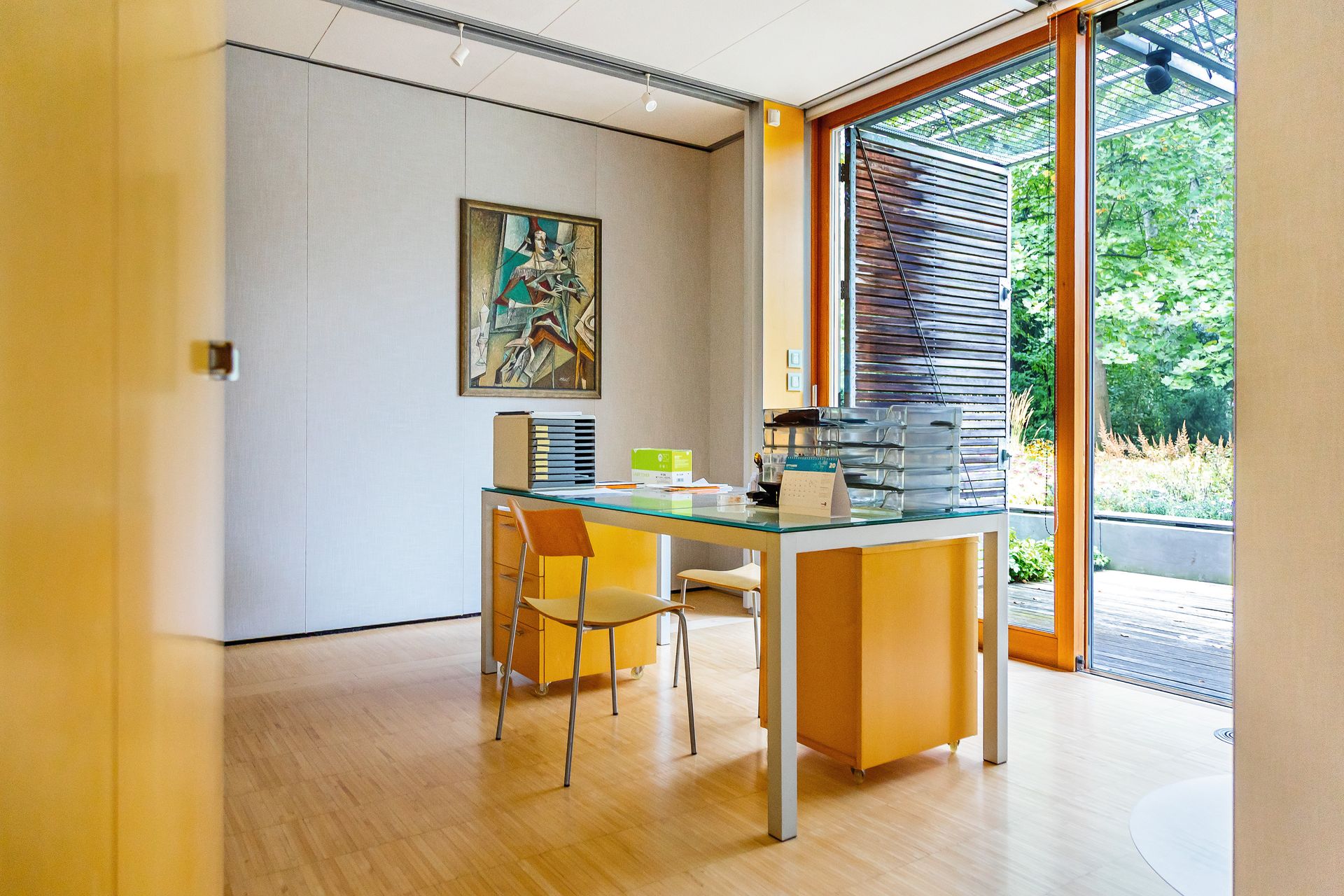
Moving deeper into the winding corridor filled with built-in wardrobes, you reach further rooms: three bedrooms with walk-in closets, a study, a kitchen, and a dining room. The interior walls are non-load-bearing, allowing for flexible customization to meet the needs of the residents – a key element of forward-thinking design.
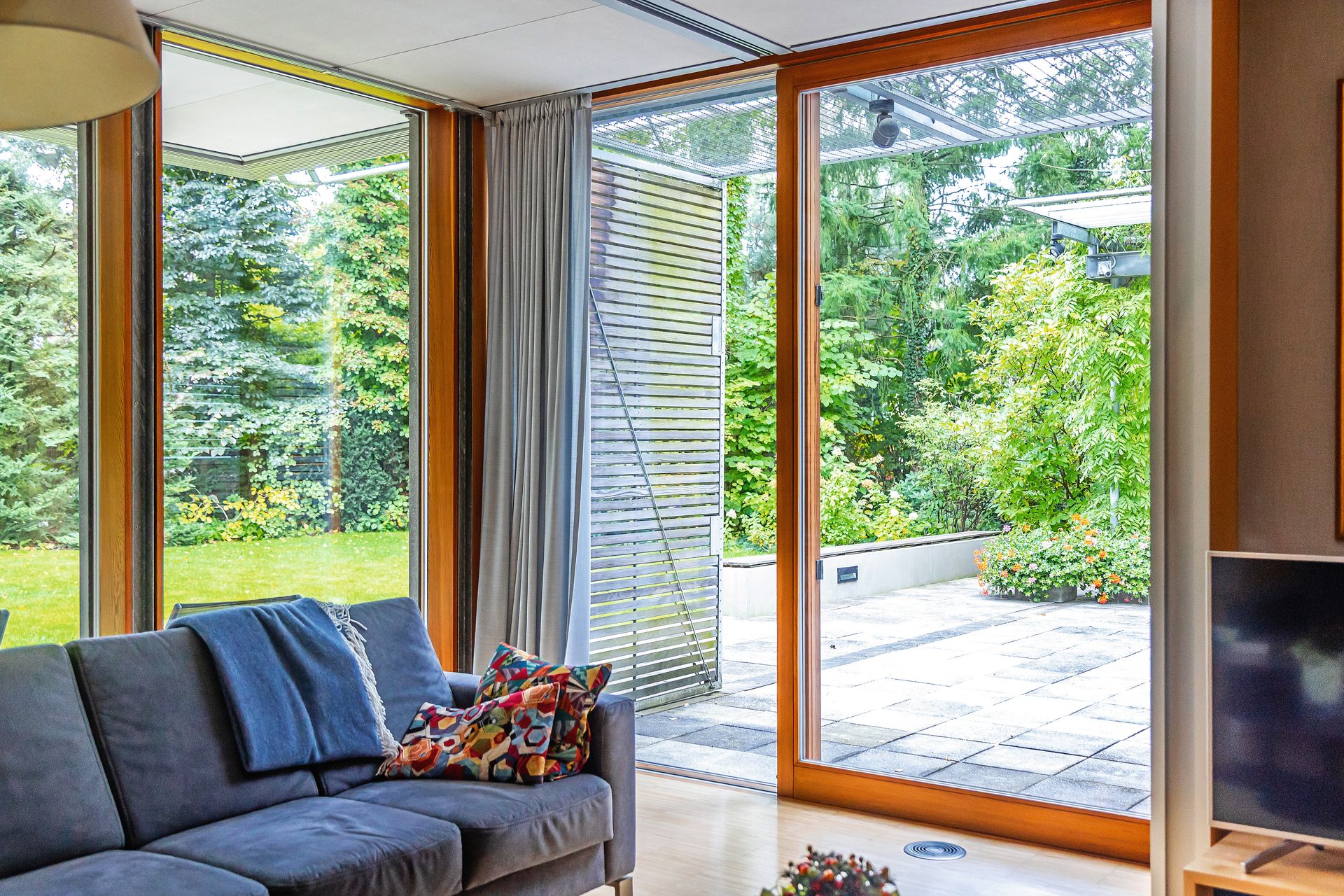
Another innovative idea was the integration of the house and garden – glass walls open onto the garden with no threshold or height difference between the lawn and the floor. This connection works seamlessly, transforming the garden into an extension of the living space. Each bedroom also has direct access to the outdoors. It’s a pleasure to step outside directly from any room. From the living room, you enter a winter garden and a fitness area. The original design called for a house of 250 square meters, but this was expanded thanks to input from Mr. Sławomir – the investor who commissioned the building and has lived in the House of the Future with his family for all these years.
Detailed Plan of the House of the Future
Comfort in the House of the Future: Winter Garden, Sauna, Fitness Area
“In 2003, I allowed myself an extravagance – building the House of the Future,” says Mr. Sławomir.
“During the adaptation of the project, we expanded the house with a winter garden and a fitness wing overlooking the garden. There’s a sauna and a fourth bedroom, which now functions as a home cinema, as well as a bathroom. The original 250 square meters grew to over 350 square meters. It was intended to be a multi-generational home, a center for family life, a place for parents, children, and grandchildren to gather. And it has successfully fulfilled that purpose for years.”
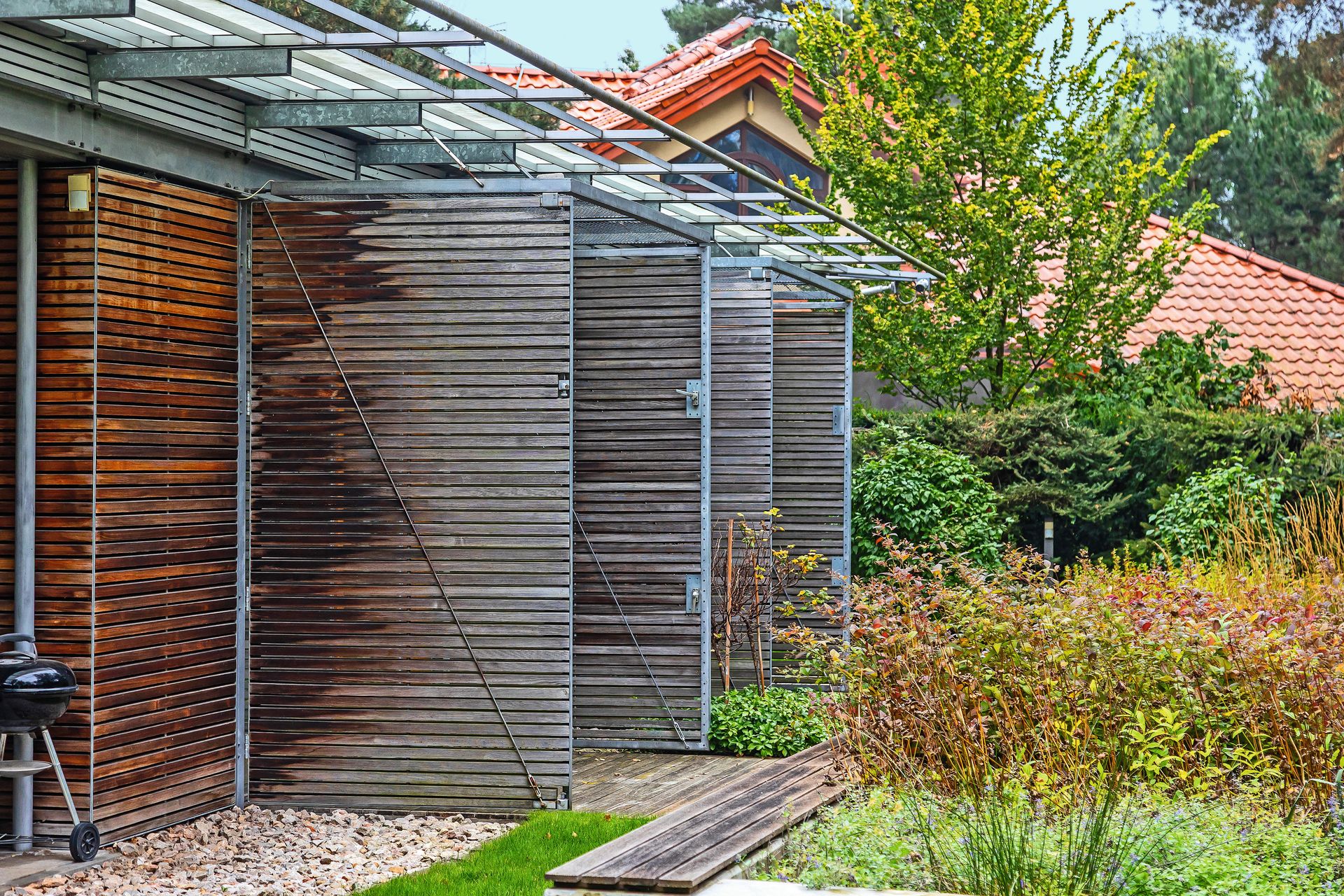
Another idea that proved successful was the shading and cooling system. A lacy wooden overhang above the windows, 1.5 meters wide, and wooden shutters – windows that can be closed to block out excess sunlight – provide perfect shading.
Cooling the building? Natural ventilation – by opening the terrace windows and those located in the corridor around the cylindrical core of the building. This creates a draft, useful in summer. When heating is active, mechanical ventilation with heat recovery is used to save energy.
The Future of Heating: A Successful Experiment?
Throughout the house, underfloor heating is installed. In the boiler room on the mezzanine, a 16 + 16 kW ground source heat pump is located.
First, the first stage is activated, and if necessary, the second. The heat pump, serviced annually, has operated flawlessly for all these years! A 600-liter buffer tank is also installed in the heating system. This allows for the utilize of the cheaper night tariff, reducing heating costs, and reduces the frequency of the heat pump compressor starting up, extending its lifespan.
Twenty-five years ago, few people knew about these possibilities. It was an experiment, and today it’s clear it was a success. Such a solution has develop into almost standard.
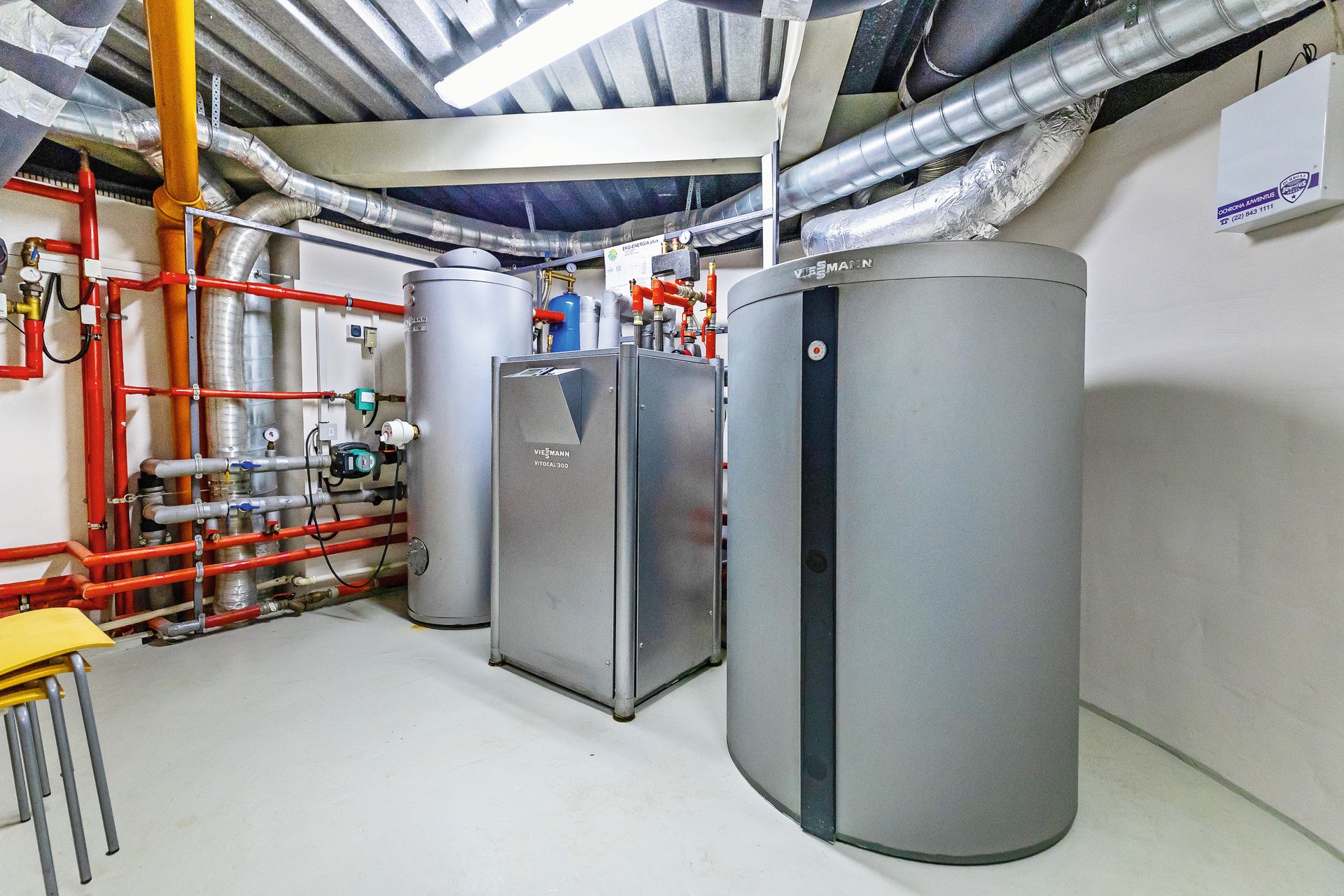
Installations in the House of the Future – What Was Done in 2003
“Heat from the ground. The source for the house is a heat pump. Heat is drawn from the ground. In the garden, boreholes approximately 30 meters deep were made, in which vertical ground probes were placed. […]
Comfortable and invisible heating. Water underfloor heating provides heat to the rooms. This type of heating was chosen primarily due to the type of heat source. The heat pump works most efficiently when powering so-called low-temperature installations. Underfloor heating is completely invisible. No elements of the installation disturb the interior design. The cabinets with manifolds, from which the underfloor heating pipes are distributed, are located in the walls of the corridor surrounding the sanitary core.
The pipes (made of polyethylene with an anti-diffusion barrier) were laid on a system insulation layer on the foundation slab and covered with a layer of screed. The floor was finished unusually for an underfloor heating system – with wood.
Effective ventilation. The house was designed with mechanical ventilation with heat recovery (a recuperator). Heat is recovered from the used, heated air removed from the rooms. The incoming, cold outside air is preheated in the recuperator before reaching the rooms. If the temperature outside is low, the incoming air is additionally heated by a water heater.
The air intake and exhaust vents are located on the roof of the technical mezzanine. Like underfloor heating, the ventilation installation is invisible. The supply ducts are routed under the floor, and the outlet grilles are located in the floor under the windows.” (mk-z) Murator 1/2003
What Didn’t Work
“We had the idea of building a house with prefabricated elements. A house whose interior could be freely modeled. These technological innovations significantly increased the cost of construction. The house would have been much cheaper if we had chosen traditional technology, without abandoning the design solutions,” says architect Maciej Miłobędzki.
The technology also proved to be a weak point of the House of the Future. It was a challenge for contractors. It was difficult to seal the building. The flat roof, although visually appealing, required attention. The green roof was quickly replaced with a layer of gravel. The lack of slopes and gutters became problematic when heavy rains fell. The interior walls remained in their original positions, although the age and needs of the residents changed.
Finally, the size of the house was also reevaluated.
“The children grew up and moved out,” says Mr. Sławomir. “The space that once teemed with life began to feel empty. We wanted to have large houses, reacting to the austerity of socialism. We didn’t feel about what would happen in a few decades. Today, I recognize that it’s better to have a house of 50 square meters with a well-designed space than 300 square meters that becomes a burden at a certain point in life.”
however, the balance sheet for the House of the Future is positive.
“For 22 years, this house has been part of our lives and has brought joy. Mr. Sławomir has one final reflection: “The House of the Future is better understood after all these years than it was when it was built. When it was being built, the steel skeleton, glazed walls, and lack of a traditional roof aroused surprise and concern. It seemed unstable, cold, and alien to people.”
Today, similar architecturally designed homes stand on every modern estate. The House of the Future has become the home of the present.
A New Chapter for the House of the Future
The story of this house has another chapter. After years of living there, the owner decided to sell it.
Mr. Sławomir notes: “Paradoxically, it’s more difficult to sell a house that is unique, rather than an ordinary one with a pitched roof. The real estate market doesn’t like originals. Choszczówka, despite its charm, is not perceived as an exclusive location, and the unusual construction deters conservative buyers.”
A house that would have sold quickly and for a high price in Konstancin had to wait for a buyer here. A buyer has been found, and when this issue of “Murator” reaches readers, someone else will be writing a new chapter in the history of the House of the Future.
What Will Happen in the Next 24 Years?
Time for a conclusion. What was technologically innovative in the building’s construction turned out to be an unnecessary experiment. The heat pump was a visionary choice, and today it’s a triumphant heating source. And generally? The ease of connecting with nature and simple, natural solutions have triumphed over technology. The future is a constant return to nature.
Murator Debate: Houses for Today, Tomorrow and the Day After Tomorrow