
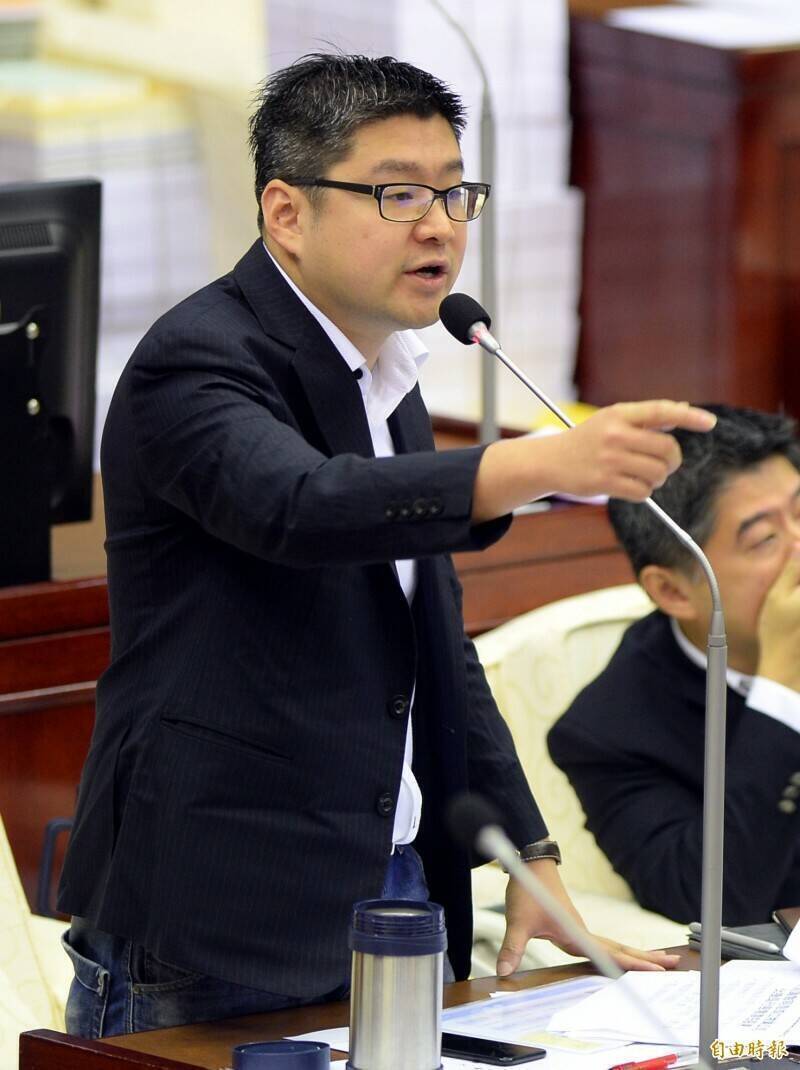
DPP Weighs Nominating Shen Boyang for Taipei Mayoral Race Against Jiang Wan-an
The Democratic Progressive Party (DPP) is reportedly considering nominating legislator Shen Boyang to challenge incumbent Mayor Jiang Wan-an in the 2026 Taipei mayoral election. The move signals a strategic pivot as the party attempts to break the Kuomintang’s (KMT) long-standing stronghold in the capital.
Shen, widely known as “Puma,” is regarded by some party insiders as a high-impact candidate. According to reports, his strength lies in his “explosive power” and sharp discourse skills, which supporters believe can effectively counter Jiang Wan-an’s appeal. Strategists suggest that Shen could first stabilize the party’s base by consolidating the “Taiwanese faction” before attempting to expand his reach to a broader electorate.
However, the potential nomination has sparked intense debate within and outside the party. Some critics have been blunt about the risks, with Xu Hung-ting suggesting that such a move would be akin to “sending a suicide bomber” and effectively giving up on winning the seat. Other observers have questioned if the party is simply deploying “cannon fodder” into the race.
The challenge for Shen is not just political, but structural. An anonymous DPP Taipei city councilor noted that the city’s electoral map remains heavily “Blue,” with KMT support far outweighing the DPP’s. The councilor warned that Shen’s history as a target of the Chinese Communist Party (CCP) could be weaponized, leading to “group attacks” from a combined Blue-White coalition. While Shen’s academic credentials and eloquence are seen as advantages over Jiang, the councilor emphasized that these may not be enough to overcome the existing partisan divide.
Analysis from the Facebook page “Volume See Politics” suggests that for Shen to be viable, he must undergo three critical transformations. First, he must evolve from an “issue fighter” specializing in national security and cognitive warfare into a credible administrator capable of managing city infrastructure, such as traffic, social housing, and urban renewal. Second, he needs to translate complex civil defense policies into “daily language” that resonates with the average resident. Finally, he must transition from an individual political combatant into a figure who can absorb the broader anxieties of the DPP regarding the capital and the 2028 general election layout.
Despite the controversy, some argue that the DPP cannot afford to abandon its right to compete for the capital. The internal debate continues as others weigh in on whether different candidates, such as Wang Shih-chien, would be more or less detrimental to the party’s prospects, with some claiming certain nominations could be a “misfortune” for Taiwan.
The final decision on the Taipei mayoral candidate rests with the DPP’s Selection Committee, which is scheduled to meet on April 7, 2026. The official nominee will eventually be announced by Party Chairman Lai Ching-te.
The move underscores the high stakes of the 2026 local elections, as the DPP seeks a candidate who can balance ideological strength with the pragmatic requirements of governing Taiwan’s most populous city.
