
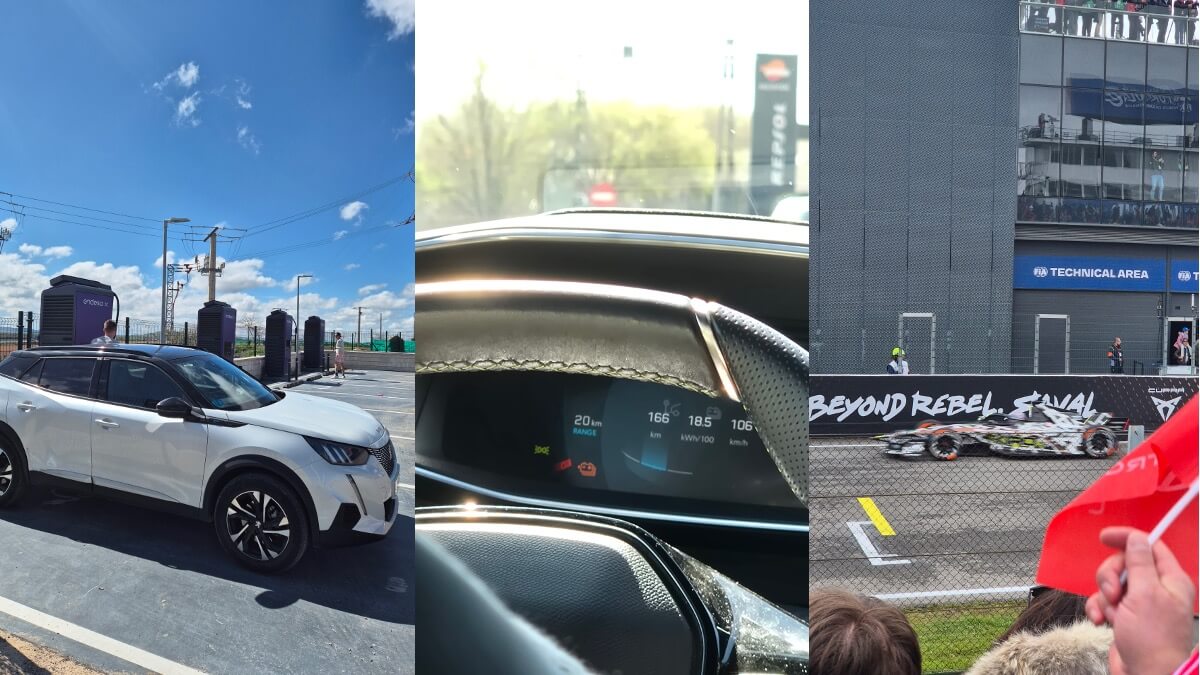
1000+ km ar “viduvēju” elektroauto ārzemēs, lai piedzīvotu elektriskā autosporta svētkus – Formula E
The evolution of electric vehicle (EV) infrastructure across Europe is increasingly characterized by seamless integration, transforming long-distance travel from a complex logistical challenge into a routine experience. A recent journey from Malaga to Madrid for the Formula E event underscores this shift in market maturity and the normalization of EV adoption.
Infrastructure Maturity and the User Experience
The journey, which spanned over 1,000 kilometers round-trip, was conducted using a Peugeot e-2008. Positioned as a mid-range electric vehicle, the car’s performance over the distance highlights a significant transition in how consumers interact with charging networks. The trip from Malaga to Madrid covered more than 500 kilometers each way, taking approximately 5.5 hours per leg—a duration slightly extended due to navigational errors.

The experience suggests that traveling long distances in Europe via EV has develop into “boringly simple.” This indicates that the prerequisite for extensive pre-planning—which previously involved managing various maps, reserve plans, and the installation of numerous registration applications—has largely vanished. The ability to navigate unfamiliar territories without these hurdles reflects a maturing ecosystem that supports a wider array of vehicle specifications.
Vehicle Performance in a Consumer Context
While the Peugeot e-2008 is described as a comfortable vehicle rather than a class leader in terms of agility, its utility in this scenario demonstrates the viability of mid-market EVs for intercity travel. The ease of the trip serves as a practical case study in how current EV technology and supporting infrastructure have reached a level of stability that removes traditional barriers to long-distance adoption.
This shift toward effortless EV travel provides a stark contrast to the high-performance environment of Formula E, yet both highlight the rapid progression of electric mobility. As infrastructure continues to standardize across the continent, the reliance on specialized planning is being replaced by a streamlined, user-centric experience, reinforcing the economic viability of electric transit for the general consumer.
