
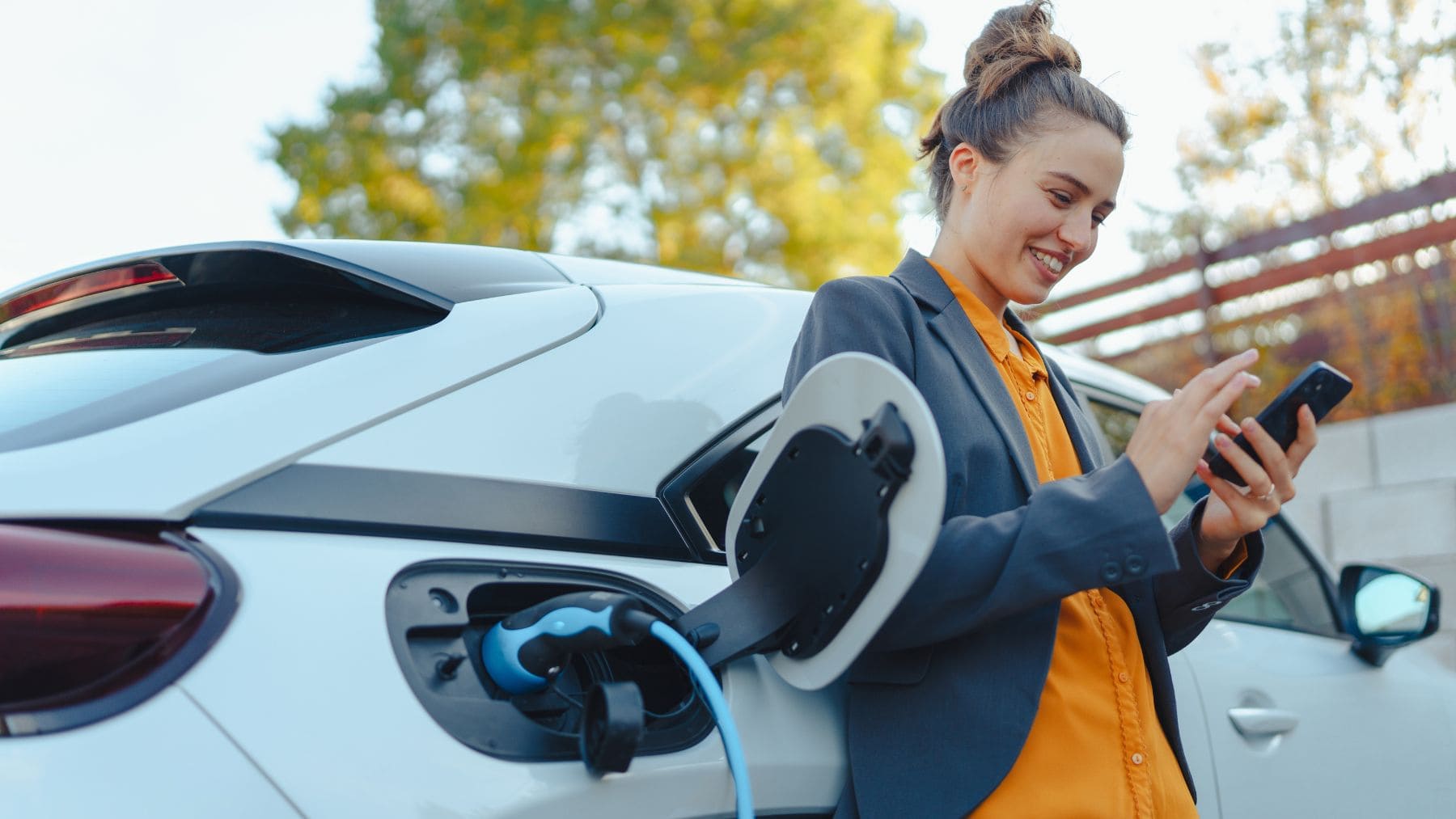
The shift towards electric vehicles is progressing, albeit perhaps more slowly than anticipated by European institutions and governments. Driven by concerns over pollution from traditional combustion engine vehicles, the transition is seeing a divided response, with some embracing the change from an environmental perspective and others reluctantly accepting it. However, a common sentiment exists: many believe that driving traditional combustion engine vehicles was a more engaging and authentic experience, even as electric driving, though improving, is often perceived as simply a means of transportation.
A key challenge for electric mobility, despite ongoing improvements, remains range and charging time. This has led to a surge in popularity of hybrid vehicles, which leverage gasoline engines to maintain a range comparable to conventional cars and allow for quick refueling. While fully electric options are increasing their range, they still offer fewer kilometers per charge and require careful planning of charging stops during trips, a process significantly slower than filling a gasoline tank.
Beyond range and charging speed, another significant issue facing electric vehicle owners – and one that receives less attention – lies in the fragmented charging infrastructure. Different charging providers operate disparate systems, adding complexity to the charging process.
Too Many Apps to Charge
Increasing numbers of electric vehicle owners are voicing frustration with the complexities of public charging. Those unfamiliar with the process often assume charging is as simple as plugging in, similar to a gas station experience, and paying based on usage. However, the reality is often more complicated.
In Spain and across Europe, the charging infrastructure is managed by numerous companies, each with its own mobile application, registration process, and payment system. Drivers need to download and maintain a multitude of apps to access various charging points, overloading their smartphones with applications from electric networks, apps, converted gas stations, mobility platforms, and specialized companies. This lack of standardization makes the process cumbersome and unintuitive.
The problem is particularly acute during travel, as daily charging is often handled at home, and public charging is limited to familiar locations. However, when traveling, drivers are forced to rely on unfamiliar stations, requiring them to download new apps, create accounts, enter payment information, and validate registration – a process that can take five to ten minutes, even for tech-savvy users.
Frustration for the Driver
The varying quality and functionality of these apps further exacerbate the issue, with older apps offering less clarity on charger types – a critical piece of information. The situation can be particularly stressful when time is of the essence, potentially leading to significant frustration.
All-in-One App Solutions
Several platforms are attempting to address these challenges by aggregating chargers into a single application. These apps aim to display all available and compatible charging points. However, as they are not official providers, the information they provide may not always be up-to-date or reliable, listing out-of-service stations or those incompatible with certain vehicles. These convenience apps typically charge a surcharge for their service.
A common request from the EV community is for charging stations to operate similarly to low-cost gas stations, where drivers insert a card, pay a fixed amount (often exceeding the actual charge), and receive a refund for any unused funds. This model would also allow stations to maintain their own applications with attractive discounts and promotions, mirroring the loyalty programs offered by traditional gas stations.
Currently, EV owners must fill their smartphones with numerous applications to charge at public stations, adding time and complexity to the process.
