
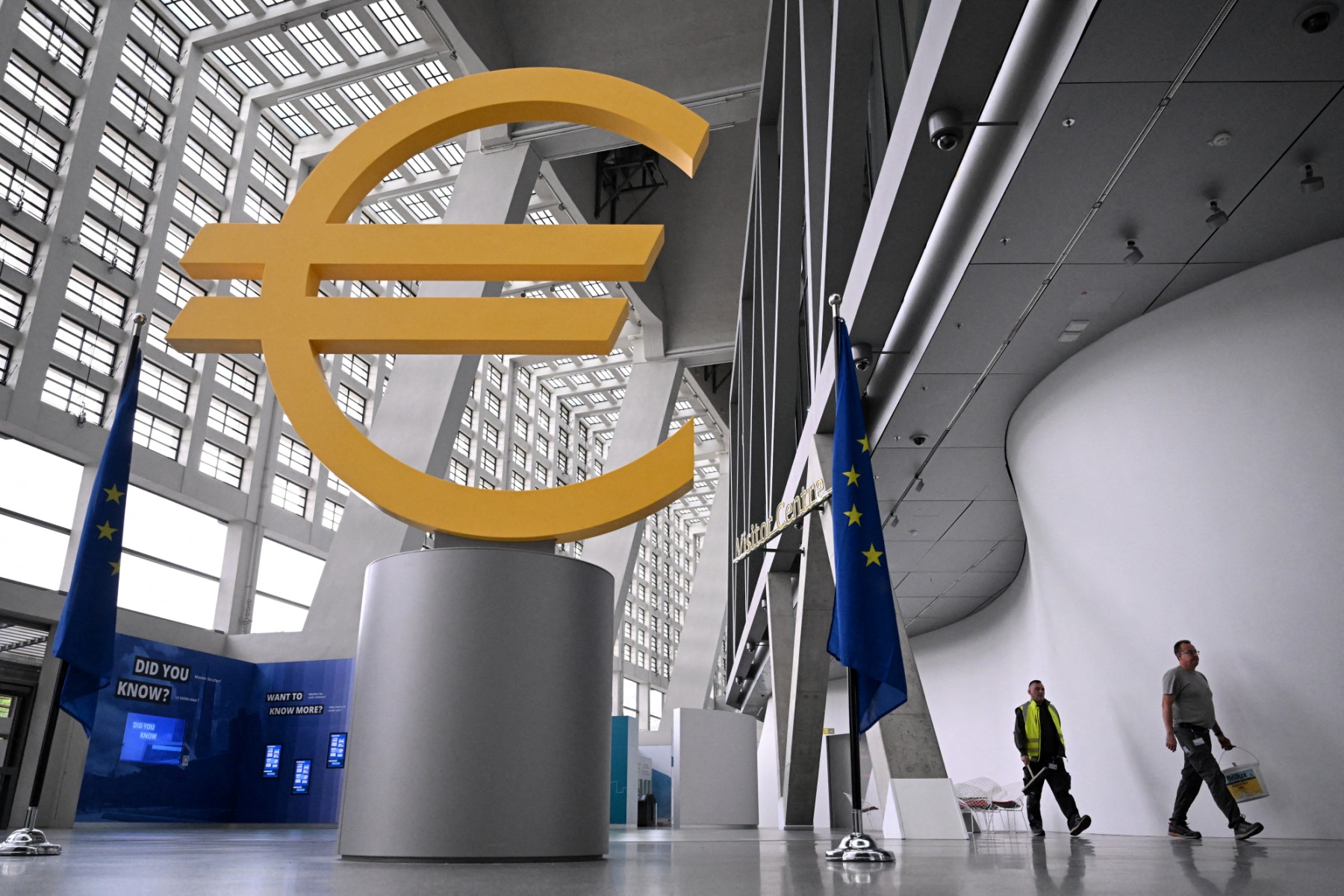
Energy Shocks May Force ECB Into New Tightening Cycle, QNB Warns
The European Central Bank (ECB) may be forced to pivot its monetary policy in response to external shocks in the energy sector, according to a recent report by Qatar National Bank (QNB). The financial institution warned that escalating energy prices could trigger a resurgence of inflation and stifle economic growth, placing the central bank in a tricky policy dilemma.
According to the report, the next four to six weeks will be critical in shaping the eurozone’s macroeconomic trajectory. Market participants are closely monitoring energy market data and inflation trends, which will provide the necessary indicators for the ECB’s next moves. The report suggests that if energy prices remain elevated for an extended period, the ECB may have to initiate a new cycle of monetary tightening, despite previous efforts that successfully brought inflation back toward its 2% target.
This potential shift comes after a period of relative stabilization. Since June 2024, the ECB had been gradually lowering the deposit rate from a peak of 4% down to 2%. This 2% level was considered a neutral range, designed to neither stimulate nor restrict economic activity. However, QNB indicates that current energy pressures could compel the ECB to raise the deposit rate to approximately 2.75% by the end of 2026—a level that would actively restrict economic activity.
The report underscores a significant shift in expectations. At the start of 2026, forecasts predicted a stable monetary environment with inflation hovering around 2% and economic growth projected at roughly 1.5%. However, developments in energy markets since March 2026 have forced a reassessment of these estimates, highlighting the ongoing vulnerability of the eurozone to external supply shocks.
The current volatility follows one of the most aggressive rate-hiking cycles in the ECB’s history. Over the past two years, the central bank pushed deposit rates to 4% to combat the economic fallout from the COVID-19 pandemic and the Russia-Ukraine war, both of which drove a sharp increase in the cost of commodities and energy. The potential for a new tightening phase reflects the persistent challenge of balancing price stability with economic expansion.
As the ECB navigates this complex monetary path, the focus remains on whether energy-driven inflation will become entrenched, potentially undoing the progress made in stabilizing the eurozone’s economy over the last two years.
